

Understanding Africa Travel Disruptions on Safari
Africa is one of the most dynamic and rewarding regions to explore. From national parks to coastlines, mountains, islands, and vibrant cities, every destination promises adventure. Yet Africa travel disruptions do occur, often caused by weather, transport delays, power cuts, border queues, or unexpected events. These challenges rarely pose danger but can affect movement and planning.
Preparing for these situations allows you to remain calm, adjust intelligently, and continue your trip with confidence. This guide explains the most common disruptions and how to plan for them effectively.

How TravelSafe SOS Supports You When Plans Change
Travel disruptions can feel overwhelming when you are far from home, but having the right support system makes every situation easier to manage. TravelSafe SOS acts as a stabilising tool during unpredictable moments by giving travellers immediate access to human operators who can guide you through delays, re-routing, or stalled transport plans. The app provides instant itinerary awareness, allows you to log movement changes, and keeps your location visible to the control centre even when you are in remote areas or offline conditions. This ensures you always have practical advice, updated information, and real time safety oversight no matter how quickly circumstances shift.
Weather Related Travel Disruptions
Weather across Africa changes quickly, especially during rainy seasons. Heavy rain, wind, dust storms, and flooding can affect flights, boat transfers, and long-distance road travel.
Rainy season disruptions include:
• washed-out or flooded bridges,
• flight delays or cancellations,
• muddy and impassable off-road routes,
• river levels rising, affecting boat access,
• temporary closures of national parks.
Travelers should research seasonal patterns and confirm route conditions with lodges, especially in destinations like the Okavango Delta, South Luangwa, Masai Mara, or northern Tanzania.

Flight and Transport Delays
International flights usually run smoothly, but regional flights may be affected by weather or operational issues. Airlines may reschedule quickly based on visibility, runway conditions, or maintenance.
To avoid complications:
• avoid tight connections,
• arrive early for domestic departures,
• allow buffer days between major itinerary segments,
• keep hotel and tour operator contacts available,
• let your operator manage rebooking if needed.
Road travel can also be unpredictable due to heavy traffic, livestock crossings, checkpoints, roadworks, or accidents blocking highways. Build realistic travel times into your plans.
Border Delays Across East and Southern Africa
Many travelers combine destinations such as Kenya and Tanzania, Botswana and Zambia, or South Africa and Mozambique. While borders are generally efficient, delays can occur due to traffic peaks, public events, staff shortages, or system outages.
Carry printed copies of:
• passports and visas,
• flight itineraries,
• accommodation confirmations,
• operator contact details.
Printed documents speed processing when digital systems go offline.

Public Transport Strikes and Public Gatherings
Occasional transport strikes occur in cities such as Cape Town, Nairobi, Lusaka, and Dar es Salaam. These may affect taxis, buses, or local airport services. Public gatherings or protests may cause short road closures or traffic diversions.
Travelers should:
• stay away from protest areas,
• monitor advisories,
• use licensed private transport,
• ask guides for updated safe routes.

Power Cuts and Network Outages
Load shedding and temporary electricity outages are common in several countries. Most hotels and lodges have generators, but outages may disrupt:
• mobile data and signal,
• card payment systems,
• digital booking access,
• lighting around public areas.
Travelers should carry fully charged power banks, save maps offline, and keep cash available for situations where electronic systems temporarily fail.
Wildlife Related Delays
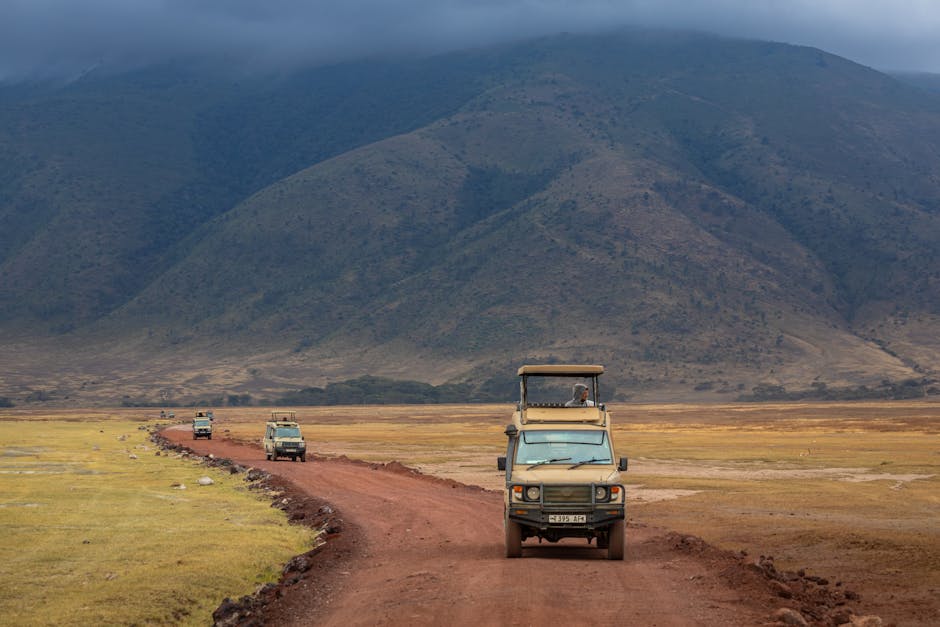
Safari travel comes with unpredictability. Animals often influence timing, route choices, and traffic flow.
Common wildlife delays include:
• elephants blocking roads,
• lions resting on tracks,
• buffalo herds slowing movement,
• giraffes crossing roadways,
• hippos or crocodiles near river crossings.
These delays are usually safe and often become memorable encounters when guided responsibly.
Preparing Effectively Before Traveling
Smart preparation reduces almost all Africa travel disruptions. Travelers should:
• install a trusted travel safety app that works offline and provides real time support,
• incorporate flexibility into schedules,
• share movement plans with operators,
• store emergency numbers offline,
• check weather forecasts daily,
• avoid night driving,
• carry snacks, water, and essential medication for long drives,
• understand local transport alternatives.
TravelSafe SOS strengthens every one of these precautions by giving travellers real time guidance, movement tracking, and instant access to a 24 hour control centre if plans change unexpectedly. The app bridges gaps caused by delays, low signal and travelling offline, or disrupted transport by keeping you informed, visible, and connected throughout your entire journey.
Staying Calm During Disruptions
Most disruptions in Africa are minor and manageable. Keeping calm helps you make clearer decisions, communicate effectively, and adapt safely. Local guides and operators handle these situations regularly and provide reliable advice.
Stay Prepared With Real Time Support Across Africa
Travel disruptions in Africa are usually manageable, but having the right support system transforms them from stressful moments into simple adjustments. TravelSafe SOS keeps you informed and protected with real time alerts, offline safety tools, location awareness, and immediate access to trained responders during weather delays, road blockages, airport changes, or communication outages.
Download TravelSafe SOS at https://travelsafesos.com/download-app/ before your departure so the app can guide you through weather delays, road disruptions, or schedule changes as they happen. It provides offline safety tools, stored emergency contacts, and location awareness that keeps you connected even when networks fail. With https://travelsafesos.com/download-app/ installed, you begin your trip with the reassurance that trained responders are always one tap away.
Africa remains an extraordinary place to explore. Travel disruptions are normal and rarely dangerous, especially when approached with awareness and preparation. With flexible planning, good communication, and access to reliable support, you can navigate challenges confidently and enjoy every moment of your journey.


FAQS Africa Travel Disruptions Safety Guide 2026
What are the most common Africa travel disruptions tourists should expect?
The most common Africa travel disruptions include weather-related delays, domestic flight cancellations, temporary power cuts, mobile network outages, border congestion, and road blockages caused by wildlife or traffic incidents. These disruptions vary by region and season. Most are manageable with preparation, flexible planning, and communication with reputable tour operators who understand how to reroute safely and efficiently.
How can I avoid delays when traveling during Africa’s rainy season?
To reduce delays during rainy periods, monitor weather forecasts daily, choose reliable vehicles for off-road travel, avoid river crossings after storms, and ask lodges for updates on track conditions. Heavy rain can temporarily close certain routes or cause rivers to rise quickly, so flexibility is essential. Travelers should always keep alternative travel times or routes in mind.
Are domestic and regional flights across Africa reliable for multi-country itineraries?
Domestic and regional flights across Africa are generally reliable, especially between major hubs. However, smaller aircraft and rural airstrips may be more affected by weather or visibility issues. Travelers planning multi-country trips should allow buffer time between flights, avoid tight connections, and keep operators informed. With proper planning, disruptions remain minor.
What should I do if my flight is cancelled while traveling in Africa?
If your flight is cancelled, contact your tour operator immediately, remain at the airport for updates, and request rebooking on the next available flight. Operators often resolve issues faster than travelers dealing directly with airlines. Keep accommodation contacts and transport arrangements flexible so plans can shift as required during Africa travel disruptions.
How do load shedding and power cuts affect tourists visiting Africa?
Power cuts can temporarily affect mobile data, card payments, lighting, and access to online information. Most hotels and lodges have backup generators, but travelers should still carry power banks, save maps offline, and keep some cash available. These power interruptions rarely affect safety and are manageable with simple preparation.
How can travelers navigate safely if mobile networks go down during their trip?
During network outages, travelers should rely on offline resources such as downloaded maps, printed directions, and pre-arranged meeting points. Guides and safari operators often use radios or satellite devices to maintain communication. Staying in well-traveled areas and avoiding route changes without confirmation improves safety.
What should I do if wildlife blocks the road during a safari or game drive?
If wildlife blocks the road, remain inside the vehicle, keep a safe distance, avoid flashing lights or loud noises, and wait for animals to move naturally. Guides understand animal behavior and will choose the safest response. These delays are common and often result in memorable sightings, adding to the safari experience while ensuring traveler safety.