
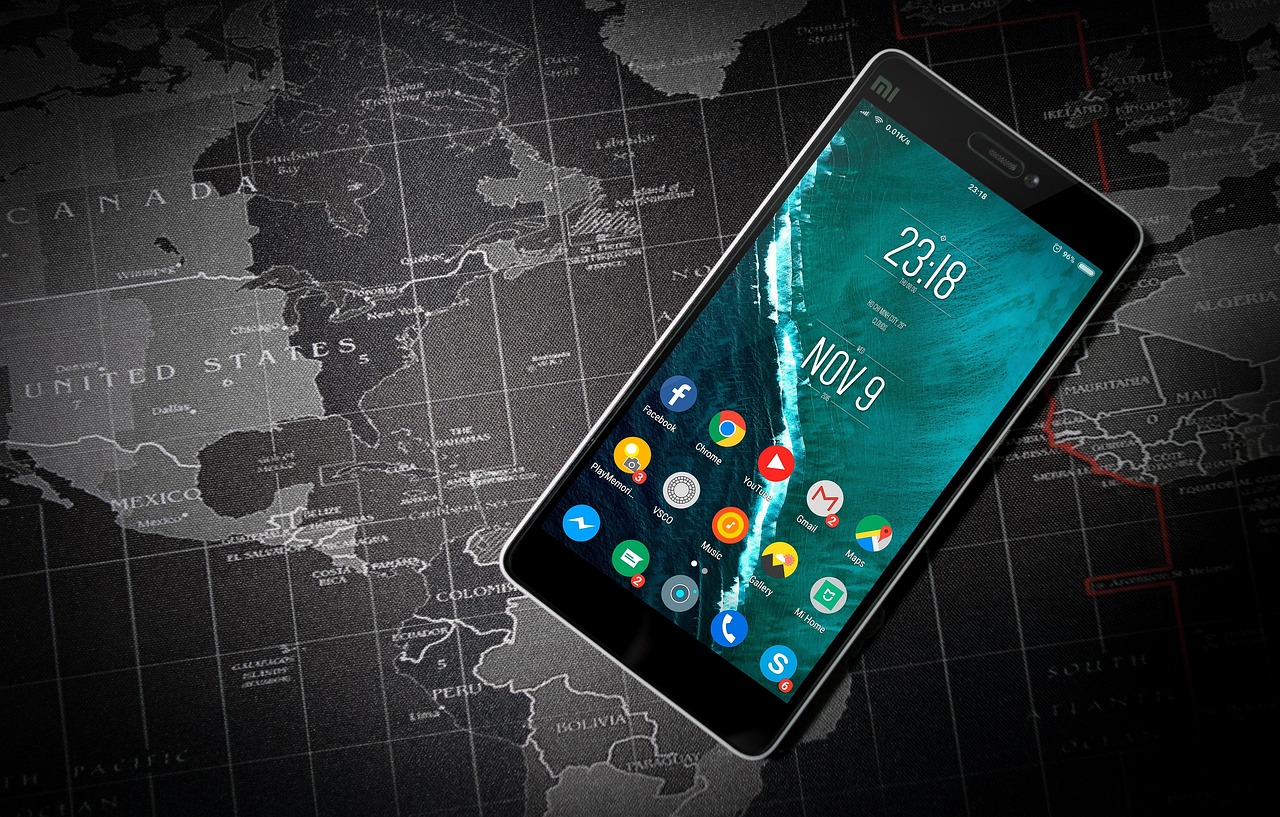
How TravelSafe SOS Provides Real Time Alerts Across Africa
TravelSafe SOS, available at https://travelsafesos.com/, delivers location based safety alerts designed specifically for African travel. When travellers enter new regions, the app monitors changing conditions such as civil unrest, severe weather, city risk, wildlife issues, road closures, maritime hazards, and environmental disruptions. When something shifts, the control center pushes alerts immediately. Travellers can see how the system works and what we do . These alerts create a preventative safety layer that reduces exposure to risk during safaris, coastal holidays, urban stays, and self drive routes.
Yet like any major travel destination, South Africa requires awareness, smart planning, and clear safety strategies. This guide explains exactly how solo women can navigate the country confidently—understanding where to go, what to avoid, and how to stay supported at all times.
This guide explains how African tour operators can significantly reduce liability through structured safety systems, digital support tools, improved communication, and proactive risk management.

Why Travellers Need Real Time Alerts in Africa
Africa is a vast, diverse continent where conditions change quickly. Weather can shift within minutes on the coast. Wildlife can move unexpectedly across unfenced areas. Traffic incidents can block major highways. Local protests can arise without warning. Remote roads can flood after sudden rain. Boat transfers may be cancelled by offshore winds.
Unlike many destinations, travellers in Africa regularly move through regions where infrastructure varies. Real time alerts ensure travellers are informed early enough to make better decisions. These alerts help travellers reroute, delay movement, or adjust plans, preventing minor issues from becoming serious emergencies.

Types of Travel Alerts Used in 2026
Travel alerts in Africa now fall into several categories:
- Environmental Alerts
These include sudden storms, high winds, extreme heat warnings, flooding, and dangerous sea conditions. Coastal travellers benefit from marine alerts that indicate unsafe swimming, tides, dangerous surf, or cancelled boat transfers.
- City and Neighbourhood Alerts
Cities such as Johannesburg, Nairobi, Maputo, Dar es Salaam, Cape Town, Kigali, and Kampala experience fluctuating urban dynamics. Alerts help travellers avoid unsafe areas, recognise pickpocketing hotspots, or steer clear of areas with protests or congestion.
- Wildlife and Safari Alerts
In wildlife regions, alerts warn travellers about dangerous animal movements, blocked routes, changed park conditions, or nearby incidents. These alerts are especially useful for self drivers and lodge transfers.
- Road and Transport Alerts
Long distance roads in Namibia, Botswana, Zambia, and South Africa often experience closures, roadworks, or low visibility. Real time road alerts allow travellers to avoid long delays or dangerous routes.
- Health and Environmental Quality Alerts
These may include smoke from seasonal burning, heatwaves, air quality issues, or water contamination notifications.
- Border and Transit Alerts
Cross border routes between South Africa and Mozambique, Tanzania and Kenya, Uganda and Rwanda, or Zimbabwe and Botswana may experience delays or changes in operating hours.
How Real Time Alerts Prevent Emergencies
Real time alerts change travel behaviour at the exact moment it matters most. Instead of discovering a risk after entering it, travellers can avoid it entirely. Alerts may instruct travellers to delay departure, choose a safer route, avoid a certain street, or relocate to a more populated area.
This early warning system removes uncertainty during African travel. Prevention is the strongest form of safety, and real time alerts give travellers the information needed to make confident choices.

Why Traditional Travel Advice Is No Longer Enough
Government travel advisories are useful, but they are broad, slow to update, and not location specific. Travellers require localised, on the ground intelligence that changes by the hour. This is especially important in Africa where city dynamics, weather patterns, and rural conditions shift quickly. Generic advice cannot match the immediacy of a real time alerting system.
How Alerts Support Self Drive Travellers
Self drive holidays in South Africa, Namibia, Botswana, Tanzania, and Kenya continue to grow in popularity. Alerts help self drivers avoid unsafe roads, recognise accident zones, anticipate weather risks, and plan safer fuel and rest stops. Real time updates ensure travellers never drive blind, especially in remote regions.
Alerts for Coastal and Island Travel
Travellers visiting Mozambique, Zanzibar, Kenya, or Tanzania benefit from marine and coastal alerts. Weather changes can influence tides, surf conditions, and boat transfers. The ability to receive instant updates prevents maritime risk and ensures travellers only move when conditions are safe.
How TravelSafe SOS Combines Alerts with Human Response
Alerting alone is not enough. TravelSafe SOS combines alerts with immediate SOS response. If travellers feel unsafe or affected by an alerted incident, they can press SOS and receive support from the 24 hour control center. Human operators can confirm whether a risk is escalating, provide advice, assess the situation, and dispatch appropriate responders. This fusion of technology and human expertise sets TravelSafe SOS apart.
FAQs africa travel alerts 2026
Why are African travel alerts important for 2026
Africa is a dynamic continent where environments, traffic conditions, weather, and city safety can change quickly. Travellers exploring safaris, beaches, national parks, or cities need current information to make safe decisions. Travel alerts provide real time updates that match exactly where a traveller is located. These alerts warn about changing conditions such as protests, storms, road closures, or wildlife risks. Without alerts, travellers may unknowingly enter unsafe environments. Real time notifications improve situational awareness and reduce the chance of emergencies. In 2026, alerts are essential because tourism is expanding into more remote areas where traditional information sources cannot update quickly enough. Alerts ensure travellers remain informed and protected at all times.
How does TravelSafe SOS deliver real time alerts
TravelSafe SOS uses a combination of regional intelligence, GPS technology, and a 24 hour control center to deliver alerts. When a traveller enters a new area, the system checks relevant risk factors such as weather, city activity, environmental hazards, and local conditions. If developments occur, the control center issues alerts instantly. These messages are location based, meaning travellers receive only information relevant to their surroundings. The system also tracks changing conditions and pushes updates when situations escalate or improve. This creates a proactive safety environment where travellers can act early and avoid risk. The alerts work across 17 countries in Southern and East Africa.
Are travel alerts accurate enough for African destinations
Yes. Travel alerts used by platforms like TravelSafe SOS are highly accurate because they come from region specific intelligence networks. Instead of relying on broad government advisories, these alerts are curated for African environments where context matters. Local partners, weather systems, transport networks, and safety teams contribute to the information. Alerts are verified by human operators who understand African travel patterns. This human validation ensures that alerts are relevant, actionable, and accurate. Travellers benefit from timely insights that match real conditions, not assumptions. These alerts are particularly effective for safaris, city travel, coastal trips, and self drive journeys.
What types of risks can travel alerts help me avoid
Travel alerts help travellers avoid a wide range of risks including protests, crime hotspots, weather disruptions, bad road conditions, wildlife movements, marine hazards, and transport delays. Alerts may also warn about environmental concerns such as flooding, extreme heat, smoke from burning fields, or sudden storms. In coastal and island regions, alerts notify travellers when tides or winds make boat transfers unsafe. Safari alerts may warn about wildlife activity near unfenced areas. By receiving these updates early, travellers can adjust plans and avoid the source of risk. This proactive approach keeps travellers out of harm’s way and reduces emergency incidents.
How do alerts help during self drive trips
Self drive travel in Africa can take travellers through remote highways, desert roads, wildlife zones, and long stretches without service stations. Travel alerts notify drivers about dangerous road conditions, weather systems, closures, detours, and high risk areas. These updates make long distance driving safer and more predictable. If conditions become unsafe, drivers can choose alternative routes or delay travel. Alerts also help drivers avoid travelling at night in regions where visibility and safety drop significantly. With real time updates, self drivers move confidently and reduce exposure to risk.
Can travel alerts prevent emergencies from happening
Travel alerts are one of the most effective ways to prevent emergencies because they allow travellers to take action before danger escalates. By alerting travellers early, the system helps them adjust routes, delay movement, avoid crowded areas, or choose safer environments. Prevention is the strongest form of safety. Instead of responding to an emergency, alerts help travellers avoid entering a situation that could become one. Combined with a safety app that provides human response when needed, alerts create a layered protection system for travellers exploring Africa in 2026.
Do alerts work across multiple African countries
Yes. TravelSafe SOS provides alerts across 17 African countries without interruption. Travellers often cross borders during safaris or beach and safari combinations. Traditional systems do not handle these transitions well, but TravelSafe SOS maintains consistent coverage. Alerts follow travellers as they move, ensuring they always have updated information. Whether exploring South Africa’s national parks, driving through Namibia’s deserts, visiting Mozambique’s islands, or exploring Kenya’s safari routes, travellers receive continuous safety intelligence. This borderless approach makes African travel far safer and more predictable.