
Understanding Traveller Health Challenges Across Africa
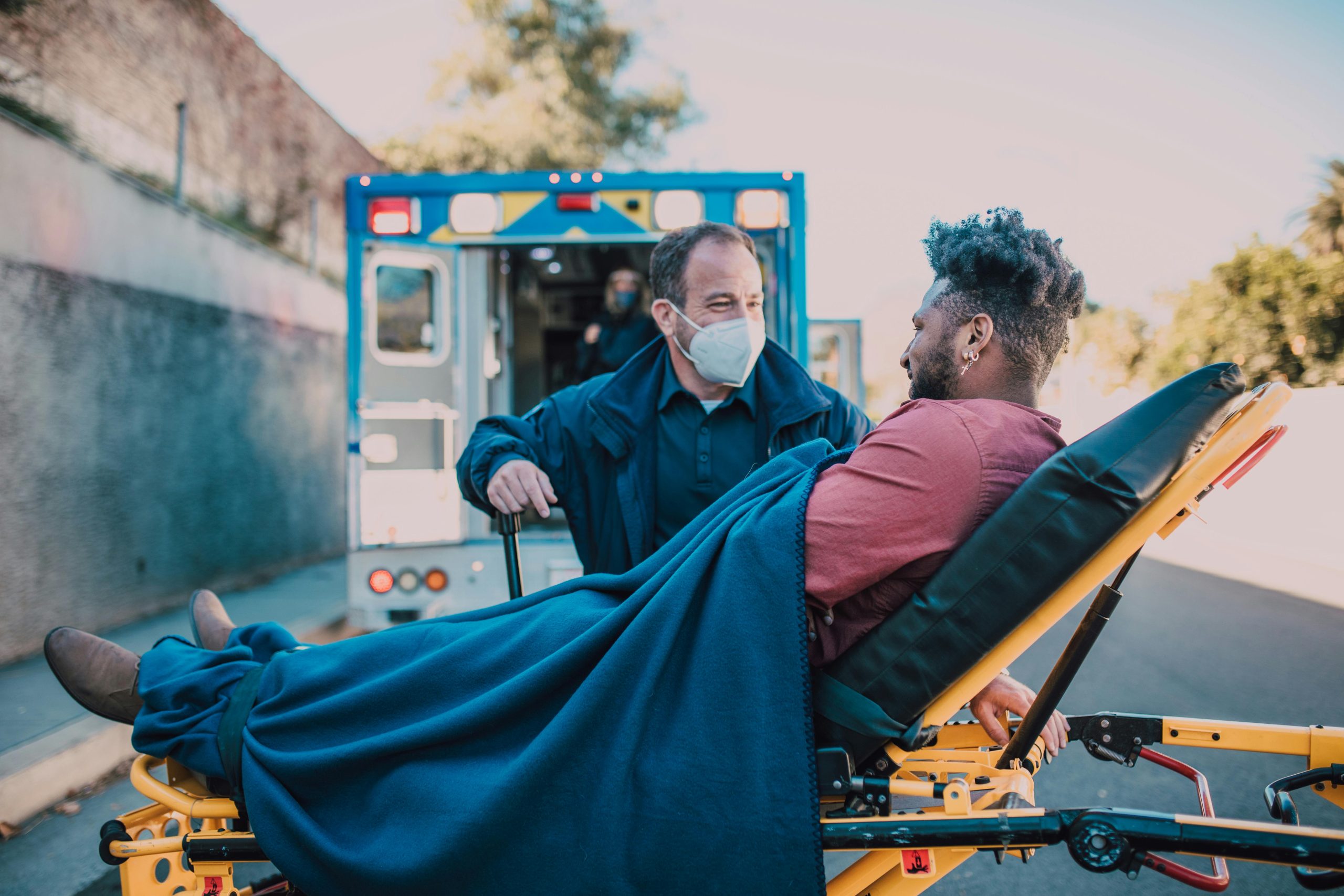
Health and safety remain top priorities for travellers visiting Southern and East Africa. While most travellers enjoy their trips without medical issues, understanding Africa Health Risks 2026 helps visitors stay informed, prepared, and confident. Environmental conditions, tropical climates, long travel distances, and varying access to clinics all influence health outcomes.
This guide outlines the main health risks travellers may encounter, how to prevent them, and how real time support ensures rapid response when something goes wrong.
Why Health Awareness Matters in 2026
Africa’s most popular destinations, including South Africa, Kenya, Tanzania, Uganda, Rwanda, Namibia, Botswana, Zimbabwe, Zambia, Mozambique, and Malawi, offer world class experiences but also unique environmental conditions.
Travellers may face:
- Intense heat and dehydration
- Water or food related illness
- Mosquito borne diseases in certain regions
- Limited medical access in rural areas
- Fatigue from long road trips
- Illness during flights or overland transfers
- Unexpected allergic reactions
Being aware of these risks helps travellers make safer, more comfortable decisions throughout their trip.
Most Common Health Risks for Travellers in Africa
Dehydration and heat exhaustion are common in hot regions such as Namibia, Botswana, Malawi, Mozambique and parts of Tanzania, making regular water intake essential even when you do not feel thirsty. Stomach illness can occur due to changes in diet, water quality or food handling, so travellers should be cautious with tap water, raw foods and choose reputable places to eat. Mosquito exposure varies across Africa, and while many travellers worry about malaria, simple precautions such as repellent, long sleeves in the evening and staying in air conditioned rooms help reduce risk.
Altitude related symptoms are possible in destinations like Ethiopia, Mount Kenya and Mount Kilimanjaro, where headaches, fatigue or dizziness can occur if travellers ascend too quickly. Allergies caused by pollen, dust or local plants may affect sensitive individuals, so carrying antihistamines is useful. Sunburn is another concern, as UV levels across Africa are extremely high, making sunscreen, hats and shade breaks essential. Fatigue and jet lag from long flights or overland travel can weaken the immune system, increasing vulnerability to illness.
Understanding Medical Access in Africa
Africa’s medical system ranges from world class private hospitals in major cities to basic clinics in rural or remote locations. Travellers should understand these differences:
- Cities like Cape Town, Johannesburg, Nairobi, Dar es Salaam, Kigali, and Kampala have excellent private care.
- Safari regions often rely on nurse staffed clinics or lodge based first aid.
- Remote beaches and islands may be hours away from the nearest medical facility.
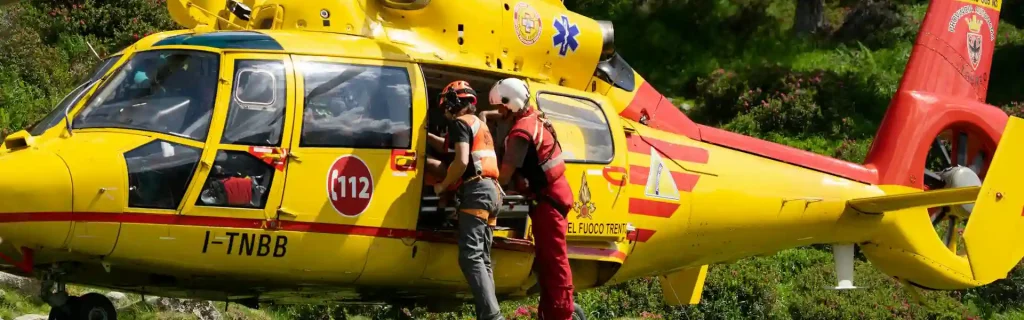
- National parks depend on rangers, guides, and emergency evacuation procedures.
Travel insurance covers costs, but only a safety platform like TravelSafe SOS coordinates immediate response.

How Health Emergencies Happen During Travel
Travellers may experience sudden illness in remote areas, including digestive issues, heat stress, allergic reactions or unexpected symptoms far from medical care. Adventure activities such as hiking, diving, quad biking, kitesurfing or wildlife viewing can also lead to minor or moderate injuries that need attention. Long drives or rough roads often cause fatigue, back pain, headaches or dehydration. Medication issues are also common, such as losing essential medication, running out while travelling or needing an emergency prescription.
How TravelSafe SOS Supports Health and Medical Safety
TravelSafe SOS improves traveller health outcomes with:
- A 24 hour control center ready to respond
- Immediate guidance during symptoms or illness
- Coordination with local clinics and private hospitals
- Assistance finding pharmacies or replacing medication
- Emergency response for serious incidents
- Offline capability for low signal zones
- Support across 17 countries in Southern and East Africa
Travellers no longer face health concerns alone, especially in unfamiliar environments.

Tips To Reduce Health Risks During African Travel
Drink water often and keep a bottle with you, since dehydration is the most common traveller issue. Choose reputable places to eat and avoid uncooked foods to reduce stomach problems. Use mosquito repellent in the evenings, sleep under nets when available and add long sleeves at dusk for extra protection. Carry a small medical kit with basic essentials so you can manage minor concerns quickly when clinics are far away.
Allow time to rest because tight schedules increase fatigue and health risks. Use TravelSafe SOS to find nearby clinics or get guidance if symptoms appear. In Southern Africa the main concerns are heat, sun exposure and long road distances. In East Africa mosquito exposure, altitude shifts and stomach sensitivity are more common. On the Indian Ocean Islands travellers face heat, sunburn, dehydration and occasional marine stings.

Your Health Safety Companion for Africa Travel
TravelSafe SOS gives travellers immediate support when illness or medical concerns arise anywhere in Southern and East Africa. Whether you experience dehydration, stomach illness, allergic reactions, malaria symptoms, or sudden health changes in remote areas, the control center guides you step by step, contacts local responders, and coordinates the correct medical pathway. With real time alerts, accurate location sharing, and rapid communication, travellers never face health risks alone.
Download TravelSafe SOS on Android or iOS to access 24 hour medical support during your African journey. The app ensures instant response when you need it and peace of mind throughout your trip.
FAQs, Traveller Health and Support
What should I do if I get sick while travelling in Africa
Contact TravelSafe SOS immediately. The control center will assess symptoms, advise next steps, and coordinate medical care if required.
Is malaria still a major risk
Risk varies by region. Many popular destinations have low malaria transmission. Repellent and common sense remain effective protection.
What if I need a doctor in a remote area
TravelSafe SOS will connect you to the nearest clinic, doctor, or nurse and coordinate transport if needed.
Can I drink tap water in Africa
Tap water is safe in some cities but not everywhere. Travellers should check local guidance or stick to bottled or filtered water.
What should I carry in a traveller medical kit
Pain relief, rehydration salts, antihistamines, plasters, disinfectant wipes, and personal medication.
How do I avoid stomach illness
Avoid raw or unwashed foods, choose reputable restaurants, and be careful with water sources.
Do I still need travel insurance if I use TravelSafe SOS
Yes. Insurance pays for medical costs while TravelSafe SOS manages the emergency, coordinates care, and provides immediate assistance.