

Understanding Beach Safety in Zanzibar
Zanzibar beach safety is often misunderstood because the destination is perceived as relaxed, low-crime, and easy to navigate. While this is largely true, the primary risks in Zanzibar are not security-related. They are environmental, and they are frequently underestimated by travellers.
Zanzibar is one of East Africa’s most popular beach destinations, known for its white sand beaches, warm Indian Ocean waters, and laid-back atmosphere. Unlike major cities, there is very little threat from crime in most resort areas. This creates a false sense of complete safety, particularly for travellers unfamiliar with coastal environments.
The reality is that Zanzibar’s risk profile is shaped by the ocean. Tides, currents, reef structures, and changing conditions introduce variables that are not always visible. These factors can turn a routine swim or beach walk into a more complex situation if not properly understood.
For most visitors, nothing goes wrong. But when incidents do occur, they are almost always linked to environmental conditions rather than external threats. Understanding Zanzibar beach safety is therefore about awareness, not avoidance.
Travellers who take the time to understand local conditions, follow basic guidance, and respect the ocean environment can enjoy Zanzibar safely and confidently.
Ocean Conditions and Tidal Risks
The single most important factor in Zanzibar beach safety is the tidal system. Zanzibar experiences significant tidal shifts, particularly along the east coast, where the ocean can retreat hundreds of metres during low tide.
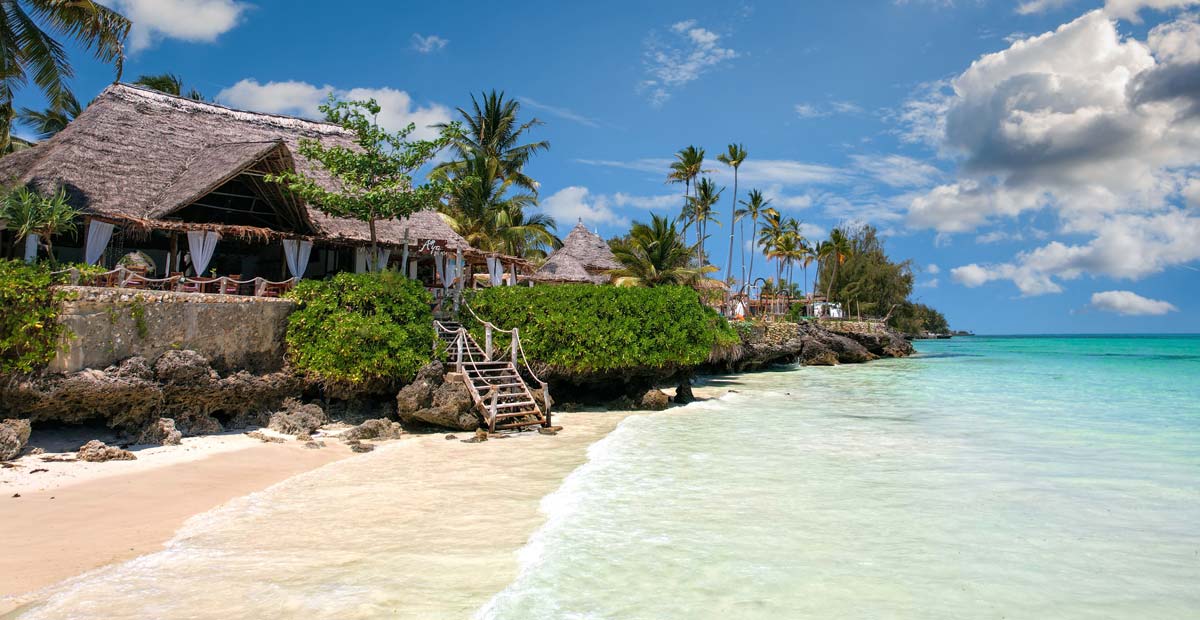
At high tide, the water is close to shore, calm, and ideal for swimming. At low tide, the same beach can become shallow, exposing coral, rocks, and sea life. This creates very different conditions within a short period of time.
Risks associated with tides include:
- Walking long distances over exposed reef without proper footwear
- Becoming disoriented as the tide returns quickly
- Stepping on sharp coral or marine organisms
- Misjudging safe swimming areas due to changing depth
Currents are another important factor. While Zanzibar does not have the same reputation for strong rip currents as some global beach destinations, localised currents can still occur, particularly around reef breaks and channels.
Travellers should:
- Check tide times daily through accommodation or local guides
- Swim in designated areas where conditions are known
- Avoid venturing too far from shore, particularly on unfamiliar beaches
- Be cautious during changing tides when water movement increases
Understanding tides is not optional in Zanzibar. It is central to safe beach use.

Water Activities and Exposure
Zanzibar offers a wide range of water-based activities, including snorkelling, diving, dhow excursions, kite surfing, and deep-sea fishing. These experiences are a major part of the destination’s appeal, but they also introduce additional exposure to environmental risk.
Snorkelling and diving are generally safe when conducted through reputable operators. These providers understand local reef systems, currents, and safe entry points. However, independent or unstructured activities increase risk significantly.
Common issues include:
- Entering the water in unsuitable conditions
- Underestimating current strength when snorkelling
- Fatigue during extended swimming
- Poor visibility leading to disorientation
Dhow trips and boat excursions are typically well managed, but safety depends on the operator. Travellers should ensure that:
- Life jackets are available and used where appropriate
- Boats are not overloaded
- Weather conditions are suitable before departure
Kite surfing, particularly on the east coast, introduces another layer of risk due to wind conditions and open water exposure. While this is a controlled activity when supervised, inexperienced participants should always use professional instruction.
The key principle across all activities is simple. Use structured, reputable providers and avoid improvising in unfamiliar environments.
Local Environment and Movement
While Zanzibar beach safety is primarily environmental, movement around the island still requires awareness. This is particularly relevant when transitioning between beaches, villages, and accommodation.
Most resort areas are safe and relaxed, but travellers should be mindful of:
- Walking long distances along isolated beaches
- Moving between locations after dark without transport
- Engaging with informal guides or unsolicited offers
- Leaving valuables unattended on the beach
Beach vendors and local interactions are generally friendly and part of the Zanzibar experience. However, persistent selling can sometimes become uncomfortable. Maintaining polite but firm boundaries is the best approach.
Another consideration is infrastructure. Zanzibar is not a highly urbanised destination, and facilities can be limited outside main resort areas. This includes:
- Limited lighting on roads and paths
- Variable transport availability
- Reduced access to immediate assistance in remote locations
These factors do not make Zanzibar unsafe, but they do reinforce the need for structured movement, particularly in the evening or when travelling between areas.
Emergency Response in Coastal Areas
Coastal environments introduce a different type of emergency response challenge. Incidents such as water-related accidents, injuries on reefs, or sudden illness require fast coordination, often in areas where immediate services are limited.
Zanzibar has medical facilities, particularly in Stone Town and larger resort areas, but response times can vary depending on location. Remote beaches and smaller lodges may not have immediate access to advanced care.
Challenges in coastal response include:
- Difficulty communicating exact location
- Delays in reaching remote beaches
- Limited on-site medical capability
- Coordination between transport and medical providers
In water-related incidents, time is critical. Delays in response can increase the severity of otherwise manageable situations.
This is why awareness and preparation are essential. Understanding where you are, how to access help, and how quickly response can be activated makes a significant difference.
Travel Safety Apps and Coastal Incident Response
Zanzibar beach safety depends heavily on how quickly a situation can be escalated when something goes wrong.
TravelSafe SOS provides a structured emergency response system designed for environments where location and coordination are critical. In coastal settings, this becomes particularly important.
Key features include:
- Instant location sharing when an alert is triggered
- A central control centre that assesses the situation immediately
- Coordination of medical and emergency response
- Notification to your insurer, travel agent, and next of kin
In practical terms, this means that if a traveller encounters a water-related incident, injury, or unexpected situation, response is activated immediately rather than delayed by uncertainty.
This is especially valuable in Zanzibar, where beach settings can feel remote and informal. A structured response system ensures that support is always accessible, regardless of location.
Even in relaxed environments, safety should remain actively managed.