
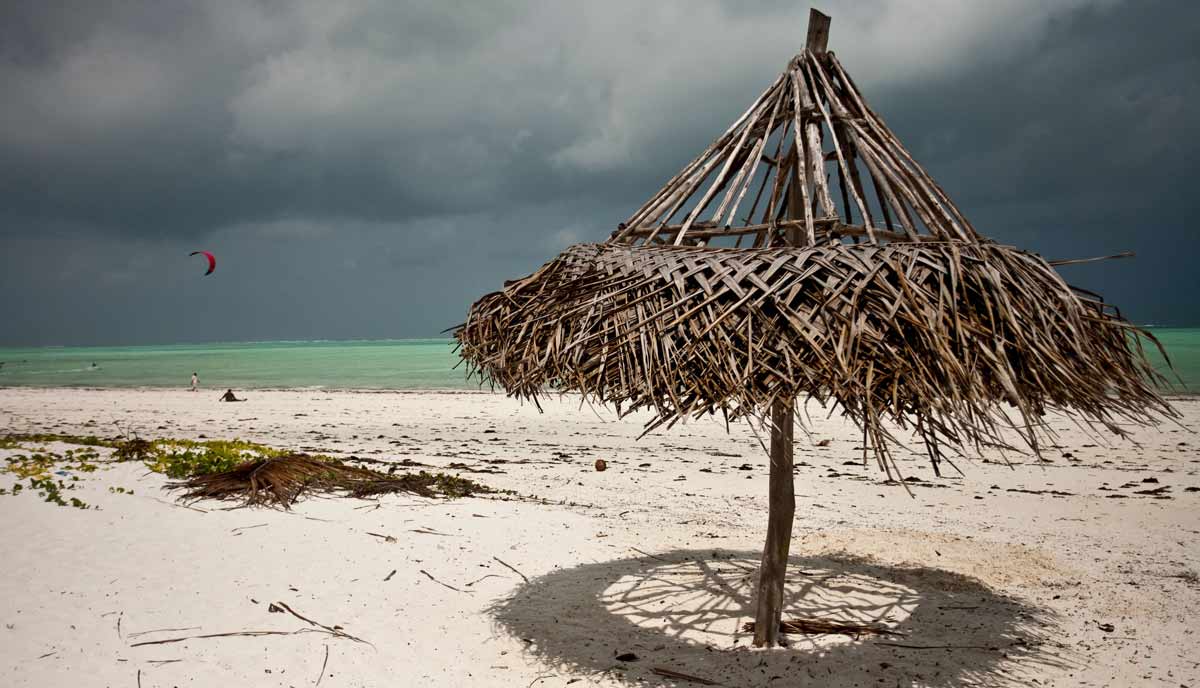
Beautiful beaches are one of Zanzibar’s greatest attractions, but understanding ocean conditions and coastal safety will help ensure your holiday remains memorable for the right reasons.
Zanzibar Is One of East Africa’s Safest Beach Destinations
Zanzibar is famous for its white sand beaches, warm Indian Ocean waters and relaxed island lifestyle. Every year, visitors from Europe, North America, Australia and Africa travel to the island to enjoy diving, snorkelling, sailing, honeymoon holidays and family beach vacations.
From an international travel perspective, Zanzibar is considered one of East Africa’s lower-risk destinations. Serious crime affecting tourists is relatively uncommon in the main tourism areas, and most visitors experience a safe and enjoyable holiday.
The greatest risks are not usually criminal.
Instead, they are environmental.
Ocean tides, strong currents, dehydration, marine life, boating activities and limited awareness of changing coastal conditions account for many of the incidents experienced by visitors.
Fortunately, these risks are easily managed through preparation, local knowledge and sensible decision-making.
Understanding Beach Safety in Zanzibar
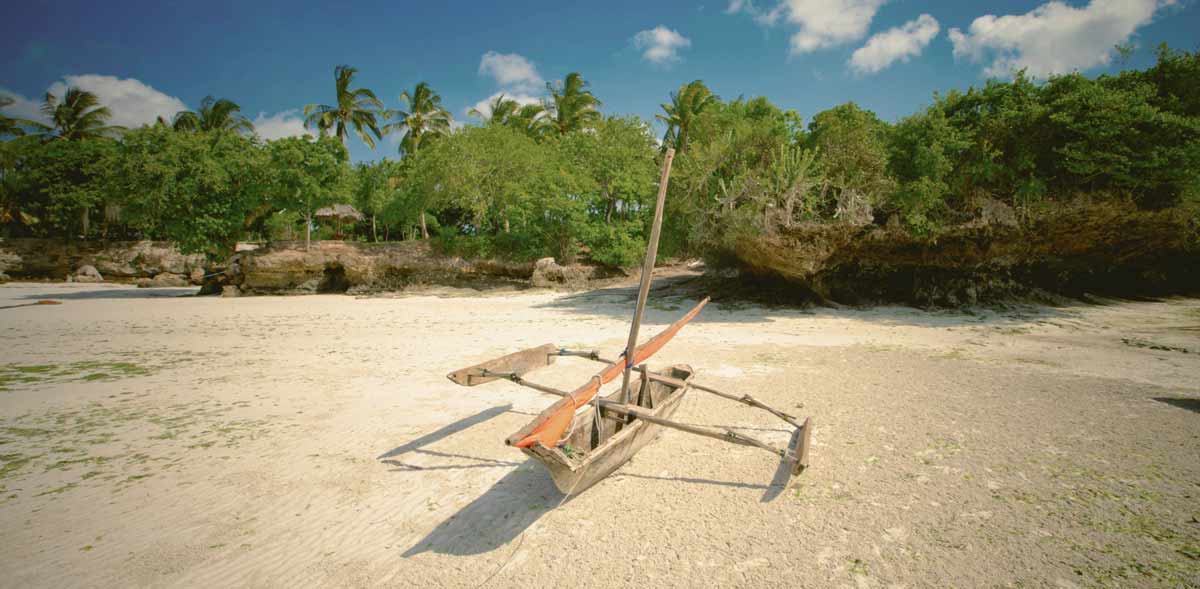
Unlike many Mediterranean or Caribbean destinations, Zanzibar experiences some of the world’s largest tidal movements.
On many beaches, the ocean can retreat hundreds of metres during low tide before returning several hours later.
For visitors unfamiliar with the island, this can be surprising.
During low tide, exposed reefs, sea grass beds and coral become accessible on foot. While these areas are fascinating to explore, they also present slipping hazards, sharp coral, sea urchins and changing water depths.
Understanding local tide times is therefore an important part of planning your day.
Most hotels and beach operators display daily tide information and can recommend the safest times for swimming, snorkelling and water sports.
Travellers should always ask about local conditions before entering unfamiliar areas of the ocean.
Ocean Conditions and Tidal Risks
The Indian Ocean surrounding Zanzibar is generally calm, particularly along the eastern and northern coastline.
However, conditions change with:
- Tides
- Seasonal winds
- Weather systems
- Reef structure
- Boat traffic
Strong currents may develop in channels between reefs or during changing tides.
Visitors should avoid swimming alone in unfamiliar locations, particularly if they are inexperienced swimmers.
Parents should also remember that calm-looking lagoons can deepen rapidly as tides return.
Swimming in designated areas close to hotels or supervised beaches provides the safest experience.
If unsure about local conditions, speak to dive centres, hotel staff or licensed water sports operators before entering the water.
Marine Life and Water-Based Activities
Zanzibar offers exceptional snorkelling and diving opportunities.
The coral reefs support colourful tropical fish, dolphins, turtles and countless other marine species.
Most marine life presents little danger to swimmers.
Nevertheless, visitors should avoid touching marine animals or walking barefoot across exposed reefs.
Common hazards include:
- Sea urchins
- Sharp coral
- Jellyfish during seasonal blooms
- Stonefish hidden among rocks
- Slippery reef surfaces
Protective reef shoes are highly recommended when exploring tidal areas.
Divers and snorkellers should always use licensed operators that provide quality equipment, qualified guides and detailed safety briefings before entering the water.
Following professional instructions greatly reduces the likelihood of accidents.
Beach Security and Personal Safety
While Zanzibar enjoys relatively low levels of violent crime affecting tourists, normal travel awareness remains important.
Visitors should avoid leaving mobile phones, cameras, wallets or passports unattended while swimming.
Hotels generally provide secure safes for passports and valuables.
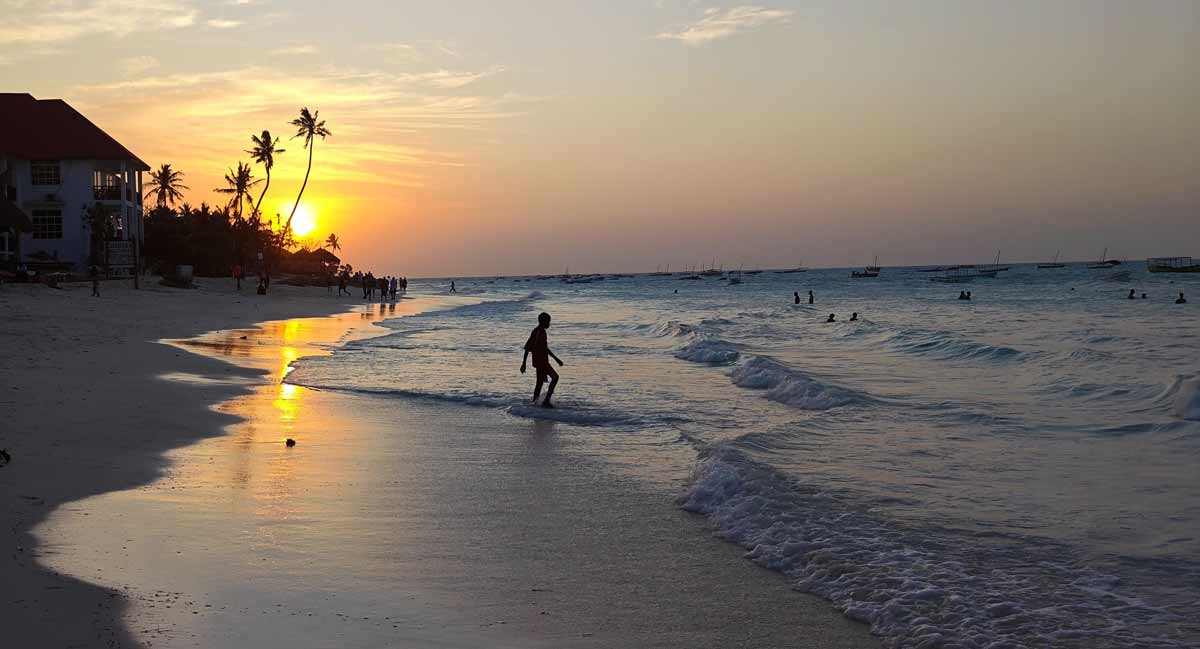
After sunset, remain within well-populated resort areas and use arranged transport if travelling between beaches or villages.
Solo walks along isolated beaches late at night are not recommended, particularly in unfamiliar areas.
Respect for local culture is equally important.
Although resort areas are relaxed, Zanzibar has a predominantly Muslim population, and modest dress away from beaches demonstrates respect for local customs while helping visitors avoid unwanted attention.
Health Considerations for Beach Holidays
Many visitors underestimate how quickly tropical conditions can lead to dehydration.
High temperatures, humidity and continuous outdoor activity increase fluid loss throughout the day.
Travellers should:
- Drink water regularly.
- Apply high-factor sunscreen.
- Wear hats during midday.
- Seek shade during the hottest hours.
- Reapply sunscreen after swimming.
Minor cuts sustained on coral should be cleaned promptly to reduce the risk of infection.
Those participating in diving activities should carefully follow all instructions regarding ascent times and post-dive flying restrictions.
Emergency Response in Coastal Areas
Although emergencies are uncommon, they can happen unexpectedly.
Examples include:
- Near drowning
- Diving injuries
- Boat incidents
- Allergic reactions
- Medical emergencies
- Severe dehydration
Coastal locations may be some distance from advanced medical facilities, making rapid communication particularly important.
Knowing your location, remaining calm and contacting assistance immediately can significantly improve response times.
Travellers should also ensure that family members know their planned activities, particularly when joining boat excursions or visiting offshore islands.
How TravelSafe SOS Improves Coastal Safety
Beach holidays often create a false sense of security.
Because travellers are relaxed, they may delay seeking help when an incident occurs.
TravelSafe SOS provides immediate access to coordinated emergency assistance across Tanzania, Zanzibar and the wider East African region.
If assistance is required, users can activate an SOS alert directly through the app.
The TravelSafe SOS control centre immediately receives the traveller’s location, assesses the situation and begins coordinating the most appropriate response.
Emergency contacts, travel insurers, travel agents and nominated next of kin can also be notified where appropriate.
Whether the incident involves a boating accident, medical emergency, serious injury or another unexpected situation, rapid communication allows assistance to begin much sooner than relying solely on local contacts.
For travellers visiting multiple East African destinations, the same emergency support remains available throughout the journey.
Explore Zanzibar with Confidence
Zanzibar remains one of Africa’s finest beach destinations.
Its spectacular coastline, friendly people and relaxed atmosphere make it an outstanding choice for couples, families and adventure travellers alike.
Understanding tides, respecting the ocean, choosing reputable activity providers and planning ahead allows visitors to enjoy the island safely.
Preparation is not about creating concern.
It is about giving yourself the confidence to relax, knowing that you are ready should something unexpected occur.
Travel Confidently with TravelSafe SOS
TravelSafe SOS provides immediate emergency assistance across Southern and East Africa, helping travellers access coordinated support wherever their journey takes them.
Before travelling to Zanzibar, download TravelSafe SOS and enjoy your holiday knowing expert assistance is only one touch away.