
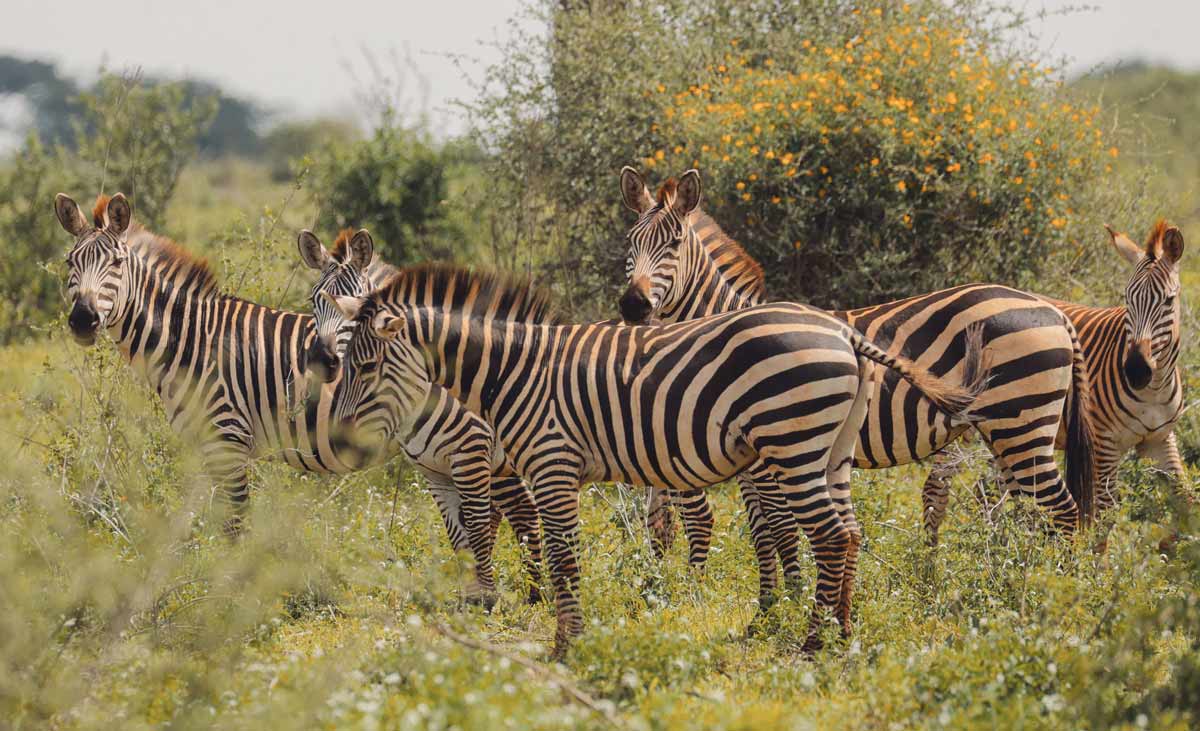
Tanzania is one of Africa’s most rewarding destinations, combining legendary wildlife, the highest mountain on the continent and some of the world’s finest tropical beaches. Understanding how tourism operates across this vast country allows visitors to travel with confidence while appreciating one of Africa’s greatest success stories.
Tanzania Rewards Well-Prepared Travellers Rather Than Risk Takers
For many international visitors, Tanzania represents the Africa they have imagined for years.
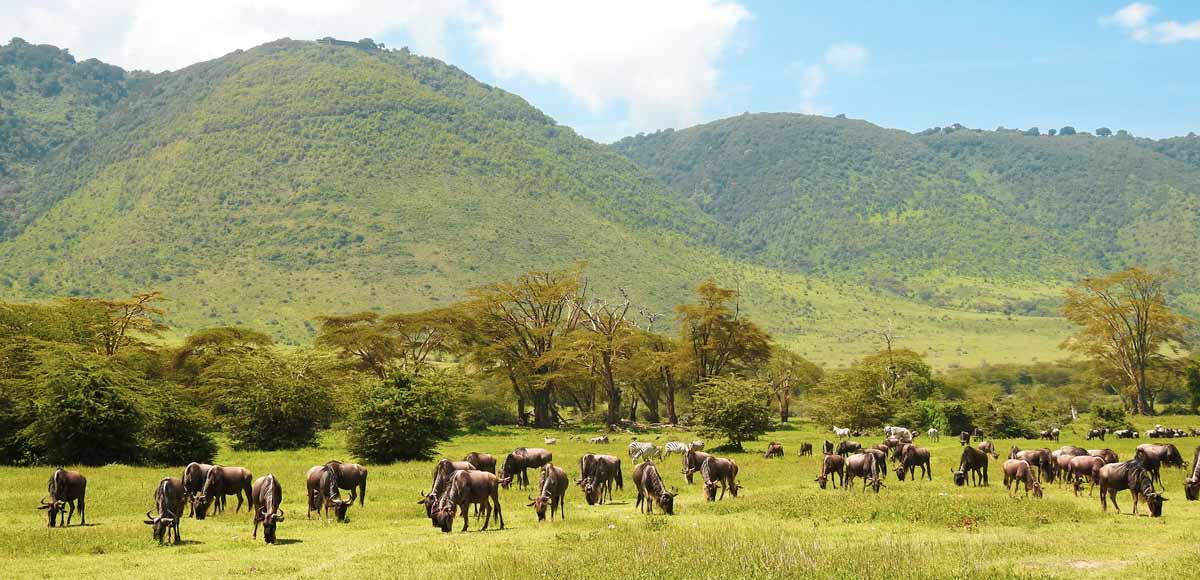
The names alone evoke remarkable images. The Serengeti, where millions of wildebeest move across open plains during the Great Migration. The Ngorongoro Crater, often described as one of the greatest wildlife theatres on Earth. Mount Kilimanjaro rising above the surrounding savannah. Zanzibar’s historic Stone Town and white beaches stretching into the warm waters of the Indian Ocean.
Few countries combine such extraordinary diversity within a single itinerary.
A visitor may spend one week photographing lions on the Serengeti, the next relaxing on Zanzibar’s coastline and the final days exploring coffee plantations around Arusha before flying home. Each destination feels completely different, yet together they create one of the world’s great travel experiences.
That diversity also explains why Tanzania cannot be described by a single safety assessment.
Travelling through the Serengeti has very little in common with exploring Stone Town on foot. Climbing Kilimanjaro demands entirely different preparation from spending time on the beaches of Zanzibar. A business traveller staying in Dar es Salaam experiences the country differently again.
The question is therefore not whether Tanzania is safe.
The better question is whether travellers understand the specific environments they are visiting.
Professional Africa specialists rarely think in terms of countries alone.
They think about ecosystems, transport networks, healthcare access, regional infrastructure and the practical realities of moving safely between destinations.
When viewed through that lens, Tanzania becomes much easier to understand.
It is a country with a mature tourism industry, experienced operators and internationally recognised safari infrastructure that rewards preparation far more than spontaneity.
Tanzania’s Tourism Industry Has Been Built Around International Visitors
One of the reasons Tanzania continues attracting visitors from across the world is that its tourism industry has evolved over many decades.
This experience becomes obvious almost immediately after arrival.
International airports connect efficiently with domestic aviation networks serving safari regions throughout northern Tanzania. Hotels understand the expectations of overseas travellers. Safari guides receive extensive professional training. National parks operate according to clearly established conservation and visitor management principles.
None of this happens by accident.
The country’s reputation depends on consistently delivering safe and memorable experiences across environments that range from mountain forests and volcanic landscapes to coral reefs and remote wilderness.
Behind every successful safari is an enormous amount of operational planning.
Flights are coordinated with lodge arrivals.
Road transfers are scheduled around realistic travel times.
Guides monitor weather conditions and wildlife movements.
Accommodation providers communicate continuously with one another.
Most visitors never notice this coordination because, when everything functions well, it appears effortless.
That quiet professionalism is one of Tanzania’s greatest strengths.
The industry has become exceptionally good at removing complexity from journeys that would otherwise be logistically challenging.
Visitors are therefore free to focus on wildlife, scenery and culture rather than worrying about how each stage of the itinerary fits together.
Safari Areas Feel Very Different from Cities
One of the most common misconceptions among first-time visitors is assuming that safari destinations present the greatest personal security concerns.
The opposite is often true.
Once travellers leave Arusha and begin moving towards the Serengeti, Ngorongoro Conservation Area, Tarangire National Park or Lake Manyara, they enter environments that have been developed specifically around organised tourism. These landscapes are remote, but they are also exceptionally well understood by the professional guides and operators who work there every day.
The practical considerations shift away from urban awareness towards understanding nature.
Wildlife behaves according to predictable patterns.
Weather influences road conditions.
Distances between camps require careful logistical planning.
Communication becomes more important because medical facilities may be several hours away.
Experienced safari guides manage these realities continuously.
They know when to alter a game drive because elephants are moving through a particular valley. They understand how seasonal rainfall affects access roads. They communicate with neighbouring camps and adapt daily activities according to environmental conditions rather than rigid schedules.
For visitors, this creates an experience that often feels remarkably relaxed.
The responsibility for interpreting the environment belongs to highly trained professionals.
Guests are encouraged to enjoy the safari, ask questions and immerse themselves in the landscape while the operational decisions remain in experienced hands.
This partnership between guide and guest explains why Tanzania consistently ranks among Africa’s most respected safari destinations.
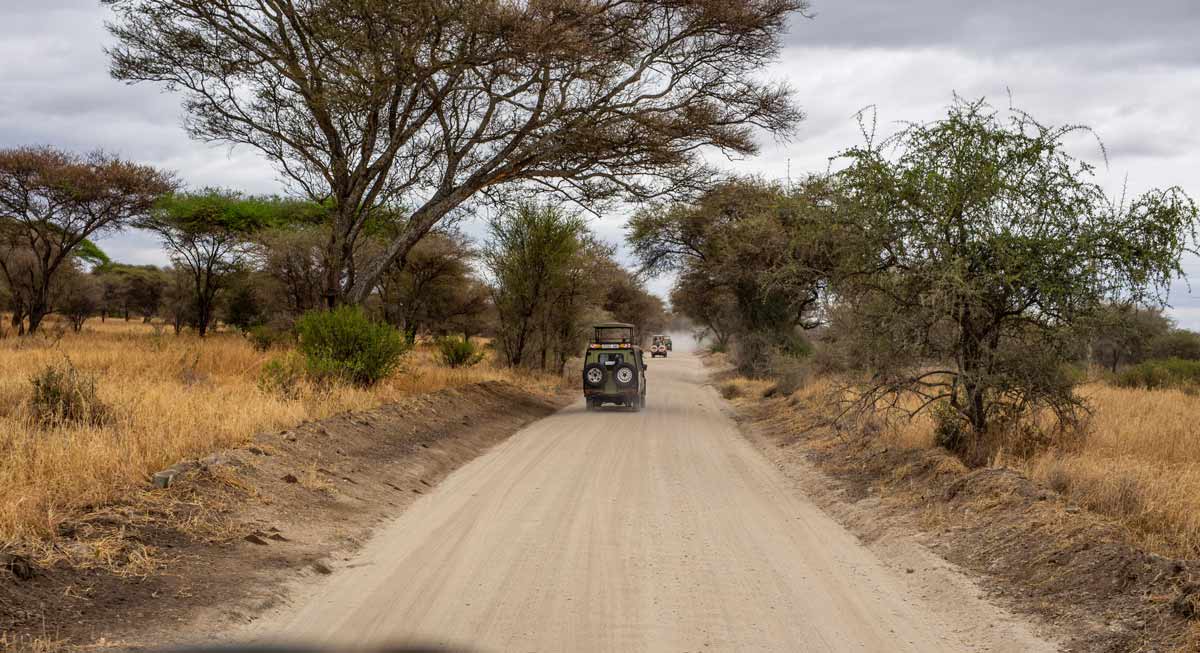
Arusha Is the Gateway to East Africa’s Safari Circuit
Almost every northern Tanzania safari begins in Arusha.
It is far more than simply a convenient overnight stop.
Arusha functions as the operational heart of East African safari tourism, connecting international arrivals with domestic flights, road transfers and expeditions into some of Africa’s greatest wildlife areas.
Because thousands of visitors pass through the city every week, tourism infrastructure is exceptionally well developed.
International-standard hotels, specialist safari companies, equipment suppliers, private medical facilities and experienced guides all operate from Arusha. Visitors normally spend only a short period there before continuing towards the national parks, but that time provides an important opportunity to prepare for the journey ahead.
Like any growing city, Arusha rewards sensible travel habits.
Using reputable accommodation, arranging transfers through established operators and avoiding unnecessary walking in unfamiliar areas after dark are straightforward precautions that dramatically reduce unnecessary risk.
Most travellers remember Arusha not because of safety concerns, but because it marks the beginning of an extraordinary journey.
It is the place where safari vehicles are loaded, cameras are checked one final time and anticipation begins building for the days ahead.
For many visitors, the excitement of leaving Arusha and driving towards the open plains of northern Tanzania becomes one of the defining memories of the holiday.
Zanzibar Deserves to Be Viewed as a Destination in Its Own Right
Many travellers think of Zanzibar simply as the beach extension to a Tanzanian safari.
In reality, the island has its own rhythm, history and travel considerations that differ markedly from those found on the mainland. Stone Town reflects centuries of African, Arab, Persian and European influence, while the beaches stretching along the east, north and south coasts have become some of the Indian Ocean’s most desirable holiday destinations.
Visitors often arrive expecting the same experience they enjoyed on safari.
Instead, they discover a destination where the pace slows considerably. Days revolve around tides, diving excursions, dhow cruises and long walks along white sand beaches rather than early morning game drives. That relaxed atmosphere contributes enormously to Zanzibar’s appeal, but it also changes the way travellers should think about safety.
The greatest risks on the island rarely involve serious crime. They are more commonly associated with marine activities, sun exposure, dehydration, unfamiliar roads and simple lapses in awareness that occur when people become completely absorbed in holiday mode.
Choosing reputable dive operators, listening carefully during marine activity briefings, respecting local customs in Stone Town and arranging transport through established hotels or tour companies are straightforward decisions that remove much of the unnecessary uncertainty from a Zanzibar holiday.
Visitors should also remember that the island remains an important cultural destination as well as a beach resort. Dressing respectfully when exploring villages or historic areas, asking permission before photographing local people and recognising that Zanzibar has its own cultural identity all contribute to more rewarding interactions with local communities.
The overwhelming majority of visitors leave Zanzibar remembering its hospitality, history and extraordinary coastline rather than any concerns about personal safety.
Climbing Kilimanjaro Is About Preparation, Not Technical Ability
Mount Kilimanjaro attracts thousands of climbers every year, many of whom have never previously attempted a major mountain.
This often surprises people.
Africa’s highest mountain is not regarded as a technical climbing challenge requiring ropes or specialist mountaineering skills on the normal routes. Instead, success depends on something much more important.
Preparation.
The greatest challenge on Kilimanjaro is altitude.
Unlike dramatic accidents portrayed in films, the risks associated with climbing the mountain develop gradually. Ascending too quickly, failing to acclimatise properly or underestimating the physical demands of several consecutive days at altitude can all affect how the body responds.
Professional operators understand this exceptionally well.
They monitor climbers continuously, encourage gradual ascents, observe participants for signs of altitude illness and make conservative decisions whenever health concerns arise. Reputable companies are willing to turn clients around before the summit if they believe continuing would compromise safety.
Visitors sometimes find these decisions disappointing.
In reality, they reflect exactly the kind of professional judgement that makes Kilimanjaro one of the world’s safest high-altitude trekking destinations.
Choosing a quality operator, allowing adequate acclimatisation time and arriving with realistic fitness expectations are far more important than purchasing expensive equipment.
Healthcare, Remote Travel and Why Preparation Matters
Tanzania’s tourism industry has developed around some of Africa’s most spectacular natural environments, many of which are intentionally remote.
That remoteness is part of the attraction.
Watching elephants move across Tarangire, witnessing the Great Migration in the Serengeti or relaxing on a quiet beach in Zanzibar offers an experience that feels wonderfully removed from everyday life.
The same distances that create this sense of wilderness, however, also influence emergency planning.
Large private hospitals are available in cities such as Dar es Salaam and Arusha, while regional medical facilities provide care throughout much of the country. Remote safari camps and conservation areas naturally rely on coordinated emergency procedures should specialist treatment become necessary.
Experienced operators prepare for these situations long before guests arrive.
Communication systems are established.
Evacuation procedures are understood.
Guides receive first-aid training.
Relationships with aviation providers and medical services are maintained.
Visitors also have responsibilities.
Comprehensive travel insurance that includes emergency medical evacuation should be considered essential. Prescription medication should be carried in sufficient quantities, together with copies of prescriptions and details of any significant medical conditions.
Good preparation is rarely visible during a perfect holiday.
Its importance only becomes obvious when plans unexpectedly change.
Understanding Tanzania’s Real Risks
One of the reasons Tanzania consistently receives such positive reviews from international visitors is that the actual risks travellers encounter are often very different from the concerns they had before arriving.
Before departure, many people worry about wildlife, remote landscapes or unfamiliar cultures.
After returning home, they often realise that the practical challenges were much simpler.
Long transfer days.
Keeping hydrated in a warm climate.
Allowing enough time between flights.
Choosing experienced guides.
Respecting wildlife rather than fearing it.
Listening carefully during activity briefings.
Maintaining awareness in busy urban areas just as they would in any other international city.
In other words, Tanzania rewards informed travellers rather than adventurous risk takers.
It is not a destination where confidence comes from ignoring potential hazards.
It is a destination where confidence comes from understanding how the country’s tourism industry has evolved to manage them.
This distinction explains why so many visitors return repeatedly, often exploring new regions on each journey.
The more they understand Tanzania, the more comfortable they become travelling through it.
How TravelSafe SOS Supports Travellers Across Tanzania
Modern holidays rarely involve a single destination.
A typical Tanzanian itinerary may include an international flight into Kilimanjaro International Airport, several days on safari, a domestic flight to Zanzibar and onward connections to another East or Southern African country.
Each stage involves different accommodation providers, transport companies, guides and local services.
If an unexpected event interrupts that journey, communication quickly becomes more complicated than the emergency itself.
TravelSafe SOS was developed specifically for travellers moving through destinations such as Tanzania.
If assistance is required, the traveller activates the SOS feature within the app. Their alert and location are immediately transmitted to the TravelSafe SOS Control Centre, where experienced coordinators assess the situation and begin organising the most appropriate response.
Depending on the circumstances, this may include communicating with emergency medical providers, accommodation, domestic airlines, travel insurers, tour operators, travel agents and nominated next of kin.
The advantage is continuity.
Instead of trying to contact several organisations independently while under pressure, travellers have one professional coordination point that manages the response from beginning to end.
For visitors combining Tanzania with Kenya, Uganda, Rwanda, Zambia, Zimbabwe, Botswana, Namibia, Mozambique or South Africa, the same service continues throughout the entire journey.
Final Thoughts
Tanzania has earned its reputation as one of the world’s premier travel destinations through an extraordinary combination of wildlife, landscapes, culture and hospitality.
Visitors can experience the Great Migration, climb Africa’s highest mountain, explore volcanic landscapes and finish their journey on tropical beaches, all within a single country.
That diversity naturally creates different safety considerations from one region to another.
The important point is that Tanzania’s tourism industry has spent decades developing the infrastructure, guiding standards and operational procedures needed to manage those environments responsibly.
Travellers who prepare carefully, choose experienced operators and understand the practical realities of moving between destinations usually discover that Tanzania is every bit as welcoming as they had hoped.
The memories they take home are not of worrying about safety.
They are of lions calling across the Serengeti at dawn, dhow sails catching the afternoon breeze off Zanzibar and standing on the roof of Africa as the sun rises above the clouds.
Travel Tanzania with Confidence
Whether you are planning a classic northern safari, a Kilimanjaro expedition, a Zanzibar beach holiday or a journey combining several East African countries, preparation is your greatest travelling companion.
Download TravelSafe SOS before you leave home and explore Tanzania knowing that professional emergency coordination is available wherever your African journey takes you.