
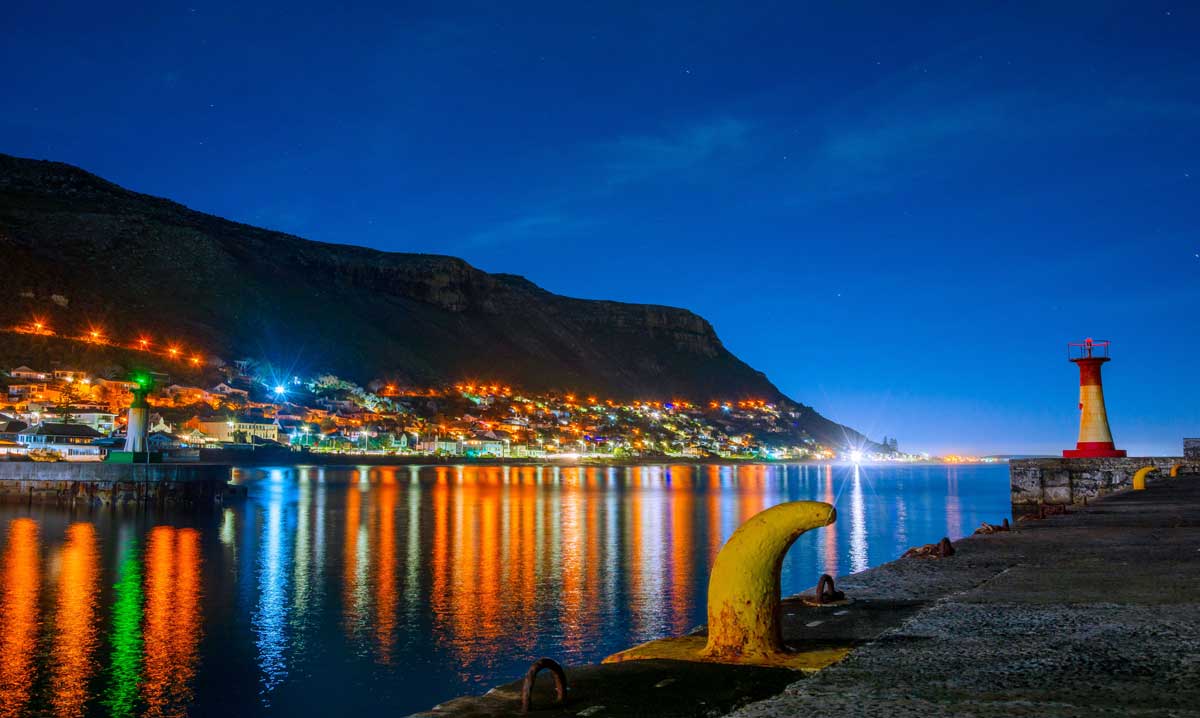
Cape Town offers unforgettable evenings, world-class restaurants and spectacular scenery. Understanding how the city changes after dark allows you to enjoy it with confidence.
Cape Town’s Nightlife Is One of the City’s Greatest Attractions, But It Requires a Different Mindset
Cape Town consistently ranks among the world’s most desirable travel destinations. Visitors arrive from Europe, North America, Australia and across Africa to experience its remarkable combination of mountains, beaches, wine estates, culture and internationally acclaimed restaurants.
For many travellers, some of their favourite memories are created after sunset.
Dinner overlooking the Atlantic Ocean in Camps Bay.
Cocktails at the V&A Waterfront.
Jazz clubs in the city centre.
Sunset cruises from the harbour.
Fine dining beneath Table Mountain.
The city comes alive at night.
Yet this is also the period when visitors need to think differently about personal safety.
Cape Town is not unusual in this respect.
London, Barcelona, Rio de Janeiro, New York and Sydney all present different risk profiles after dark compared with daylight hours. Restaurants become busier, entertainment districts attract larger crowds, alcohol affects judgement, public transport changes and quieter streets create opportunities for opportunistic crime.
Cape Town is no different.
The purpose of this guide is not to discourage visitors from enjoying the city.
It is to explain how Cape Town functions after dark, where genuine risks exist, where they do not, and how informed travellers can confidently enjoy one of Africa’s greatest cities.
Most importantly, understanding Cape Town at night begins by separating perception from reality.
Is Cape Town Safe at Night?
This is one of the most frequently searched questions about South Africa.
Unfortunately, many answers found online are either overly optimistic or unnecessarily alarmist.
The truth lies somewhere between the two.
Cape Town is neither completely safe nor exceptionally dangerous.
It is a modern international city where millions of residents go about their daily lives and where millions of international visitors enjoy memorable holidays every year.
The overwhelming majority of tourists never experience a serious security incident.
When problems do occur, they usually involve predictable situations rather than random attacks.
These include:
- Walking alone through unfamiliar areas.
- Becoming intoxicated and losing awareness.
- Displaying expensive cameras or mobile phones unnecessarily.
- Accepting transport from unlicensed drivers.
- Leaving restaurants late and walking back to accommodation instead of using transport.
- Visiting neighbourhoods that local residents themselves avoid after dark.
Understanding these behavioural risks is far more valuable than simply asking whether Cape Town is “safe.”
Safety depends on decisions.
Travellers who remain within established tourism areas, use reputable transport and follow local advice generally experience a safe and enjoyable visit.
Understanding How Cape Town Changes After Sunset
One of Cape Town’s defining characteristics is that neighbourhoods have very different personalities.
An area that feels busy and welcoming during daylight may become quiet after offices close.
Likewise, entertainment districts become increasingly active as restaurants and bars fill with visitors.
This changing environment is perfectly normal for a large international city.
However, travellers unfamiliar with Cape Town sometimes assume that the city maintains the same atmosphere throughout the day.
It does not.
Business districts become quieter.
Pedestrian numbers decrease.
Traffic patterns change.
Public transport options reduce.
Some areas become vibrant social hubs.
Others become noticeably quieter.
Good travel planning therefore means understanding not only where you are going, but also how you intend to return.
Professional guides, concierge staff and hotel reception teams are excellent sources of current local advice.
Visitors should never hesitate to ask simple questions such as:
“Is it better to walk?”
“Should we order an Uber?”
“Which entrance should we use?”
Small pieces of local knowledge often make the biggest difference.
The Safest Areas for Visitors After Dark
Cape Town offers numerous locations where visitors comfortably enjoy evenings throughout the year.
These areas benefit from established tourism infrastructure, private security, good lighting and high visitor numbers.
The V&A Waterfront remains one of the safest evening destinations in South Africa.
Restaurants, hotels, retail outlets and entertainment venues operate within a professionally managed environment supported by visible private security, monitored parking areas and continuous visitor activity.
Similarly, Camps Bay continues to attract international visitors well into the evening.
Its beachfront restaurants and cafés remain lively after sunset, particularly during the summer months.
Sea Point and Green Point also offer excellent dining options and generally feel comfortable when sensible precautions are followed.
Many visitors choose accommodation within these neighbourhoods specifically because they provide convenient access to restaurants without requiring long journeys across the city.
Luxury hotels in the central business district maintain excellent security and frequently arrange transport directly for guests.
Rather than walking between unfamiliar locations, most experienced travellers simply arrange transport through their accommodation.
This small decision removes much of the uncertainty associated with moving around any unfamiliar city after dark.

Areas That Require Greater Awareness
Discussing risk honestly is important.
Cape Town cannot be understood through a simple list of “safe” and “unsafe” suburbs.
Conditions change depending on the time of day, local events and individual circumstances.
Entertainment districts such as Long Street remain extremely popular with both visitors and local residents.
Hundreds of people enjoy evenings there every week without incident.
However, alcohol consumption, large crowds and opportunistic petty crime naturally increase as the night progresses.
Travellers should remain aware of their surroundings, avoid displaying valuables and arrange transport home rather than walking significant distances.
Equally important is recognising that some residential or industrial areas have little relevance to tourism at all.
Visitors have no practical reason to enter many neighbourhoods independently, particularly after dark.
Township visits, for example, can provide valuable cultural experiences when undertaken with reputable guides during organised excursions.
Independent exploration at night serves little purpose and unnecessarily increases exposure to unfamiliar environments.
This is not unique to Cape Town.
The same advice applies in many major cities around the world.
Knowing where not to go is simply part of travelling responsibly.
Why Transport Decisions Determine Your Overall Safety
If experienced Cape Town guides could offer visitors only one piece of advice, it would probably concern transport.
Very few visitors encounter difficulties while sitting inside a reputable restaurant or enjoying dinner at a hotel.
Most incidents occur while moving between locations.
Walking a kilometre after dinner may appear perfectly reasonable on Google Maps.
In reality, that route could involve poorly lit streets, limited pedestrian activity or unfamiliar surroundings.
Professional transport removes these uncertainties.
Ride-hailing services such as Uber have become an important part of Cape Town’s tourism infrastructure.
Hotel-arranged transfers offer another reliable option.
Licensed private shuttle services remain particularly valuable for airport transfers and larger groups.
The cost of professional transport is usually insignificant compared with the value of avoiding unnecessary exposure.
One of the most common comments from repeat visitors is that they quickly stopped worrying about transport once they accepted that short vehicle journeys after dark were simply part of visiting the city.
That small adjustment dramatically improves both safety and peace of mind.
Common Mistakes That Put Travellers at Risk
When visitors encounter difficulties in Cape Town after dark, the cause is rarely bad luck.
More often, it is a series of small decisions that collectively increase exposure to risk.
One of the most common misconceptions is that because Cape Town is a major international tourism destination, it can be explored on foot in exactly the same way as many European cities. During daylight hours this is often true in areas such as the V&A Waterfront, Camps Bay and parts of Sea Point. After dark, however, the equation changes.
Walking between restaurants, bars and hotels may appear convenient, but unfamiliar routes can quickly become quiet and poorly lit. Visitors who rely solely on mapping applications may unknowingly walk through areas that local residents would avoid at night.
Another common mistake is becoming distracted.
Many incidents involving tourists are opportunistic rather than planned. A mobile phone left on a restaurant table, a handbag hanging loosely over a chair or an expensive camera carried openly after dinner can attract unwanted attention.
Alcohol also changes behaviour.
Cape Town has an outstanding restaurant and wine culture, and visitors understandably want to enjoy it. However, excessive drinking reduces awareness, affects judgement and increases vulnerability when travelling back to accommodation.
Travellers who enjoy the city’s nightlife while remaining aware of their surroundings rarely experience problems.
Women Travelling Alone in Cape Town at Night
Cape Town is a popular destination for solo travellers, including many women travelling independently for business or leisure.
Thousands do so safely every year.
The same practical precautions recommended in cities such as London, Paris or New York also apply here.
Choose accommodation in established tourism areas.
Arrange transport before leaving restaurants.
Avoid isolated beaches or parks after sunset.
Share your location with family or travelling companions.
Trust your instincts. If a situation feels uncomfortable, leave immediately.
Many hotels provide excellent concierge services and are happy to recommend restaurants, arrange transport and advise on local conditions.
Women travelling alone should not feel discouraged from visiting Cape Town, but planning ahead significantly improves both confidence and personal safety.
Transport from Cape Town International Airport at Night
Many international flights arrive during the evening.
For first-time visitors, arriving after dark can feel unfamiliar, particularly after a long international journey.
Cape Town International Airport is a modern facility with excellent security, but travellers should already know how they intend to reach their accommodation before collecting their luggage.
The safest options include:
- Hotel-arranged transfers.
- Uber collected from designated pick-up areas.
- Licensed private shuttle companies.
- Reputable car rental providers if driving directly.
Avoid accepting transport offers inside or immediately outside the terminal from individuals who approach you directly.
Professional operators have clear identification and confirmed bookings.
Planning airport transport before departure removes unnecessary uncertainty at the beginning of your holiday.
Emergency Situations: Knowing What to Do
Even well-prepared travellers occasionally encounter unexpected situations.
These may include:
- A medical emergency.
- A vehicle accident.
- Theft of personal belongings.
- Losing a passport.
- Becoming separated from travelling companions.
- Feeling threatened while travelling between venues.
During stressful situations, people often lose valuable time deciding who to contact first.
Should they phone local emergency services?
Call the hotel?
Notify their travel insurer?
Contact family members?
Search online for the nearest medical facility?
These delays are understandable but can significantly affect how quickly assistance is organised.
Preparation before travelling is therefore just as important as preparation for the activities themselves.
Knowing where you are, keeping emergency contact details readily available and ensuring someone knows your plans all contribute to faster, more effective responses.
Why Fast Communication Is the Most Important Safety Tool
Many travellers focus entirely on preventing incidents.
Equally important is understanding how quickly help can be organised if something unexpected happens.
A delayed response often increases stress, prolongs uncertainty and complicates communication between multiple organisations.
Imagine a traveller who experiences a medical emergency while returning from dinner.
Their travelling companion may need to contact emergency services, notify the hotel, inform the travel insurer and update family members, all while trying to explain an unfamiliar location.
The challenge is often not the emergency itself.
It is coordinating the response.
The faster accurate information reaches the right people, the sooner appropriate assistance can begin.
This principle applies whether the incident involves illness, an accident, a security concern or a transport problem.
How TravelSafe SOS Supports Travellers in Cape Town
TravelSafe SOS was created specifically for travellers exploring Southern and East Africa.
Unlike traditional emergency numbers that connect callers to a single service, TravelSafe SOS provides coordinated assistance through a dedicated emergency control centre.
If a traveller activates the SOS function, the control centre immediately receives their alert together with their location.
Experienced coordinators assess the situation and determine the most appropriate response.
Depending on the circumstances, this may include:
- Emergency medical services.
- Private security providers.
- Roadside assistance.
- Medical evacuation coordination.
- Communication with hospitals.
- Liaison with travel insurers.
- Notification of travel agents.
- Updates to nominated next of kin.
This coordinated approach removes much of the confusion that travellers often experience during emergencies.
Instead of trying to contact multiple organisations individually, one activation begins a structured response.
For visitors combining Cape Town with destinations such as the Garden Route, Kruger National Park, Victoria Falls, Botswana, Namibia, Mozambique or East Africa, the same emergency support continues throughout the journey.
That continuity provides reassurance long after travellers leave South Africa.
Final Thoughts
Cape Town deserves its reputation as one of the world’s most spectacular cities.
Its coastline, restaurants, cultural attractions and natural beauty make it one of Africa’s premier tourism destinations.
Visitors should not avoid experiencing Cape Town after dark.
They should simply approach it with the same awareness they would use in any major international city.
Choose accommodation in recognised tourism areas.
Use reputable transport.
Listen to local advice.
Remain aware of your surroundings.
Avoid unnecessary risks.
These simple habits allow most visitors to experience everything Cape Town has to offer safely and confidently.
Knowledge remains the traveller’s greatest form of protection.
Download TravelSafe SOS Before You Travel
Whether you are spending a weekend in Cape Town or embarking on a multi-country African adventure, preparation gives you confidence when plans change unexpectedly.
TravelSafe SOS provides coordinated emergency assistance throughout Southern and East Africa, helping travellers access expert support whenever it is needed most.
Download the app before you travel and explore Africa knowing experienced assistance is only one touch away.