
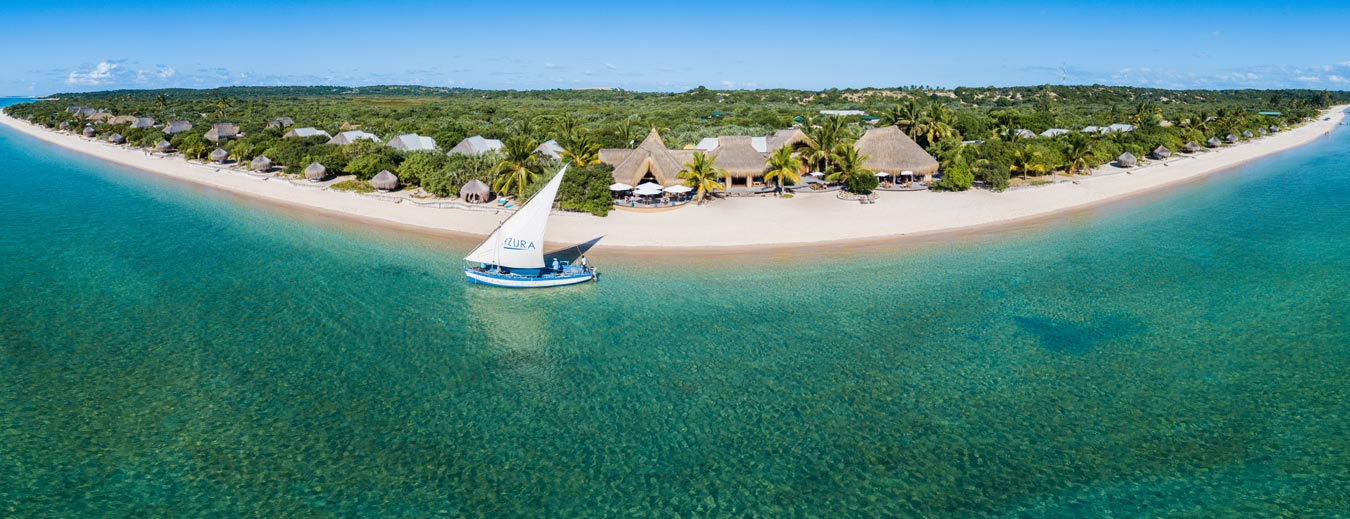
Few countries in Africa surprise visitors as much as Mozambique. People arrive expecting uncertainty and leave wondering why they ever questioned travelling there. Understanding how tourism actually operates in Mozambique is the key to travelling confidently through one of Africa’s most rewarding destinations.
Understanding Mozambique Begins with Understanding Geography
If there is one mistake almost every first-time visitor makes before travelling to Mozambique, it is assuming that the country can be understood through a single travel advisory or a collection of news headlines.
Mozambique is simply too large, too diverse and too geographically varied for that approach to be useful.
Stretching for more than 2,500 kilometres along the Indian Ocean, the country encompasses tropical islands, bustling cities, remote fishing villages, internationally recognised marine reserves, wetlands, mountains, national parks and vast rural landscapes. Conditions differ enormously from one province to another, just as they would across countries of a similar size anywhere else in the world.
Yet travellers often overlook one very important fact.
International tourists do not travel throughout Mozambique in the same way local residents do.
Instead, they follow well-established tourism corridors that have developed over decades around the country’s finest beaches, marine reserves and wildlife destinations. Visitors typically arrive through Maputo, Vilanculos or Inhambane before transferring directly to recognised resorts, island lodges or safari camps. Every stage of that journey is usually coordinated by accommodation providers, professional transfer companies, domestic airlines or specialist guides who understand the practical realities of travelling within Mozambique.
This distinction changes the conversation completely.
When people ask whether Mozambique is safe, they are usually referring to the journey they are planning rather than the entire country.
A honeymoon couple flying from Johannesburg to Vilanculos before boarding a helicopter to Benguerra Island experiences Mozambique very differently from someone travelling independently across multiple provinces by public transport. Likewise, a family spending a week inside Gorongosa National Park encounters different practical considerations from a business traveller attending meetings in Maputo.
Understanding Mozambique therefore begins with understanding your own itinerary.
Experienced Africa specialists rarely make broad statements about entire countries.
They think in regions, routes and travel styles because those are the factors that genuinely determine the traveller’s experience.
The Mozambique Most Visitors Experience Is Remarkably Different from the One They Imagine
One of the most interesting conversations we have with prospective travellers usually happens before they book.
Many confess that family members questioned their decision to visit Mozambique. Others admit they spent hours reading travel forums, government advisories and social media discussions before deciding whether the holiday was worth the perceived risk.
Then something remarkable happens.
A week after arriving home, those same travellers often describe Mozambique as one of the friendliest, most relaxed and least commercial beach destinations they have ever visited.
The difference lies in expectation.
People often imagine Mozambique through the lens of international news reporting, where unusual events understandably receive disproportionate attention. Tourism, however, operates according to a completely different reality. The country’s leading beach destinations, island lodges and safari areas depend almost entirely on international visitors. Their reputation has been built over many years by delivering consistently professional experiences to guests travelling from Europe, North America, Australia and Southern Africa.
That professionalism is visible from the moment visitors arrive.
Airport representatives meet scheduled flights.
Drivers know exactly which guests they are collecting.
Boat skippers monitor weather and tides before departures.
Accommodation managers maintain close relationships with transport providers.
Guides remain in regular contact with neighbouring operators and conservation authorities.
Most travellers notice only that everything appears to work smoothly.
Behind that apparently effortless experience lies years of operational planning and local knowledge.
Professional tourism quietly removes uncertainty from the journey.
The result is that visitors spend their holiday thinking about whale sharks, coral reefs, dhow cruises and sunsets rather than worrying about safety.
That is the Mozambique experienced by the overwhelming majority of international tourists.
Southern and Central Mozambique Form the Heart of International Tourism
Understanding where tourism is concentrated is one of the most important aspects of understanding travel safety.
Although Mozambique extends across a vast geographical area, international leisure tourism focuses primarily on the southern and central regions of the country. Destinations such as Ponta do Ouro, Maputo National Park, Vilanculos, the Bazaruto Archipelago, Tofo, Barra, Inhambane and Gorongosa National Park have welcomed overseas visitors for many years and have developed accordingly.
These destinations have something important in common.
They are built around organised tourism rather than spontaneous independent travel.
Guests usually arrive through scheduled transfers that have been arranged long before they land. Accommodation providers know exactly when flights arrive, which vehicles are collecting guests and how onward transfers will operate. Marine excursions leave according to sea conditions rather than rigid timetables, while safari activities are adjusted around wildlife movements and weather rather than convenience.
This operational flexibility often surprises first-time visitors.
They quickly realise that experienced operators do not force the environment to fit the itinerary.
They adapt the itinerary to the environment.
If sea conditions make a boat crossing uncomfortable, departures are delayed.
If heavy rain affects a remote road, transfer times change.
If strong winds reduce visibility for helicopters, flights are rescheduled.
Visitors occasionally see these adjustments as inconveniences.
Those with more experience recognise them for what they really are.
They are evidence of a mature tourism industry placing safety ahead of rigid schedules.
It is precisely this willingness to adapt that has helped Mozambique establish such a strong reputation among experienced African travellers.
Understanding Regional Security in Context
No discussion about Mozambique would be complete without acknowledging that different parts of the country face different security realities.
Ignoring that fact would not serve travellers well.
Equally, allowing it to dominate every discussion about Mozambique creates a misleading picture that bears little resemblance to the experience of most visitors.
Northern Cabo Delgado Province has experienced an armed insurgency in recent years, and this has understandably attracted considerable international attention. Government travel advisories continue to recommend caution regarding parts of that region, and travellers should always consult the latest official guidance before departure.
What is often missing from broader discussions is geographical context.
The principal leisure destinations that attract international holidaymakers lie hundreds, and in many cases well over a thousand kilometres away from the affected areas. Vilanculos, the Bazaruto Archipelago, Inhambane, Tofo, Barra, Ponta do Ouro and Gorongosa National Park operate within entirely different tourism regions, served by different airports, road networks, accommodation providers and tourism infrastructure.
This geographical separation matters.
It allows travellers to evaluate their own itinerary realistically rather than assuming that events in one province automatically affect destinations across the entire country.
Experienced Africa specialists make this distinction every day when planning holidays.
Their focus is always the route their clients will actually travel, not the theoretical possibility of travelling somewhere entirely different.
That practical approach provides a far more accurate understanding of Mozambique than broad generalisations ever can.
The Risks Most Travellers Worry About Are Rarely the Ones They Actually Encounter
Speak to anyone planning their first holiday to Mozambique and the conversation usually begins in exactly the same place.
“Is it safe?”
The question is understandable, but after many years of operating holidays throughout Mozambique, we have noticed something interesting.
The risks that concern travellers before departure are rarely the issues they remember once the holiday has finished.
Before travelling, people worry about crime, political instability or dramatic stories they have read online.
Once they arrive, their attention quickly shifts to far more practical matters.
Which side of the beach is safest for swimming at high tide?
How long does the boat transfer take?
Will tomorrow’s dive leave early if the sea is calm?
Should we carry extra drinking water on today’s excursion?
Can we leave our passports in the room safe?
These are the questions that actually shape a successful holiday because they reflect the realities of travelling in Mozambique rather than the assumptions people make before they arrive.
Like every destination, Mozambique requires sensible judgement.
Visitors should avoid displaying expensive jewellery unnecessarily, keep passports secure, use reputable transport providers and seek local advice when exploring unfamiliar towns. None of this is unique to Mozambique. It is exactly the same approach experienced travellers adopt whether they are visiting Barcelona, Rio de Janeiro, Bangkok or Cape Town.
The difference is that Mozambique’s tourism industry has become exceptionally good at quietly managing the things visitors do not immediately notice.
Drivers know which roads to avoid after heavy rain.
Boat skippers understand how tides influence crossing times.
Dive operators monitor changing sea conditions.
Lodge managers know when weather may affect flights or transfers.
Professional guides continually adjust plans without guests ever realising how many decisions are being made on their behalf.
That quiet expertise is one of Mozambique’s greatest strengths.
The safest holidays are usually the ones where visitors never notice how much planning is taking place behind the scenes.
Why the Most Important Safety System Is the One You Never See
When people imagine travel safety, they often picture emergency vehicles, hospitals or police.
In reality, the most effective safety system begins long before an emergency ever occurs.
It begins with preparation.
Consider a typical journey to the Bazaruto Archipelago.
An international flight lands in Vilanculos.
Airport staff already know which guests are arriving.
The transfer vehicle has been scheduled according to the airline timetable.
The boat crew has checked tides and weather before leaving the island.
The lodge has confirmed arrival times with both the skipper and reception team.
If sea conditions change unexpectedly, departure times are adjusted.
If an aircraft is delayed, the lodge knows before the guests arrive.
To the traveller, everything simply appears to work.
That seamless experience is not accidental.
It is the result of dozens of small operational decisions made by experienced professionals who understand Mozambique intimately.
The same philosophy exists throughout the country’s leading tourism destinations.
Safari guides monitor weather, wildlife movements and road conditions before guests leave camp.
Marine operators constantly evaluate currents, wind direction and visibility before approving diving or snorkelling excursions.
Pilots make conservative decisions when coastal weather changes.
Managers maintain communication with neighbouring operators because they recognise that cooperation benefits everyone.
Visitors rarely see these systems working.
That is precisely the point.
The best safety systems are almost invisible because they solve problems before travellers become aware that those problems ever existed.
Remote Places Require Better Planning, Not Greater Fear
One of Mozambique’s greatest attractions is the feeling of genuine space.
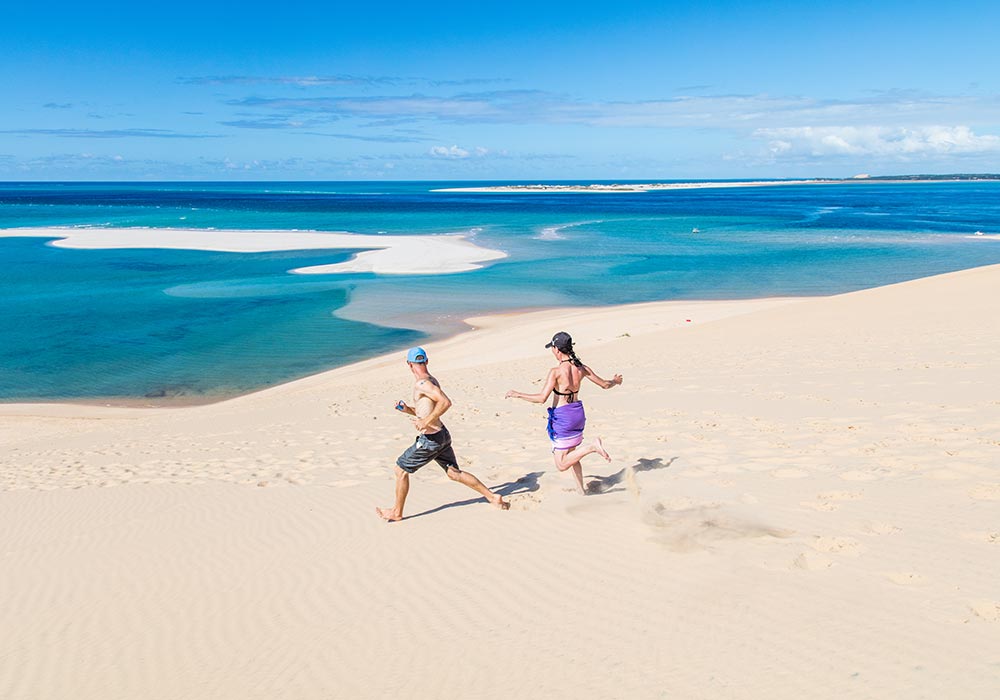
Visitors quickly discover that there are beaches where they may walk for kilometres without meeting another person and marine reserves where the only sounds are waves breaking across coral reefs and fish eagles calling overhead.
Safari guests in Gorongosa experience something similar.
Large landscapes remain wonderfully uncrowded, allowing wildlife to behave naturally and visitors to experience Africa at a slower, more authentic pace.
This remoteness is part of Mozambique’s appeal.
It also explains why planning matters so much.
The challenge is rarely distance itself.
The challenge is knowing exactly what to do if circumstances change unexpectedly.
Professional tourism operators understand this instinctively.
Every itinerary includes contingency planning.
Transfer providers know alternative routes if roads become difficult after heavy rain.
Lodges maintain communication systems because mobile coverage may vary in remote regions.
Medical providers understand how to coordinate assistance between airstrips, boats, vehicles and hospitals when necessary.
Visitors sometimes mistake this planning for unnecessary caution.
Experienced Africa travellers see it differently.
Preparation allows everyone to relax because they know that alternatives already exist if conditions change.
That confidence is one of the defining characteristics of well-managed travel throughout Southern and East Africa.
Medical Care Is Only Part of the Response
People often ask whether Mozambique has good hospitals.
It is a sensible question, but not necessarily the most useful one.
A better question is this.
How does the system work if someone becomes ill while staying on a remote island or inside a national park?
The answer lies in coordination rather than geography.
Mozambique has private medical facilities in Maputo and regional healthcare services in centres such as Vilanculos, Inhambane and Beira. Serious medical emergencies may require transfer to larger facilities, depending on the nature of the illness or injury.
Professional tourism operators prepare for these situations long before guests arrive.
Guides receive first-aid training.
Accommodation providers maintain emergency contact procedures.
Aviation companies understand medical evacuation protocols.
Travel insurers operate established systems for approving treatment and transport.
What matters is ensuring that these different organisations begin working together as quickly as possible.
Travellers should do their part before departure.
Carry comprehensive travel insurance that includes emergency evacuation.
Bring sufficient prescription medication for the duration of the trip.
Keep digital copies of passports and insurance documentation.
Share your itinerary with family members.
Simple preparation removes uncertainty at precisely the moment when clear thinking becomes most important.
How TravelSafe SOS Fits Into the Journey
One of the realities of modern travel is that holidays rarely involve only one destination.
A traveller may begin in Johannesburg, continue to Vilanculos, spend several nights on Benguerra Island before flying to Gorongosa and then return home through Maputo.
Each stage involves different accommodation providers, transport companies, guides and regional medical services.
If an emergency occurs, finding help is often not the greatest challenge.
Coordinating everyone quickly becomes the difficult part.
TravelSafe SOS was developed specifically for journeys like these.
When travellers activate the SOS feature, their location is transmitted immediately to the TravelSafe SOS Control Centre. Experienced coordinators assess the situation and begin communicating with the organisations most appropriate to the incident. Depending on the circumstances, this may include medical providers, emergency responders, accommodation, transport operators, travel insurers, travel agents and nominated next of kin.
The objective is not simply to request assistance.
It is to coordinate the entire response.
That distinction becomes particularly valuable in destinations where travellers may be moving between airports, islands, safari camps and remote coastal regions during a single holiday.
Instead of trying to manage multiple conversations while dealing with a stressful situation, travellers benefit from one experienced control centre overseeing the process from beginning to end.
Final Thoughts
Mozambique has always appealed to travellers looking for something different.
It is not a destination built around crowded beaches, large hotel complexes or mass tourism.
Its attraction lies in exactly the opposite.
Space.
Authenticity.
Unspoilt coastline.
Exceptional marine life.
Conservation areas that still feel genuinely wild.
That sense of discovery is one of the reasons so many visitors return again and again.
They discover that travelling safely in Mozambique is not about avoiding adventure.
It is about understanding the country through the eyes of the people who know it best.
Experienced operators do not spend their time worrying about unlikely scenarios.
They focus on planning.
Preparation.
Communication.
Flexibility.
Respect for the ocean.
Respect for wildlife.
Respect for distance.
When visitors adopt the same mindset, Mozambique becomes exactly what it has quietly become for thousands of experienced African travellers.
One of the continent’s most rewarding destinations.
Explore Mozambique with Confidence
Whether you are planning a self-drive adventure from South Africa, a luxury escape to the Bazaruto Archipelago, a diving holiday in Tofo or a safari in Gorongosa National Park, thoughtful preparation transforms an excellent holiday into an exceptional one.
Download TravelSafe SOS before your journey and explore Mozambique knowing that experienced emergency coordinators are ready to assist wherever your travels take you across Southern and East Africa.
Frequently Asked Questions
Is Mozambique safe for tourists?
Yes. The overwhelming majority of international visitors enjoy safe holidays in Mozambique’s principal tourism regions by using reputable operators, organised transfers and recognised accommodation.
Is southern Mozambique safe to visit?
Southern Mozambique, including Maputo, Ponta do Ouro, Vilanculos, the Bazaruto Archipelago, Inhambane and Tofo, forms the heart of the country’s international tourism industry and welcomes visitors throughout the year.
Should I avoid northern Mozambique?
Always consult current government travel advice. Parts of Cabo Delgado Province remain subject to security advisories, but these areas are geographically separate from the principal tourism regions visited by most international travellers.
Is Gorongosa National Park safe?
Yes. Gorongosa is professionally managed with experienced guides, structured safari operations and well-developed emergency procedures.
Is it safe to self-drive in Mozambique?
Yes, particularly in southern Mozambique, provided visitors plan realistic travel times, avoid driving after dark and understand local road conditions.
What happens if I have a medical emergency?
Professional tourism operators have established emergency procedures, while TravelSafe SOS can coordinate medical providers, insurers, evacuation services and family communication if required.
Does TravelSafe SOS operate throughout Mozambique?
Yes. TravelSafe SOS provides coordinated emergency assistance across Mozambique and throughout Southern and East Africa.
When is the safest time to visit Mozambique
The dry season between May and October is generally the easiest time to travel because road conditions are more predictable and coastal waters are calmer for marine activities. The rainy season between November and April can bring heavy rainfall and occasional cyclones along the coast which may temporarily affect travel logistics. Tourism continues during this period but travellers should monitor weather conditions.