
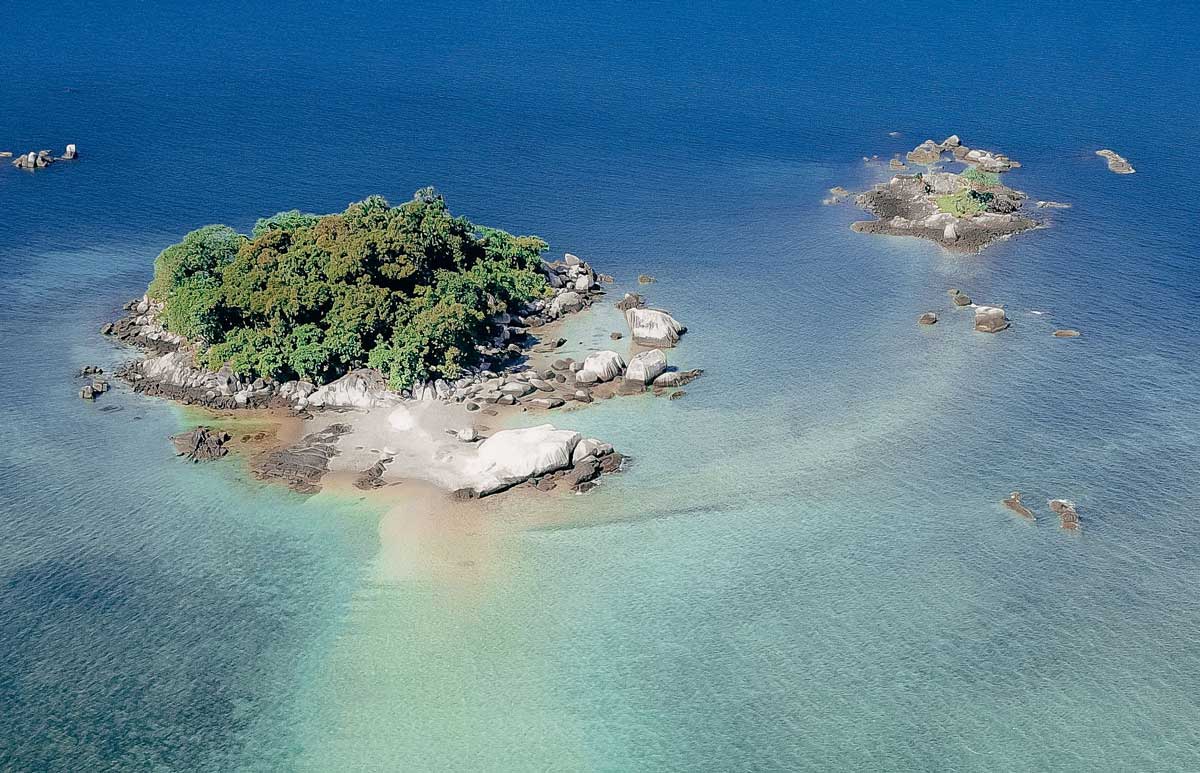
Understanding Lake Malawi Safety
Lake Malawi water safety is often misunderstood because the destination is perceived as calm, warm, and low-risk. Unlike ocean environments with waves and strong tides, Lake Malawi appears still and predictable. This creates a relaxed atmosphere where travellers naturally lower their guard.
However, while crime risk is very low across most of Lake Malawi, safety concerns are primarily environmental and health-related. The lake is vast, deep, and subject to changing conditions that are not always immediately visible.
Lake Malawi stretches across a large part of the country, with access points ranging from developed lodges to remote beach areas. Travellers often combine lake stays with safari experiences in parks such as Liwonde or Majete, meaning movement between regions is part of the journey.
The key risks in Lake Malawi are not dramatic or extreme. They are subtle and often linked to:
- Water conditions
- Health exposure
- Limited infrastructure in remote areas
- Transport and access challenges
Understanding Lake Malawi water safety is about awareness rather than caution. Travellers who understand how the lake behaves and how local systems operate can enjoy one of Africa’s most unique freshwater destinations safely.
Swimming and Water Conditions
Swimming is one of the main attractions of Lake Malawi. The water is warm, clear, and generally calm, making it ideal for recreational use. However, the lake’s size and depth mean that conditions can change depending on location and weather.
Unlike coastal environments, Lake Malawi does not experience tides, but it can be affected by:
- Wind-driven waves
- Sudden weather changes
- Variations in depth close to shore
In most lodge areas, swimming is safe and encouraged, particularly where beaches are managed and conditions are known.
However, risks can arise when:
- Travellers swim far from shore without awareness of depth
- Conditions change due to wind or weather
- Visibility decreases in certain areas
- Fatigue sets in during longer swims
A typical scenario:
A traveller swims out from a calm beach in the morning. Wind picks up later in the day, creating surface chop and making the return more difficult than expected. What began as a simple swim becomes physically demanding.
Safe swimming practices include:
- Staying within visible distance of shore
- Avoiding swimming alone
- Being aware of changing weather conditions
- Checking local advice before entering the water
Lake Malawi is generally safe for swimming, but distance and changing conditions must be respected.
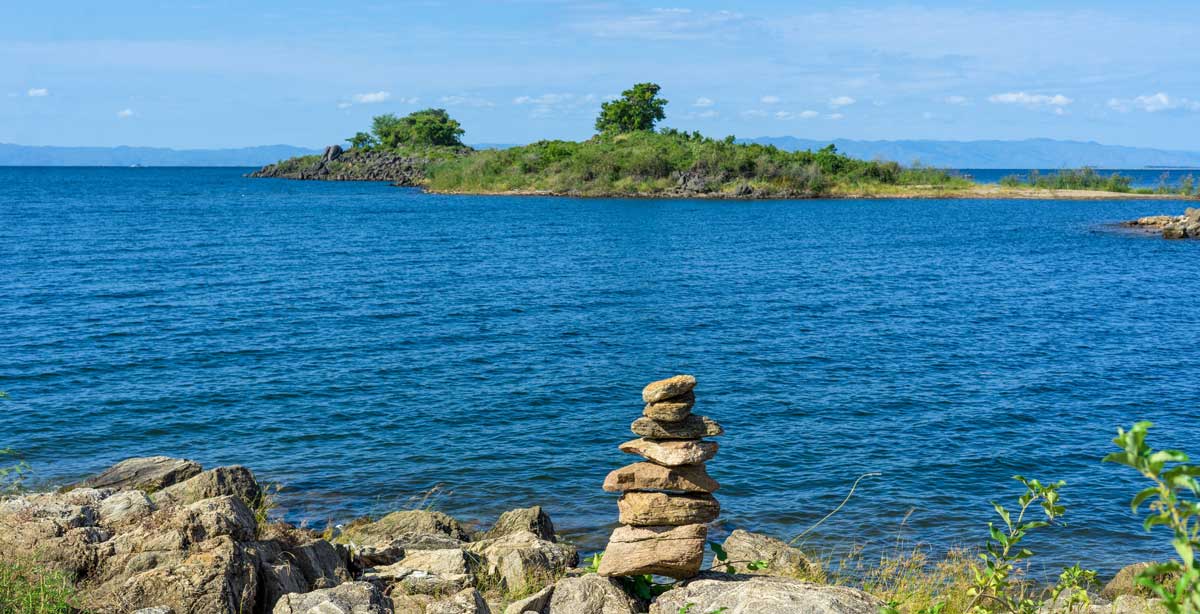
Health Risks and Awareness
The most important and often overlooked aspect of Lake Malawi water safety is health-related risk.
Certain areas of the lake are associated with waterborne parasites, particularly bilharzia (schistosomiasis). This risk varies by location and is often lower in well-managed lodge areas where water use is monitored.
Travellers should:
- Check with lodges about local water conditions
- Avoid swimming in areas where risk is known to be higher
- Consider preventative treatment if recommended
Other health considerations include:
- Dehydration due to sun exposure
- Minor injuries from rocks or submerged objects
- Insect exposure near water
A realistic scenario:
A traveller swims in an unverified area without checking local advice. While no immediate issue occurs, exposure to untreated water may result in infection later.
This does not mean avoiding the lake entirely. It means understanding where and how to swim safely.
Most established lodges provide guidance on safe swimming zones and take steps to reduce risk for guests.
Health awareness is a key part of Lake Malawi travel, but it is manageable with the right information.
Local Transport and Access
Movement around Lake Malawi introduces another layer of safety considerations. Unlike compact destinations, the lake spans a large geographic area, and access points vary in infrastructure and connectivity.
Travellers may move between:
- Different lakeside lodges
- Inland safari areas
- Regional towns and airports
Transport options include:
- Road transfers
- Boat transport between locations
- Domestic flights combined with road access
Road conditions can vary, particularly in rural areas where infrastructure is limited. Travel times may be longer than expected, and coordination between transport providers is essential.
Boat transport is common for accessing certain lodges or islands. While generally safe, conditions depend on:
- Weather
- Boat quality
- Operator standards
A common issue is underestimating travel time or assuming that movement between locations is simple. In reality, coordination is required to ensure smooth transitions.
Lake Malawi water safety is therefore not limited to the water itself. It includes how travellers move around the region.
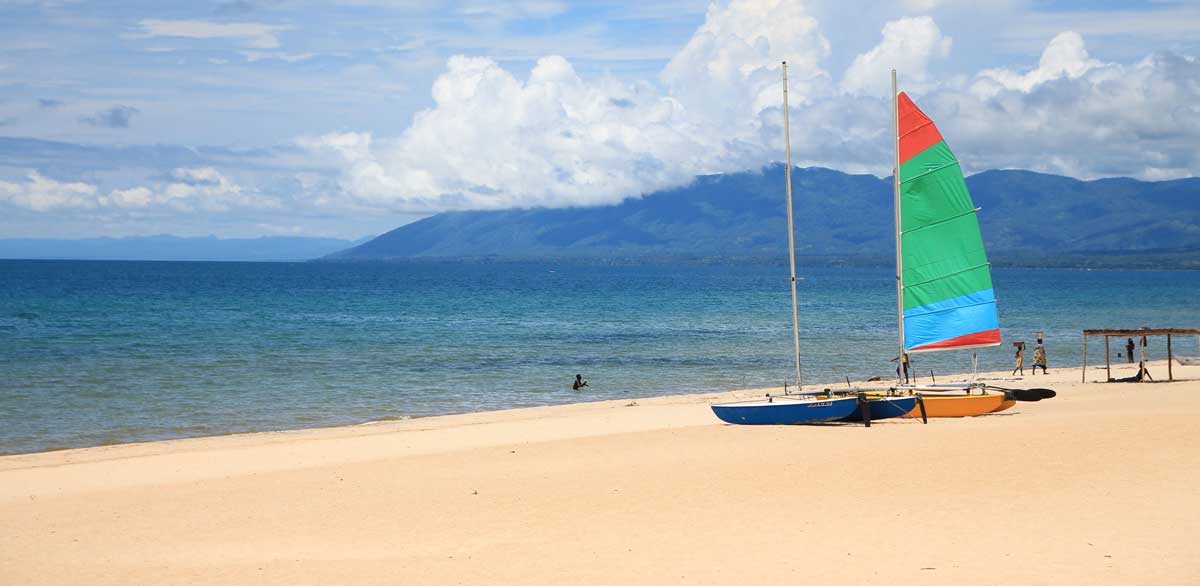
Emergency Response Around the Lake
Emergency response in Lake Malawi is influenced by location and access. Major towns have medical facilities, but remote lakeside areas rely on coordination to connect travellers with support.
Common challenges include:
- Distance from advanced medical care
- Limited immediate response in remote areas
- Communication gaps in certain locations
A realistic scenario:
A traveller experiences a medical issue at a remote lodge. Initial care is provided locally, but further treatment requires transport to a larger facility. Coordination takes time, particularly if road or boat transfers are involved.
Another scenario:
A minor injury occurs during a water activity. While not serious, accessing proper care requires organised transport and communication.
The key factor is response time. The sooner a situation is identified and coordinated, the easier it is to manage.
Preparedness, communication, and structured support systems all play a role in improving outcomes.
Travel Safety Apps and Water-Based Emergency Response
Lake Malawi water safety is significantly improved when travellers have access to immediate communication and coordinated support.
TravelSafe SOS provides a structured emergency response system that allows travellers to trigger assistance instantly. This is particularly valuable in lakeside environments where response may not be immediate.
The system enables:
- Real-time location sharing
- Immediate alert activation
- Coordination of medical or logistical response
- Communication with insurer, travel agent, and next of kin
In practical terms, this means that if a water-related incident, health issue, or travel disruption occurs, response begins immediately.
This reduces delays, improves coordination, and ensures that travellers are not managing situations alone.
In a destination like Lake Malawi, where environments are relaxed but infrastructure can be limited, this level of support adds a critical layer of safety.