
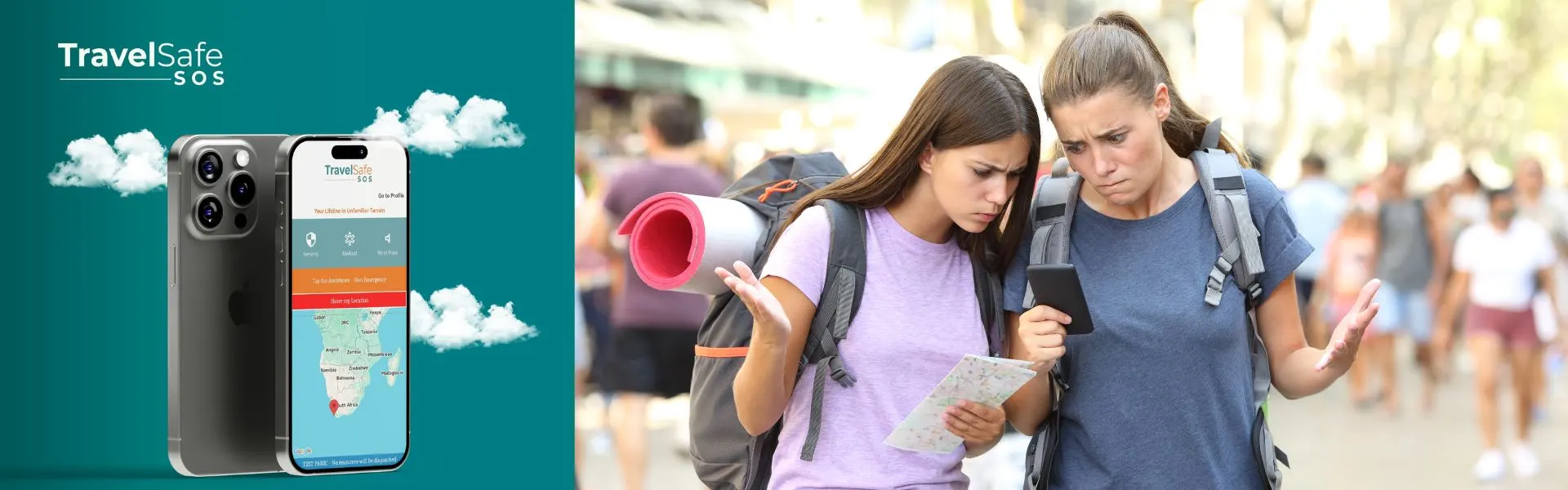
How Groups Can Stay Connected and Protected During Africa Travel
Travelling as a group in Africa can be rewarding and memorable. Families, tour groups, student travellers, safari groups, business delegations, and friends explore destinations across Southern and East Africa every year. But even well organised trips sometimes face unexpected situations where someone becomes separated from the group. In busy cities, national parks, airports, markets, ferry terminals, and remote regions, separation can create anxiety and potential safety risks.
Africa Group Travel Safety 2026 helps travellers and tour operators understand what to do immediately when someone becomes lost or separated and how to prevent these situations from escalating into emergencies.
Why Travellers Become Separated in Africa
Group separation is more common than travellers realise. Factors include:
- Busy markets, crowded tourist zones, or chaotic transport hubs
- Delays at immigration or airport checkpoints
- Different walking speeds in unfamiliar cities
- Large safari vehicles carrying mixed groups
- Distractions during photography or shopping
- Transport or transfer confusion
- Poor mobile signal in rural or wilderness regions
- Misinformation about meeting points
Understanding why separations happen helps travellers anticipate and prevent them.

Immediate Steps To Take When Someone Becomes Separated
Remain Calm and Stop Moving
Panic causes confusion and reduces the chance of reuniting quickly. Remaining in one place often helps the group reconnect faster.
Use TravelSafe SOS for Immediate Support
The separated traveller or a group leader should activate TravelSafe SOS for assistance. The control center calls immediately, confirms the situation, and guides the next steps. GPS tracking helps determine whether the traveller is moving, lost, or stationary.
Contact the Group Leader or Guide
Tour leaders and safari guides have established protocols for separation. They can coordinate vehicle returns, contact park authorities, or alert lodge teams.
Return to the Last Shared Location
Whether it is a market, hotel, airport checkpoint, or park viewing point, returning to the last mutual location helps reconnect efficiently.
Avoid Wandering or Splitting Further
Additional movement makes reunification more difficult. Remaining in predictable, visible areas improves safety.
High Risk Areas Where Groups Often Separate
Airports and border posts are common separation points because immigration queues, customs procedures, security checks, and luggage issues can easily split groups. Establishing clear meeting points before entering these areas helps prevent confusion. Lively markets and city centers such as those in Cape Town, Nairobi, Dar es Salaam, Kampala, Maputo, and Stone Town can also create separation risks, so groups should move slowly, stay visually connected, and use simple hand signals to maintain cohesion.
National parks present another challenge, as travellers often become distracted by wildlife sightings, photography opportunities, or comfort breaks. Guides work to keep groups together, but separation can still happen. Beaches and waterfront areas in Zanzibar, Seychelles, Mauritius, and Mozambique can become crowded, particularly around sunset or after water activities, making it easy for someone to drift away from the group. Boat and ferry terminals add an additional layer of risk, where incorrect boarding or rapidly changing tide and transport timings can lead to group members ending up on different vessels.

How TravelSafe SOS Supports Group Travel Across Africa
Group travel requires fast response when someone becomes separated. TravelSafe SOS improves safety with:
- A 24 hour control center that calls the traveller immediately
- GPS location tracking
- Coordination support for tour leaders
- Local emergency response activation if required
- Assistance even when mobile signal is weak
- Multi country coverage for groups travelling across borders
This ensures that both the separated traveller and the group have clear information and support during stressful moments.
Preventing Group Separation Before It Happens
Groups can stay together more effectively by choosing clear meeting points such as entrances, landmarks, cafes, or shaded structures, and by using simple buddy systems so no one moves without their partner. Sharing itineraries digitally ensures every traveller has the daily schedule, key addresses, and transport details. Carrying local SIM cards or enabling roaming improves communication, even with basic signal.
Finally, agreeing on safety procedures, including how to use TravelSafe SOS if someone becomes separated, ensures everyone knows exactly what to do in an unexpected situation.
Special Considerations for Safari Groups
Safari environments require additional awareness. Travellers should:
- Stay close to vehicles at all times
- Avoid walking away from the group
- Inform the guide before leaving for rest stops
- Follow instructions during wildlife sightings
- Avoid wandering while taking photographs
The wilderness adds invisible risks such as wildlife, limited signal, and long distances between landmarks. TravelSafe SOS helps guides and travellers coordinate in these isolated areas.

Why Group Travel Safety Matters in 2026
With increased travel to Africa, mixed skill levels within groups, and busy tourist hubs, separation can occur even during well planned itineraries. Fast response reduces stress, avoids unnecessary panic, and ensures safety without relying on local bystanders or unverified help.
Modern safety tools and group awareness are becoming essential parts of travel planning.
Stay Safe with Real Time Support when Groups Become Separated
When a group member goes missing or loses contact, rapid coordination is essential. TravelSafe SOS gives group leaders, families, and operators immediate access to trained responders who guide the situation, track the traveller’s location, and coordinate local support when needed. For group travel in Southern and East Africa, this level of real time assistance offers reassurance that no traveller is ever truly alone, even in remote or unfamiliar environments.
Download TravelSafe SOS to keep your group connected, protected, and supported across Africa’s cities, safari regions, and transport networks. It provides instant emergency coordination, accurate location tracking, and dependable assistance whenever someone becomes separated or needs help.


FAQs Group Traveller Safety in Africa
What should I do first if someone in our group gets separated
Stop moving and contact them immediately. If they are unreachable, activate TravelSafe SOS for support.
How can TravelSafe SOS help find a separated traveller
The platform uses GPS tracking and direct communication to identify where the person is and guide them to safety.
What if separation happens in a busy city
Move to a public area, avoid walking further into unfamiliar streets, and use the last shared location as a reference point.
How common is separation during safari travel
It happens more often than travellers realise, usually during photo stops or rest breaks. Staying near the vehicle prevents most incidents.
Can separation happen at airports in Africa
Yes. Immigration queues and security processes frequently spread groups apart. Clear meeting points reduce confusion.
What should children or older travellers do if separated
They should remain in one place, avoid talking to strangers, and activate TravelSafe SOS or alert security personnel.
Why do groups need a safety app in Africa
Because local services vary and situations unfold quickly. TravelSafe SOS provides immediate support, coordination, and reassurance during separation incidents.