

Why Africa Road Safety Requires New Awareness
Africa’s landscapes offer some of the most extraordinary road journeys in the world. Self drive travellers explore South Africa’s coastal highways, Namibia’s desert routes, Botswana’s wildlife corridors, Tanzania’s national parks, Kenya’s highlands, and Mozambique’s coastline. While these routes provide unforgettable experiences, driving in Africa requires situational awareness, preparation, and a clear understanding of local risks.
Africa Road Safety in 2026 explains the real challenges of driving in Southern and East Africa and offers practical guidance for staying safe on the road, whether travellers use rental vehicles, 4x4s, or guided transport.
Why Road Safety Matters More in 2026
Road travel remains one of the most common ways to explore the continent, but infrastructure, weather, wildlife corridors, and regional differences create unique conditions. Travellers often underestimate:
- Long distances between towns
- Limited fuel in remote areas
- Poor signage in rural regions
- Changing weather patterns
- Wildlife crossing roads without warning
- Potholes and gravel roads
- Local driving styles
- Weak mobile signal on major routes
Understanding these realities helps travellers prepare effectively and avoid preventable incidents.
Common Road Risks Travellers Face in Africa
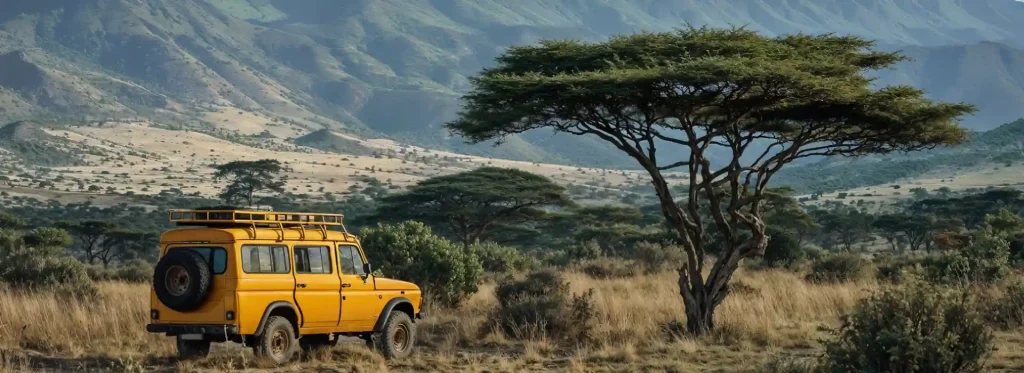
Long Distances and Driver Fatigue
Routes in Namibia, Botswana, Tanzania, and South Africa can stretch for hundreds of kilometres between towns. Fatigue increases reaction times and contributes to accidents. Travellers should plan regular rest stops and avoid driving after dark.
Wildlife on the Roads
Elephants, antelope, cattle, donkeys, baboons, and even predators may appear on highways or gravel tracks. Wildlife collisions are a major risk, especially at dawn and dusk when visibility is low.
Gravel, Sand, and Potholes
Many roads outside urban centres are unpaved. Gravel reduces braking efficiency, while sand causes vehicles to get stuck or slide. Heavy rains worsen potholes.
Weather Conditions
Storms, flooding, and extreme heat can make roads difficult or dangerous. Heat affects tyre pressure and engine performance while rain reduces traction.
Navigation Challenges
GPS systems do not always recognise closed routes or unsafe shortcuts. Some travellers become lost in sparsely populated regions.
Vehicle Reliability
Breakdowns in remote areas pose significant safety risks. Travellers should inspect the vehicle’s tyres, water, oil, spare equipment, and tools before departure.
Driving Safety in Key African Regions

Southern Africa
South Africa, Namibia, Botswana, Zimbabwe, and Zambia offer excellent self drive opportunities. Risks include potholes, wildlife crossings, high traffic in cities, and long distances between services.
East Africa
Kenya, Tanzania, Uganda, and Rwanda have diverse road conditions. Travellers often encounter unpredictable weather, rural traffic, and varied infrastructure.
Mozambique
Coastal highways and inland routes can be affected by storms, potholes, and intermittent roadwork. Long stretches between fuel stations require planning.
How TravelSafe SOS Supports Road Travellers
TravelSafe SOS enhances Africa Road Safety 2026 by offering real time support, especially in remote or low signal areas. Features include:
- Immediate callback when SOS is activated
- GPS location tracking for road emergencies
- Coordination of roadside assistance and tow services
- Support during breakdowns or accidents
- Weather alerts that warn of unsafe driving conditions
- Offline capability for emergencies without signal
- Assistance when travellers feel unsafe or lost
This gives road travellers confidence and ensures they are never without support.

Practical Road Safety Tips for Africa in 2026
Plan Routes in Advance
Research distance, road conditions, fuel stops, and weather patterns. Avoid relying solely on GPS.
Avoid Night Driving
Visibility is reduced at night and wildlife is more active. Most rural roads have minimal lighting.
Carry Extra Water and Supplies
Long stretches of road offer no services. Water, snacks, and basic tools are essential.
Check Tyres Regularly
Tyre pressure changes with heat. Proper inflation improves safety and fuel usage.
Drive Defensively
Expect unpredictable movements from wildlife, pedestrians, and rural traffic.
Keep Communication Tools Ready
Local SIM cards, power banks, and emergency apps improve safety significantly.

Emergency Situations and How To Respond
Vehicle Breakdown
Stop safely, turn on hazard lights, remain inside the vehicle if conditions are unsafe, and contact TravelSafe SOS.
Accidents
Avoid moving injured persons unless necessary for safety. Activate SOS immediately for emergency coordination.
Road Blockages
Storms, floods, or fallen trees may block rural routes. Travellers should wait in a safe place and avoid attempting risky detours.
Why Road Travel Is Safer With Digital Support
Real time access to help improves road safety dramatically. TravelSafe SOS provides an operational safety layer that traditional maps, guidebooks, and insurance cannot offer. Whether travellers face mechanical issues, health concerns, or route confusion, the ability to call for immediate support changes the outcome.
Stay Safe on the Road With Real Time Support in 2026
Driving in Africa offers freedom and adventure, but it also requires a reliable backup plan. TravelSafe SOS provides real human support, regional guidance, and emergency coordination when incidents occur on remote highways, gravel roads, or wildlife corridors. If you want to explore Africa’s most iconic routes safely, this is the essential tool for every road traveller.
Download TravelSafe SOS to access immediate assistance across all major African road networks. The app supports travellers even in areas with weak signal and coordinates help when breakdowns, medical issues, or emergencies occur. It is the easiest way to strengthen your road safety plan for any African driving adventure.
FAQs, Traveller Questions Answered
Is road travel in Africa safe for tourists
Yes. Millions of travellers explore Africa’s roads safely each year. Awareness, preparation, and real time support improve safety significantly.
What should I do if my vehicle breaks down
Move to a safe spot, stay inside if the area is unfamiliar, and activate TravelSafe SOS for roadside coordination.
Is it safe to drive at night in Africa
No. Night driving increases risks from wildlife, pedestrians, and reduced visibility. It is strongly discouraged.
How do I stay safe on gravel roads
Reduce speed, avoid sudden braking, and maintain safe following distances. Gravel reduces traction and increases stopping distances.
Can weather make African roads unsafe
Yes. Floods, storms, heat, and wind affect traction, visibility, and road stability. Weather alerts through TravelSafe SOS help travellers adjust plans.
Do I need a 4x4 for driving in Africa
Not always, but many remote routes in Namibia, Botswana, Tanzania, and Mozambique require one. Always check route conditions beforehand.
Why is a safety app important for road trips
Because emergencies happen far from assistance. TravelSafe SOS provides real time guidance, GPS coordination, and emergency response across multiple countries.