
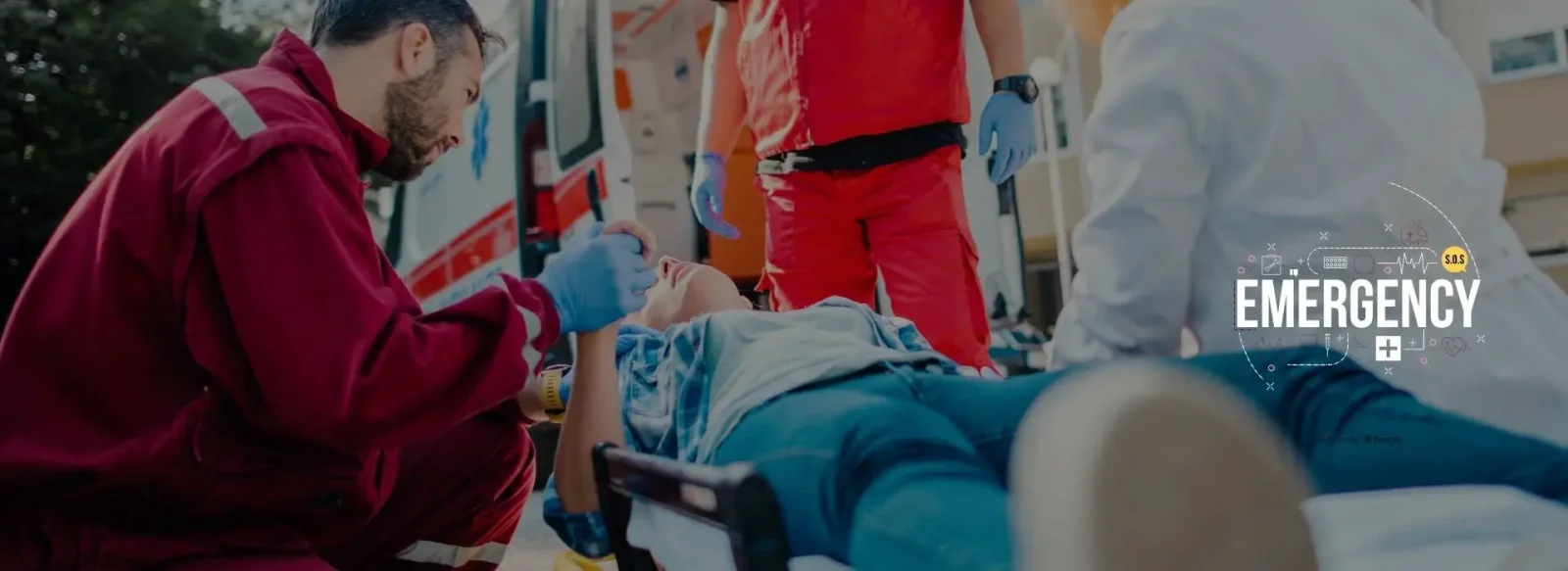
Why Africa Emergency Response Requires a Clear Personal Plan
Travelling through Africa can be one of the most enriching experiences in the world. Travelers explore deserts, savannas, rainforests, islands, and vibrant cities across Southern and East Africa. But many worry about what would happen if they faced an emergency while alone. Whether it is a medical crisis, a security situation, an accident, a breakdown, or getting lost in a remote area, travellers often fear having no one to rely on.
Africa Emergency Response in 2026 helps travellers understand exactly what to do in these situations. With the right preparation, awareness, and digital support, travellers can handle emergencies with calm, clarity, and confidence.
Why Travellers Fear Being Alone During an Emergency
When visitors travel with groups or tour operators, someone is usually available to help. But solo travellers, self drive explorers, hikers, divers, and photographers often find themselves in isolated places. The fear comes from unanswered questions.
- What if I collapse far from a clinic
- What if my vehicle breaks down in a remote area
- Who will guide me if I get lost
- What if there is no mobile signal
- What if I feel unsafe in a city or border area
These concerns are valid, especially in countries where distances are long, medical facilities vary, and infrastructure outside cities can be limited. The key is having a structured plan and using tools that provide immediate support.
First Steps, What To Do During Any Emergency

Stay Calm and Assess the Situation
Panic reduces your ability to make good decisions. Take a moment to understand your surroundings, your condition, and any immediate threats.
Move to a Safe Location If Possible
If you are near traffic, unstable ground, crowds, or wildlife, move to a safer position. Avoid taking unnecessary risks, especially at night or in remote areas.
Use TravelSafe SOS Immediately
The moment you activate SOS, the 24 hour control center calls you. Whether you have a medical issue, breakdown, safety concern, or are lost, the team provides guidance and dispatches responders when needed. This removes the guesswork and ensures you are not handling the situation alone.
Do Not Rely on Bystanders or Unverified Individuals
Although many locals are helpful, emergency situations attract attention and can create confusion. Follow the instructions of trained professionals or security personnel instead.
Medical Emergencies
If you are ill, injured, or unsure about your symptoms, activate TravelSafe SOS. The control center will help assess the issue, locate the nearest appropriate medical facility, coordinate transport, and alert responders. This is essential in rural areas or national parks where clinics may be far away.
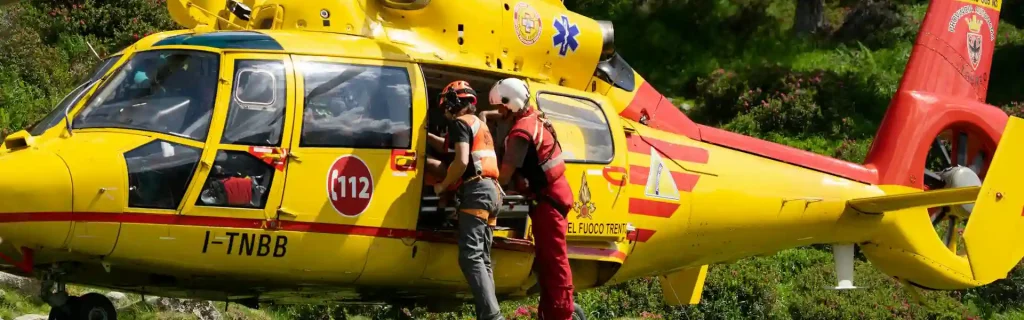
Vehicle Breakdowns and Road Incidents
Breakdowns are common on long routes in Namibia, Botswana, South Africa, Tanzania, and Mozambique. If you cannot continue safely, pull off the road, switch on hazard lights, and contact TravelSafe SOS for help. The team can arrange roadside assistance, guide you through temporary fixes, or organize a tow.
Security Concerns in Urban Areas
If you feel unsafe in a city like Nairobi, Johannesburg, Kampala, Maputo, or Dar es Salaam, do not confront the situation. Move to a public location such as a shop or hotel reception and call TravelSafe SOS. The team can guide your next steps and contact local support if needed.
Getting Lost in a Remote Area
Travellers can lose their bearings in national parks, deserts, wetlands, or mountains. Stop moving, conserve energy, and activate TravelSafe SOS. The team uses your last known location, map data, and satellite routing to guide you to safety or dispatch search teams if required.
Weather Related Emergencies
Cyclones, storms, flash floods, extreme heat, and sudden sea conditions can appear without warning. Travellers should prioritize shelter and avoid risky decisions such as crossing flooded roads or continuing hikes during storms. TravelSafe SOS provides real time weather alerts and response support.

How TravelSafe SOS Changes Emergency Response in Africa
Traditional travel insurance does not send help during an emergency. It pays bills afterwards. Travellers often misunderstand this difference until they need support urgently. TravelSafe SOS fills the gap between incident and response by offering:
- An immediate call from a 24 hour operations team
- Location verification and tracking
- Medical coordination and hospital routing
- Security guidance and local support activation
- Assistance during low signal or offline situations
- Multi country coverage across Southern and East Africa
Travellers gain peace of mind knowing that even if they are alone, they are never unsupported.
Why Immediate Response Matters in Africa
In Africa, distances are long and local emergency services vary between countries. Rapid response is vital in situations involving dehydration, heat stroke, animal encounters, allergic reactions, vehicle rollovers, marine injuries, and water incidents.
Fast intervention reduces risk, lowers stress, and shortens recovery times. Travellers equipped with TravelSafe SOS experience safer journeys, quicker resolutions, and greater confidence exploring remote regions.

Stay Protected with Real Time Emergency Support Across Africa
Being alone during an emergency does not mean being unsupported. TravelSafe SOS provides instant contact with trained responders, accurate location tracking, and coordinated assistance across Southern and East Africa. Whether dealing with a medical issue, safety concern, breakdown, or navigation problem, travellers have a reliable team ready to guide every step.
Download TravelSafe SOS to access fast, real time emergency support anywhere in Africa. It ensures you have the assistance you need, even when travelling alone or far from help.
FAQs Travel Emergency Africa Alone
What should I do first if I face an emergency alone in Africa
Stay calm, move to a safe area if possible, and activate TravelSafe SOS. The control center will assess your situation and guide your next steps.
How does TravelSafe SOS help in remote areas
The app stores your emergency details offline, and your SOS automatically sends when signal returns. The control center then calls you and coordinates the support you need.
What if I have a medical emergency far from a hospital
TravelSafe SOS identifies the nearest suitable facility, arranges evacuation if required, and provides real time guidance until help arrives.
What should I do if I feel unsafe in a city
Move to a public location, avoid confrontation, and contact TravelSafe SOS. The operations team will advise you and notify appropriate local resources if necessary.
How do I handle a vehicle breakdown alone
Find a safe stopping point, remain inside the vehicle if you feel unsafe, and activate TravelSafe SOS. Roadside recovery or tow services will be arranged for you.
Is it safe to hike or explore remote areas alone
Yes, but only with preparation. Travellers should inform someone of their plans and rely on TravelSafe SOS for support when unexpected issues occur.
Why is having a safety app essential for Africa travel
Because traditional insurance does not provide immediate help during a crisis. TravelSafe SOS offers real time response, which is crucial when travelling alone or far from assistance.