
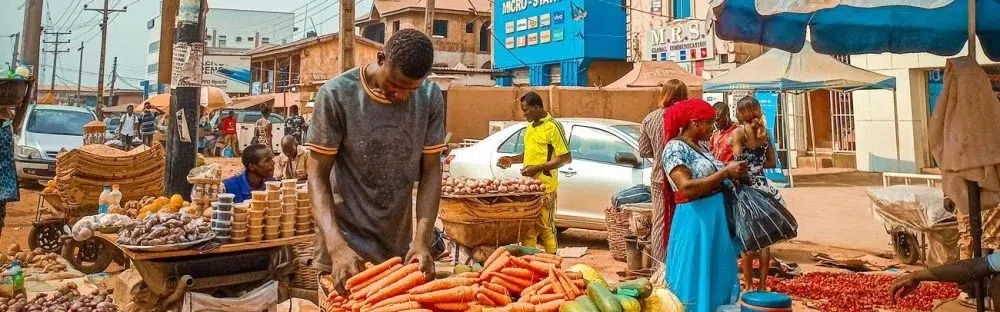
Understanding Safety in Africa’s Major Cities
Urban exploration is one of the most rewarding parts of travel in Africa. Cities like Cape Town, Nairobi, Dar es Salaam, Kigali, Johannesburg, Windhoek, Maputo, Kampala, and Lusaka offer world class food, culture, nightlife, and experiences that travellers cannot find anywhere else. Yet it is also true that urban environments come with different safety considerations compared to safari regions, national parks, and beach destinations.
The Africa City Safety Guide helps travellers understand how to navigate major African cities with confidence. It explains the real risks, the areas where travellers should be cautious, and how to combine awareness with modern safety tools for complete peace of mind.
Why Travellers Worry About African City Safety
For visitors from Europe, the USA, Australia, and Asia, African cities can feel unfamiliar. The pace is faster, traffic is more unpredictable, infrastructure varies between districts, and levels of street awareness differ from what travellers are used to at home. Online discussions and outdated stereotypes sometimes exaggerate risks without offering practical guidance.
In reality, Africa’s most visited cities are safe for millions of tourists every year. The key is understanding how to move confidently and use reliable information rather than relying on outdated assumptions.

Cape Town, South Africa, How to Explore Safely
Cape Town remains one of the most beautiful and visited cities in Africa. Travellers enjoy Table Mountain, Camps Bay, the Cape Winelands, and the vibrant culinary scene. The city is generally safe in tourist friendly districts like the V&A Waterfront, Sea Point, Green Point, Camps Bay, and the Atlantic Seaboard.
Common issues involve distraction, petty theft, and wandering into unfamiliar areas late at night. Using trusted transport, avoiding isolated streets, and staying alert near crowded areas keeps visitors safe. TravelSafe SOS adds reassurance with real time alerts and support if travellers feel unsafe or need guidance.
Nairobi, Kenya, A Bustling Gateway to East Africa
Nairobi is a major regional hub for safari travel, business, and adventure tourism. The city is known for its fast pace and diverse neighbourhoods. Travellers often stay in Westlands, Karen, Lavington, Kilimani, and Gigiri. These areas are safe, lively, and equipped with hotels, restaurants, and transport services.
Petty crime occurs in crowded areas and around transport hubs, so awareness is essential. Many visitors also use rideshare services for safe movement around the city. TravelSafe SOS helps travellers receive local alerts and support if a situation feels uncomfortable.
Dar es Salaam, Tanzania, A Growing Coastal Metropolis
Dar es Salaam is a gateway to Zanzibar, Selous, and southern Tanzania. The city is generally friendly, but it is busy and requires awareness of surroundings. Travellers should use registered taxis or rideshare services, especially at night. Districts like Masaki, Oyster Bay, and Upanga are popular and safe for travellers.
The main risks involve traffic, congestion, and opportunistic petty theft. Keeping valuables secure and staying informed through TravelSafe SOS alerts helps travellers navigate confidently.
Kigali, Rwanda, One of Africa’s Safest and Most Organized Cities
Kigali is known for its cleanliness, order, and safety. Travellers consistently describe it as one of the easiest African capitals to navigate independently. Pedestrian areas, modern infrastructure, and low levels of petty crime make it ideal for first time visitors.
Even so, general travel awareness is useful. Travellers should use official taxis, avoid isolated areas late at night, and follow local guidance. TravelSafe SOS provides an added layer of reassurance for solo travellers or visitors unfamiliar with the region.
Key Safety Principles for All African Cities
Choosing accommodation in recommended areas reduces risk and keeps travellers close to reliable transport, dining and activities. Using verified rideshare apps is safer than informal taxis, and keeping phones and valuables out of sight prevents most petty theft incidents. Staying aware of your surroundings and checking local updates improves safety in unfamiliar areas. A dedicated safety app like TravelSafe SOS adds another layer of protection by offering real time alerts and 24 hour emergency support while navigating African cities.
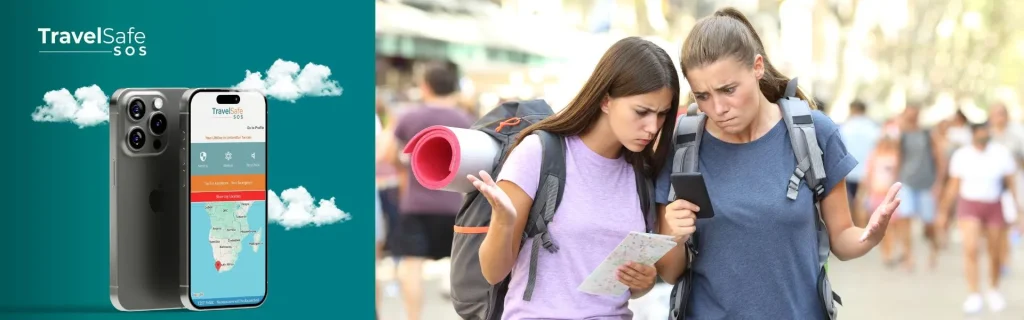
Your Urban Safety Support Across African Cities
TravelSafe SOS gives travellers real time alerts, location based guidance and immediate emergency support while exploring busy cities. Whether navigating unfamiliar neighbourhoods, dealing with transport issues or needing help during a stressful moment, the control center provides step by step assistance. This ensures travellers remain informed and supported throughout their stay in Africa’s most dynamic urban hubs.
Download TravelSafe SOS to receive instant safety guidance while exploring African cities. The app offers 24 hour support, real time location sharing and access to trained responders. Stay confident and prepared wherever your city journey takes you.
FAQs African City Safety
Are African cities safe for tourists in 2026
Yes. Cities like Cape Town, Nairobi, Kigali and Dar es Salaam are safe for millions of visitors each year. Awareness, preparation and staying in recommended districts improve the overall experience significantly.
Which African cities are considered safest
Kigali is widely regarded as one of Africa’s safest capitals. Parts of Cape Town, Nairobi, Windhoek and Gaborone are also safe when travellers follow local guidance and remain in popular districts.
What is the main safety risk in African cities
Petty theft is the most common issue, particularly involving mobile phones and small bags. Staying alert in crowded areas and keeping valuables secure prevents most incidents.
Should travellers use public transport
Public transport is available but can be confusing or inconsistent. Many travellers prefer rideshare apps or hotel recommended taxis because they offer safer and more reliable movement.
Is it safe to walk around at night
Walking at night is possible in some cities but should be approached with caution. Stick to well lit, busy areas and avoid walking alone in unfamiliar neighbourhoods.
What should travellers do if they feel unsafe
If a traveller feels unsure or uncomfortable, they can activate TravelSafe SOS. The control center will call, assess the situation and provide immediate guidance or assistance.
Do solo travellers need extra precautions in African cities
Yes. Solo travellers should stay in central areas, use verified transport, avoid isolated locations after dark and rely on TravelSafe SOS for additional support when needed.