
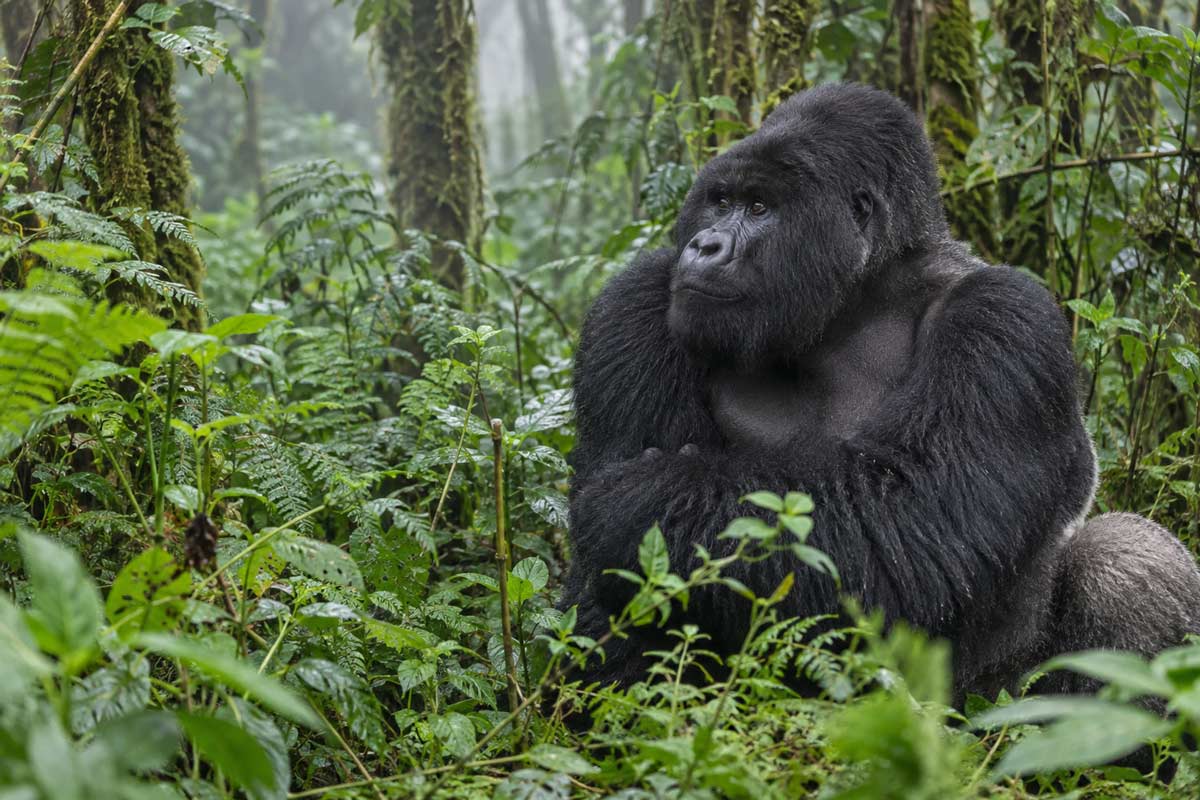
Is Gorilla Trekking Safe?
Gorilla trekking in Uganda and Rwanda is generally safe when it is undertaken through the official wildlife authorities, with trained guides and established park procedures. The encounter with the gorillas is carefully controlled. For most travellers, the more realistic risks are steep ground, slippery trails, fatigue, dehydration, altitude, falls and an unexpected medical problem far from advanced medical care.
This is why preparation should extend beyond choosing the right boots or improving your fitness. Before entering the forest, you need a clear emergency pathway that connects you with people who can assess what has happened, coordinate appropriate available assistance and alert those responsible for supporting you.
TravelSafe SOS provides that pathway.
If a transmitted SOS alert reaches the TravelSafe SOS control centre, an operator will attempt to contact you, assess the available information and begin coordinating an appropriate response. Your registered medical information, insurer, travel agent and nominated next of kin can be immediately available when every minute matters.
Registering before your gorilla trek does not suggest that the activity is unsafe. It means you are prepared if an otherwise manageable incident becomes an emergency in a remote environment.
The Real Risk Is the Time Between an Incident and Assistance
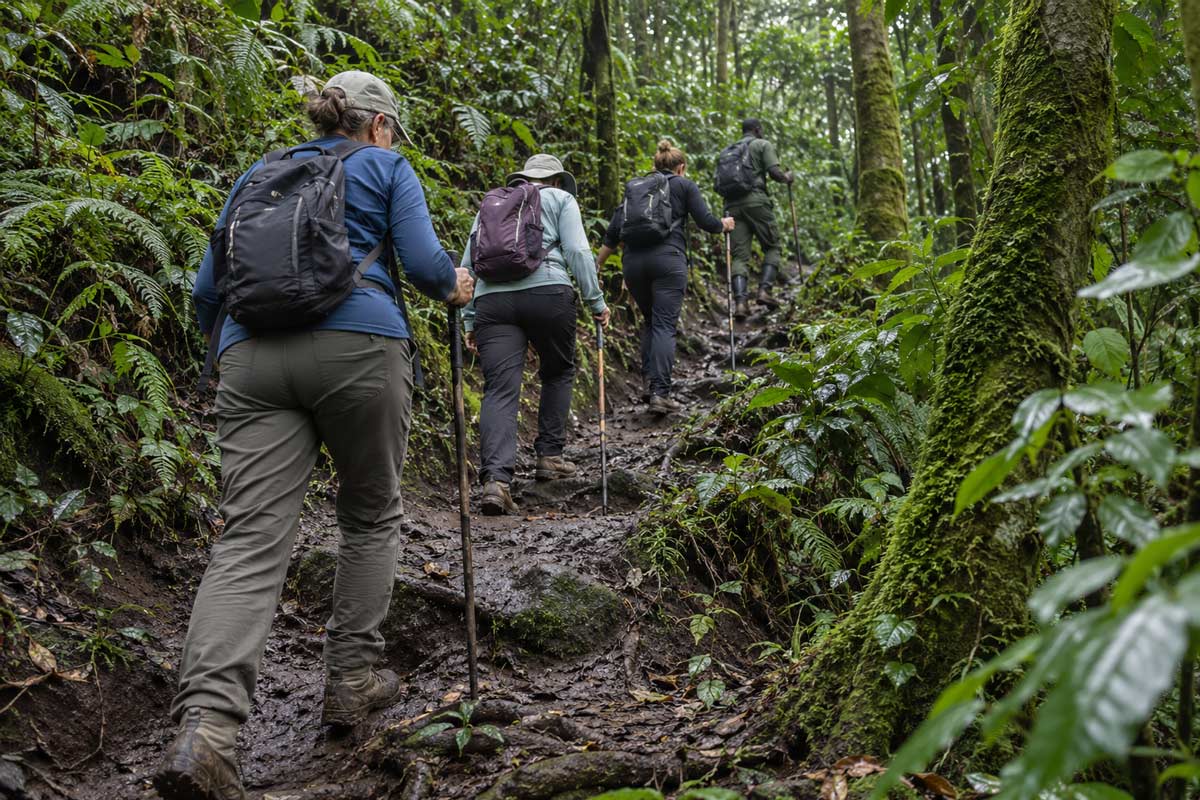
A gorilla trek can take you through dense forest, mud, exposed roots and steep slopes. The gorillas move naturally, so nobody can guarantee how far you will walk, how long the trek will take or how difficult the terrain will be on the day.
Imagine becoming dizzy, breathless or unsteady on a steep forest section. Your guide can stop the trek, manage the immediate situation and activate the park’s established procedures. However, a serious medical incident may still require communication with a lodge, tour operator, insurer, medical provider or evacuation service.
The greatest vulnerability is often not the incident itself. It is the delay while people establish:
- Who the traveller is
- Where the incident has occurred
- Whether an existing medical condition may be relevant
- Which insurer and assistance provider must be contacted
- Which local service is available to respond
- Who should keep the family and travel agent informed
TravelSafe SOS is designed to reduce that avoidable uncertainty. When your profile has been completed before travel, the control centre does not have to begin by searching for essential information while you are injured, frightened or unable to communicate clearly.
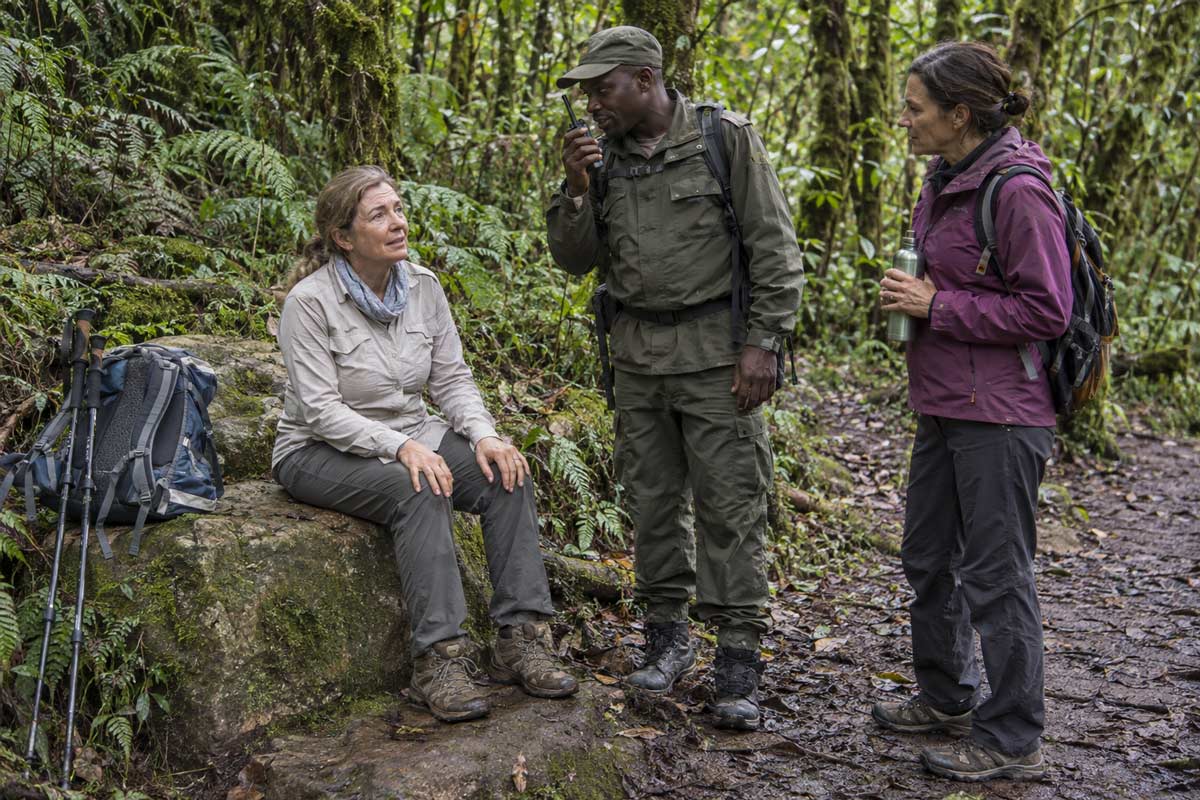
Uganda and Rwanda Present Different Challenges
Gorilla trekking takes place in Bwindi Impenetrable National Park and Mgahinga Gorilla National Park in Uganda, and Volcanoes National Park in Rwanda. All three destinations operate guided and regulated trekking experiences, but they should not be treated as identical.
Uganda’s gorilla trekking areas include different sectors, trailheads and access routes. Bwindi’s dense vegetation and steep terrain can make some treks physically demanding. The distance between the traveller, the trailhead, the lodge and suitable medical care will depend on the exact sector and itinerary.
Rwanda’s Volcanoes National Park is generally reached through more developed road connections, but the trek itself may still involve altitude, mud, uneven volcanic terrain and sustained climbing. Easier road access does not remove the possibility of an emergency inside the forest.
In either country, emergency planning must be based on the traveller’s actual itinerary. Registering “Uganda” or “Rwanda” is not enough. Your accommodation, trekking location, travel-agent details, medical profile and insurance information should be accurate and available before trekking day.
How Fit Do You Need to Be?
You do not need to be an athlete, but you should be comfortable walking for several hours over uneven ground. The forest may be wet, humid and slippery, and the trek can include steep ascents and descents.
Preparation should begin before the holiday. Regular walking, hills or stairs can help you judge your endurance more honestly. Broken-in walking shoes, suitable rain protection, water and any essential medication should accompany you on the trek.
Where porters are available, using one can reduce fatigue and provide practical support over difficult terrain. You should also tell your guide and tour operator about relevant mobility concerns before the trek begins. Do not conceal a health problem because you fear missing the experience. Accurate information helps the people responsible for you make safer decisions.
TravelSafe SOS strengthens this preparation by keeping your essential emergency information connected to a control centre. If you cannot explain your medical history clearly during an incident, the information registered in advance may assist the assessment and coordination process.
Existing Medical Conditions Require a Better Emergency Plan
Travellers with heart or respiratory conditions, diabetes, severe allergies, limited mobility, previous joint injuries, poor balance or a history of altitude-related illness should obtain individualized medical advice before travelling.
A doctor can assess whether the activity is appropriate for you, but medical clearance alone does not create an emergency response plan. You must still know how your insurer will be contacted, what evacuation cover you have and how your travel companions will access essential information.
Complete your TravelSafe SOS profile with:
- Relevant medical information
- Current medication
- Travel-insurance and assistance details
- Your registered travel agent
- Your nominated next of kin
- Your Uganda or Rwanda itinerary
- Your lodge and tour-operator information
Do this before leaving home. An incomplete profile created hurriedly at a lodge cannot provide the same value as accurate information checked in advance.
Do Not Trek If You Are Ill
Travellers showing symptoms of an infectious illness may not be permitted to visit the gorillas. This is not simply a visitor-safety rule. Mountain gorillas are vulnerable to human respiratory infections, and protecting them is part of every traveller’s responsibility.
If you develop a cough, fever, respiratory symptoms or another illness, inform your guide or tour operator immediately. Do not hide symptoms to protect the cost of a permit or preserve the itinerary.
Illness can also reduce your ability to manage altitude, exertion, heat and difficult terrain. Beginning the trek when you are already unwell increases the risk that you will require assistance in a location where evacuation may be slow and physically complicated.
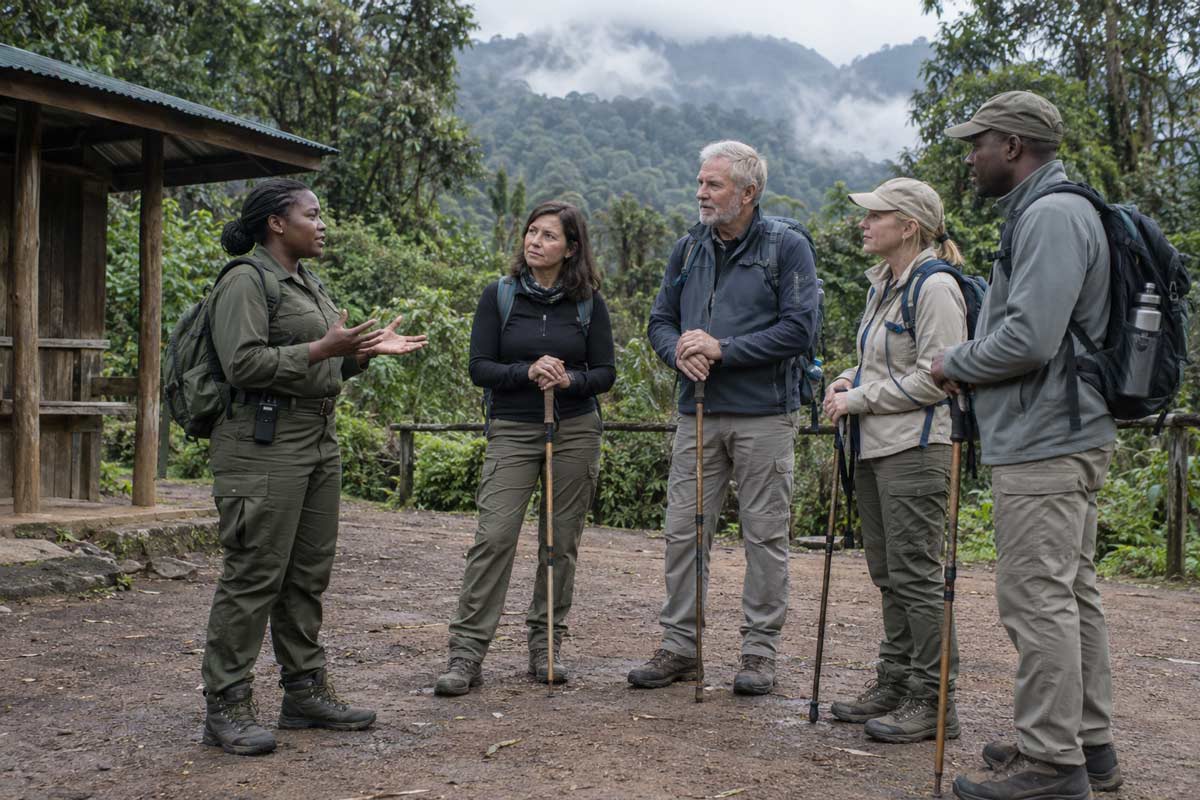
Preparation Must Start Before Trekking Day
A safe gorilla trek begins long before the ranger briefing.
Confirm the correct park, trekking sector, trailhead and departure time. Ask your tour operator what happens if you become ill or injured, what communication systems the guide carries and how evacuation would be coordinated. Check that your travel insurance covers the activity and includes suitable emergency medical and evacuation assistance.
Then register for TravelSafe SOS and complete your emergency profile.
The app does not replace your guide, the wildlife authority, the tour operator, travel insurance or medical evacuation cover. It provides an additional emergency coordination pathway if a genuine medical or security emergency develops.
What Happens If You Become Ill or Injured in the Forest?
If a traveller becomes unwell or injured during a gorilla trek, the guide will stop and assess the immediate situation. The traveller may need time to rest, receive basic first aid or return to the trailhead with assistance.
A more serious incident creates additional challenges. The traveller may be on steep or slippery terrain, surrounded by dense vegetation and some distance from vehicle access. Reaching a road, clinic or hospital could require physical assistance and coordination between the park team, lodge, tour operator, medical providers and insurer.
This is when preparation becomes more than a precaution.
If the traveller has registered with TravelSafe SOS and an SOS alert can be transmitted, the control centre can begin working from information supplied before the emergency. The operator can attempt to contact the traveller, assess the incident and coordinate appropriate available assistance.
The traveller’s registered insurer, travel agent and nominated next of kin can also be alerted according to the applicable response procedures. Instead of leaving a companion to search through emails and policy documents, essential information is already connected to the traveller’s profile.
Emergency Access May Take Time
Gorilla trekking takes place in remote mountain forests. A successful SOS alert does not remove the terrain or bring a vehicle directly to the traveller.
The first priority may be stabilizing the traveller and helping them reach the trailhead. Further treatment may require a road transfer, ambulance, medical facility or, in a severe case, an evacuation arranged through the traveller’s insurer or assistance provider.
Weather, darkness, trail conditions, location, communications and responder availability can all influence what happens next. No app, guide or tour operator can guarantee an immediate evacuation.
TravelSafe SOS helps address a different but critical problem: ensuring that an emergency is reported, assessed and connected with the people who can support the response.
The earlier that process begins, the sooner available options can be investigated.
Can an SOS Alert Be Sent From the Forest?
Mobile connectivity may be limited or inconsistent in mountainous and densely forested areas. A phone may be able to establish its GPS position without having enough connectivity to transmit an alert.
If the traveller’s phone has a working data connection, an activated TravelSafe SOS alert can be transmitted to the control centre. If the traveller cannot connect, the official guide or park team may need to use its available radio, telephone or operational communication system.
This is why the app must complement the park’s procedures rather than compete with them. Travellers should remain with their guide, follow instructions and use every appropriate communication pathway available.
Before trekking, check that TravelSafe SOS is installed, the account is active and the phone permissions are correctly configured. Keep the phone charged and carry a suitable power bank. Do not discover on the trail that the app has not been registered or that essential emergency information is missing.
Turn Your Phone Into Part of Your Emergency Plan
Most travellers carry a phone on a gorilla trek for photographs. TravelSafe SOS gives that same device a more important potential purpose.
Register your:
- Medical information and current medication
- Travel-insurance and assistance details
- Registered travel agent
- Nominated next of kin
- Tour operator and lodge
- Current Uganda or Rwanda itinerary
If an emergency occurs and your alert transmits, the control centre has a clearer starting point. This can reduce the confusion that commonly follows an incident involving a traveller far from home.
A companion may not know the name of your insurer. A guide may not know about your medical history. Your family may know that you are gorilla trekking without knowing which park, sector or lodge you are visiting.
TravelSafe SOS brings this essential information into one emergency support pathway.
Prepare for Your Gorilla Trek Before You Travel
Gorilla trekking is one of Africa’s most memorable wildlife experiences. Preparation allows you to approach it with confidence without ignoring the realities of remote terrain and delayed access to advanced medical care.
Before leaving home:
- Obtain appropriate medical advice if you have health or mobility concerns.
- Confirm that your travel insurance covers gorilla trekking and emergency medical evacuation.
- Give your tour operator accurate health and mobility information.
- Confirm the park, trekking sector, lodge and trailhead.
- Ask what emergency communication procedures are used during the trek.
- Download and register for TravelSafe SOS.
- Complete your medical, insurance and contact information.
- Add your travel agent and nominated next of kin.
- Test the app permissions and keep your phone charged.
- Make sure a travelling companion knows how to activate SOS.
Do not wait for an injury, illness or frightening situation before deciding who should be contacted.