
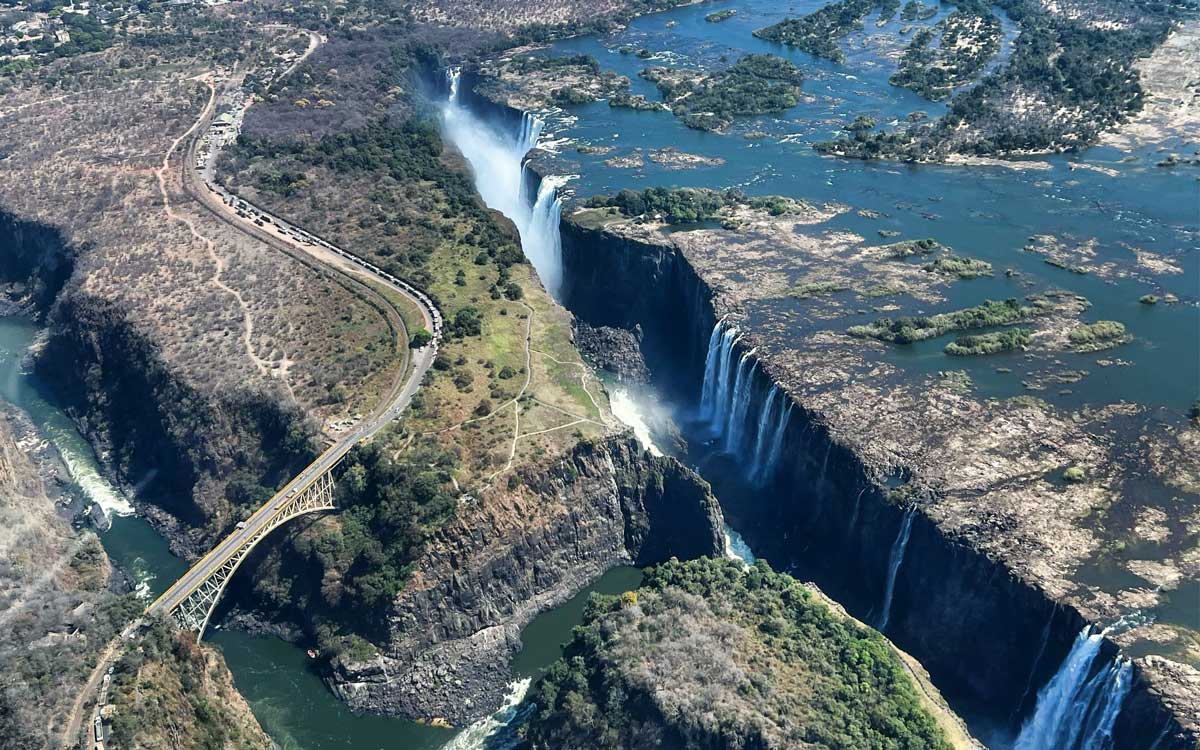
Victoria Falls is one of Africa’s greatest natural wonders and one of the world’s leading adventure destinations. Understanding how activities are managed allows visitors to experience them safely and confidently.
Victoria Falls Is Built Around Adventure, Not Risk
Few destinations in the world combine scenery and adventure quite like Victoria Falls.
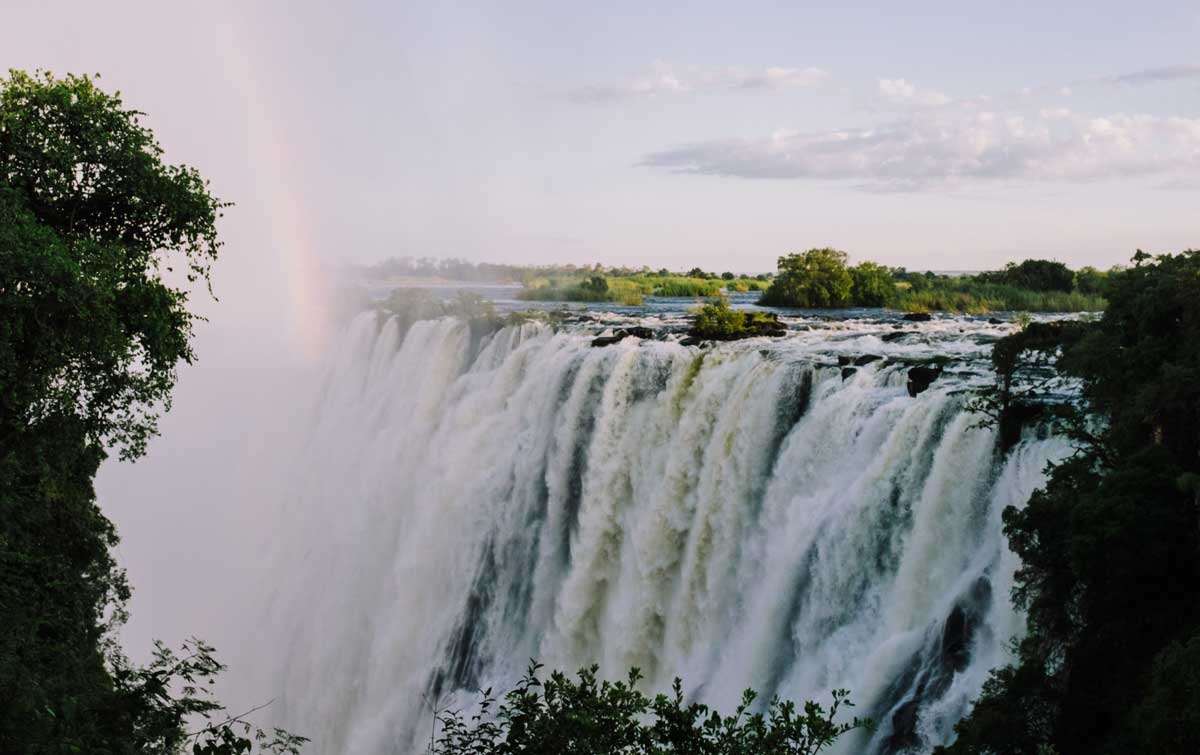
Standing on the edge of the Zambezi Gorge, visitors quickly understand why this UNESCO World Heritage Site attracts travellers from every continent. The sheer scale of the waterfall is overwhelming, but it is what happens around the Falls that has transformed Livingstone into one of Africa’s premier adventure tourism destinations.
Within only a few kilometres, visitors can experience helicopter flights above the spray, white-water rafting through one of the world’s deepest gorges, sunset cruises on the Zambezi River, canoeing, bungee jumping, zip-lining, gorge swings, wildlife safaris and walking tours beside one of the largest waterfalls on Earth.
For first-time visitors, the range of activities can appear intimidating.
Many assume that participating in so many high-adrenaline experiences inevitably carries significant danger.
The reality is rather different.
Adventure tourism around Victoria Falls has developed over several decades under strict operational procedures. Professional operators understand that their reputation depends entirely on safety. Equipment is inspected continuously, guides receive extensive training and activities are suspended whenever weather or river conditions fall outside acceptable limits.
Most incidents occur not because operators fail to manage risk, but because travellers underestimate the importance of following instructions.
Understanding how professional adventure tourism works is therefore the first step towards enjoying Victoria Falls safely.
Is Victoria Falls Safe for Adventure Activities?
This is one of the most frequently asked questions by international visitors.
The answer is yes.
Every year, hundreds of thousands of people participate safely in activities around Victoria Falls.
Like skiing in the Alps, scuba diving on the Great Barrier Reef or hiking in the Rocky Mountains, adventure activities carry managed risk rather than uncontrolled danger.
That distinction is important.
Professional operators identify hazards long before guests arrive.
Equipment is maintained to international standards.
Participants receive comprehensive safety briefings.
Weather forecasts are monitored continuously.
River conditions are assessed daily.
Activities are cancelled whenever conditions become unsuitable.
Visitors sometimes mistake these cancellations for inconvenience.
In reality, they demonstrate that operators place safety above commercial considerations.
Travellers should never pressure guides to continue when conditions change.
Experienced professionals understand the environment far better than visitors seeing it for the first time.
Choosing the Right Operator Matters More Than Choosing the Activity
Perhaps the single most important safety decision any traveller makes at Victoria Falls occurs before the activity even begins.
It is the choice of operator.
Professional companies invest heavily in guide training, equipment maintenance and emergency procedures because they understand that safety forms the foundation of their business.
Less reputable operators often compete primarily on price.
Although bargains can appear attractive, they should never become the deciding factor when selecting activities involving aircraft, boats or specialised climbing equipment.
Before booking, travellers should consider:
How long has the company operated?
Are guides professionally trained?
Is equipment modern and well maintained?
Are safety briefings comprehensive?
Does the company have emergency response procedures?
Is transport included?
Can they explain exactly what happens if weather changes?
Experienced operators answer these questions confidently because they deal with them every day.
Visitors who prioritise professionalism rather than price usually enjoy the safest and most enjoyable experiences.
White-Water Rafting on the Zambezi River
White-water rafting below Victoria Falls consistently ranks among the world’s greatest rafting experiences.
The Batoka Gorge contains powerful Grade IV and Grade V rapids that attract adventure travellers from around the globe.
Descriptions of these rapids often sound dramatic, causing some visitors to question whether rafting is genuinely safe.
The answer lies in preparation.
Professional rafting guides know every rapid intimately.
Safety kayakers accompany groups.
Participants receive detailed briefings before entering the river.
Life jackets and helmets are compulsory.
Guides explain exactly how to respond if a raft overturns, how to float safely through rapids and how rescue procedures operate.
Ironically, many first-time rafters discover that the anticipation feels more intimidating than the experience itself.
Physical fitness remains important, but successful rafting depends far more on listening carefully to guide instructions than on strength or previous experience.
Travellers with existing medical conditions should always discuss these with operators before booking.
Helicopter Flights Above Victoria Falls
Few experiences compare with seeing Victoria Falls from the air.
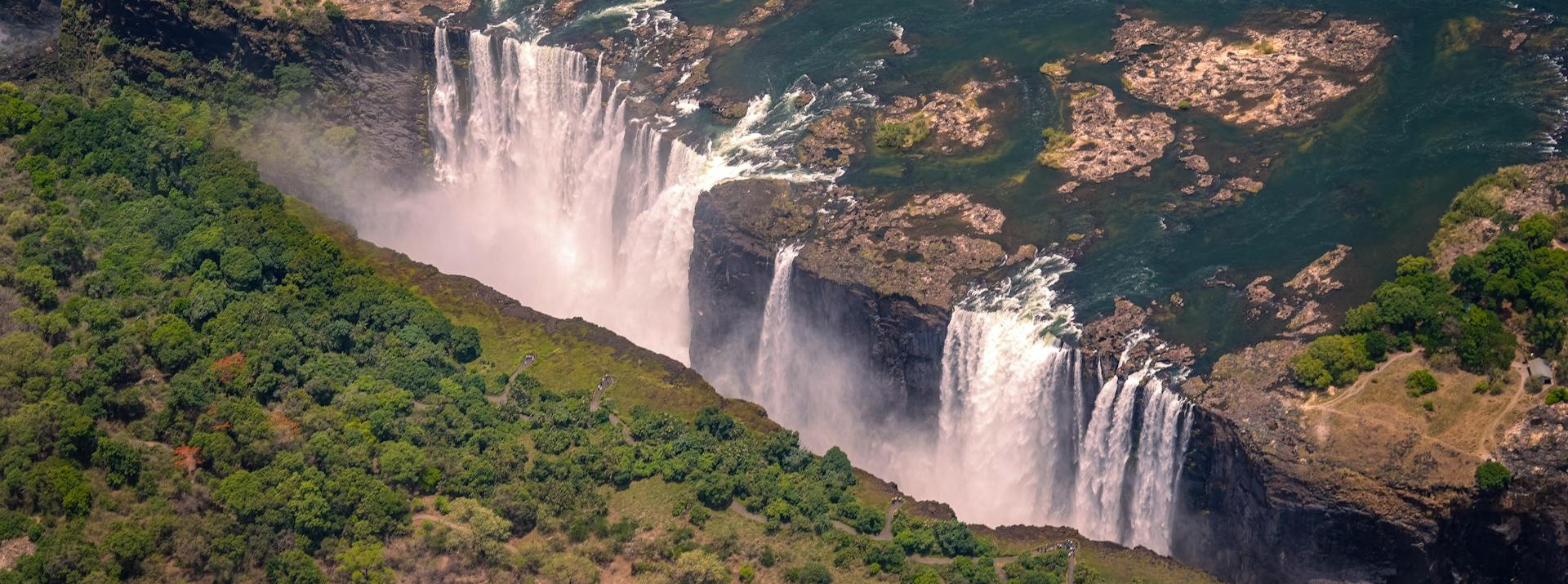
Often referred to as the “Flight of Angels”, helicopter excursions reveal the full scale of the waterfall, the winding Zambezi River and the surrounding national parks.
Some visitors hesitate because they have never flown in a helicopter before.
Commercial scenic flights around Victoria Falls are operated under strict aviation regulations using aircraft maintained according to internationally recognised standards.
Pilots receive specialised training for local flying conditions and conduct thorough safety briefings before every departure.
Passengers should listen carefully to boarding instructions, wear seatbelts correctly and avoid carrying loose items that could interfere with aircraft operations.
Weather again plays an important role.
If visibility deteriorates or wind conditions exceed operational limits, flights are postponed.
While disappointing for visitors, these decisions reflect sound aviation practice and should always be respected.
Devil’s Pool: One of the World’s Most Misunderstood Experiences
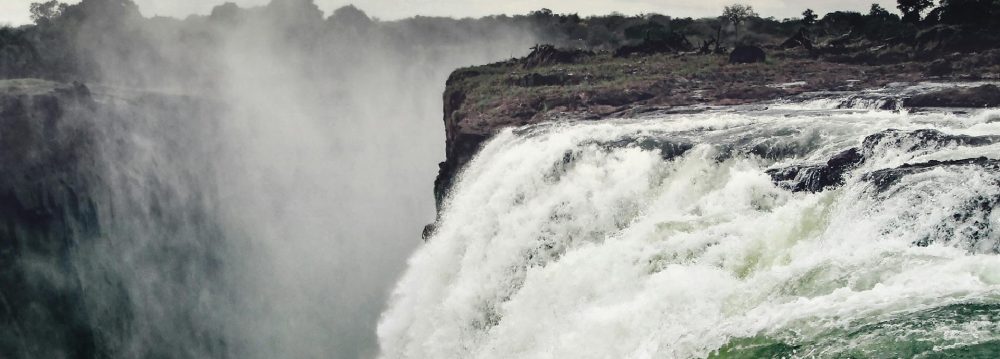
Few attractions at Victoria Falls generate as many dramatic photographs as Devil’s Pool. Images of visitors appearing to sit on the very edge of one of the world’s largest waterfalls naturally lead many people to ask whether the activity is genuinely safe or simply an unnecessary risk.
The photographs tell only part of the story.
Devil’s Pool is not open throughout the year. It operates only during specific months when Zambezi River water levels fall to a point where experienced guides can safely access Livingstone Island. Outside this seasonal window the activity simply does not take place. Operators do not attempt to continue when river conditions become unsafe, regardless of visitor demand.
Every excursion begins with a detailed briefing. Guides explain where participants may stand, how they enter the pool, where photographs are taken and exactly how the natural rock formations create the barrier between visitors and the waterfall itself. Guests are accompanied throughout the experience and are never left to move around independently.
The greatest risk at Devil’s Pool is not the waterfall itself but ignoring instructions. Visitors who remain within designated areas and follow guide directions closely generally find the experience exhilarating rather than frightening.
This is a recurring theme throughout Victoria Falls. Professional procedures, rather than luck, are what make these activities possible.
Bungee Jumping, Gorge Swings and Zip Lines
Victoria Falls has developed an international reputation for adrenaline activities that extend well beyond rafting and helicopter flights.
The bridge connecting Zambia and Zimbabwe has become one of Africa’s best-known bungee jumping locations, while gorge swings, flying foxes and zip lines allow visitors to experience the dramatic landscape from entirely different perspectives.
These activities naturally demand respect.
Equipment is inspected daily.
Harnesses are fitted by trained staff.
Multiple safety checks take place before every participant begins.
Weight limits, medical conditions and weather are all considered before permission is given to proceed.
Travellers should never hesitate to ask questions.
Professional operators welcome informed participants because they recognise that confidence comes from understanding how systems work. A guide who patiently explains equipment, backup systems and emergency procedures usually demonstrates a strong safety culture.
Visitors occasionally arrive believing these experiences are reserved only for elite athletes.
In reality, most activities are designed for ordinary travellers with average levels of fitness, provided they meet the published health requirements and follow instructions carefully.
Wildlife Encounters Along the Zambezi River
Not every activity around Victoria Falls involves speed or adrenaline.
Many visitors spend just as much time enjoying river cruises, game drives and guided walks through nearby national parks.
These experiences introduce a different type of safety consideration.
Unlike fenced wildlife parks found elsewhere in the world, many areas surrounding Victoria Falls remain natural environments where elephants, buffalo, hippos, crocodiles and other wildlife move freely.
Professional guides understand these animals exceptionally well.
They recognise behavioural signals, maintain appropriate distances and adjust activities whenever wildlife movements require it.
Visitors sometimes make the mistake of assuming that because animals appear calm they are approachable.
Nothing could be further from the truth.
Wildlife should always be viewed with respect rather than fear. The safest guests are invariably those who remain quiet, listen to their guides and resist the temptation to move closer for photographs.
This philosophy extends to river cruises as well.
Hippos account for more injuries across Africa than many visitors realise, not because they actively seek confrontation but because they are highly territorial in water. Professional boat captains understand these behaviours and maintain safe operating distances throughout every excursion.
Medical Facilities and Emergency Planning
Livingstone has developed into one of Southern Africa’s leading tourism centres and is supported by medical facilities capable of treating many common illnesses and injuries.
Adventure operators also maintain established emergency procedures that have evolved over decades of commercial operation.
Should an incident occur during rafting, helicopter flights or another organised activity, guides are trained to stabilise the situation while emergency services are notified. Communication between operators, medical providers and tourism businesses is generally well established.
Nevertheless, visitors should prepare before travelling.
Comprehensive travel insurance remains essential, particularly when participating in adventure activities that may require specialist treatment or medical evacuation.
Travellers should also disclose any relevant medical conditions before booking physically demanding experiences. Heart conditions, previous spinal injuries, pregnancy or other health concerns may affect participation in certain activities, and operators can only provide appropriate advice if they have accurate information.
Preparation is not about expecting something to go wrong.
It is about ensuring that, if circumstances change unexpectedly, everyone involved already has the information needed to respond quickly.
Why Good Decisions Begin Before You Leave Home
One of the most interesting observations made by experienced operators is that the safest visitors usually begin preparing well before arriving in Zambia.
They research activities carefully rather than booking impulsively.
They understand seasonal differences in water levels.
They compare operators based on reputation rather than price alone.
They ensure their insurance covers adventure tourism.
They arrive well rested and hydrated.
These small decisions often have a greater influence on safety than anything that happens during the activity itself.
Adventure tourism rewards preparation.
Travellers who understand what to expect generally feel more relaxed, make better decisions and enjoy the experience far more than those arriving with unrealistic expectations.
How TravelSafe SOS Supports Adventure Travellers
Adventure destinations create unique challenges when emergencies occur.
A rafting incident may happen deep within Batoka Gorge.
A vehicle accident could occur while travelling between Livingstone and a safari lodge.
A medical emergency might develop during a walking safari or river cruise.
In each situation, several organisations may need to work together before assistance reaches the traveller.
TravelSafe SOS was designed to simplify that process.
If an emergency occurs, travellers activate the SOS feature within the app. Their alert, together with their location, is immediately transmitted to the TravelSafe SOS Control Centre.
Experienced coordinators assess the incident and begin organising the appropriate response. Depending on the circumstances, this may involve communication with local emergency services, medical providers, accommodation, travel insurers, travel agents and nominated next of kin.
The value of the system lies not simply in contacting help but in coordinating the entire response.
For travellers moving between Zambia, Zimbabwe, Botswana, Namibia, South Africa, Mozambique or East Africa, that same continuity of support remains available throughout the journey.
Final Thoughts
Victoria Falls has earned its reputation as one of the world’s great adventure destinations because it combines extraordinary scenery with professional tourism infrastructure.
Every year, visitors raft powerful rapids, fly above the waterfall, walk to the edge of Devil’s Pool and explore the Zambezi River safely under the guidance of experienced professionals.
The environment deserves respect, but it should never discourage travellers from participating.
Choosing reputable operators, listening carefully to guides and preparing properly before travelling are the foundations of safe adventure tourism.
Visitors who approach Victoria Falls with that mindset usually discover something remarkable.
The confidence gained from understanding the risks allows them to focus on what they came to experience in the first place: one of the most spectacular natural wonders on Earth.
Experience Victoria Falls with Confidence
Adventure should inspire excitement, not uncertainty.
Whether you are rafting the Zambezi, taking a helicopter flight above the Falls or combining Zambia with a wider Southern African itinerary, TravelSafe SOS provides access to professional emergency coordination whenever it is needed.
Download the app before you travel and enjoy Victoria Falls knowing expert assistance is always within reach.