
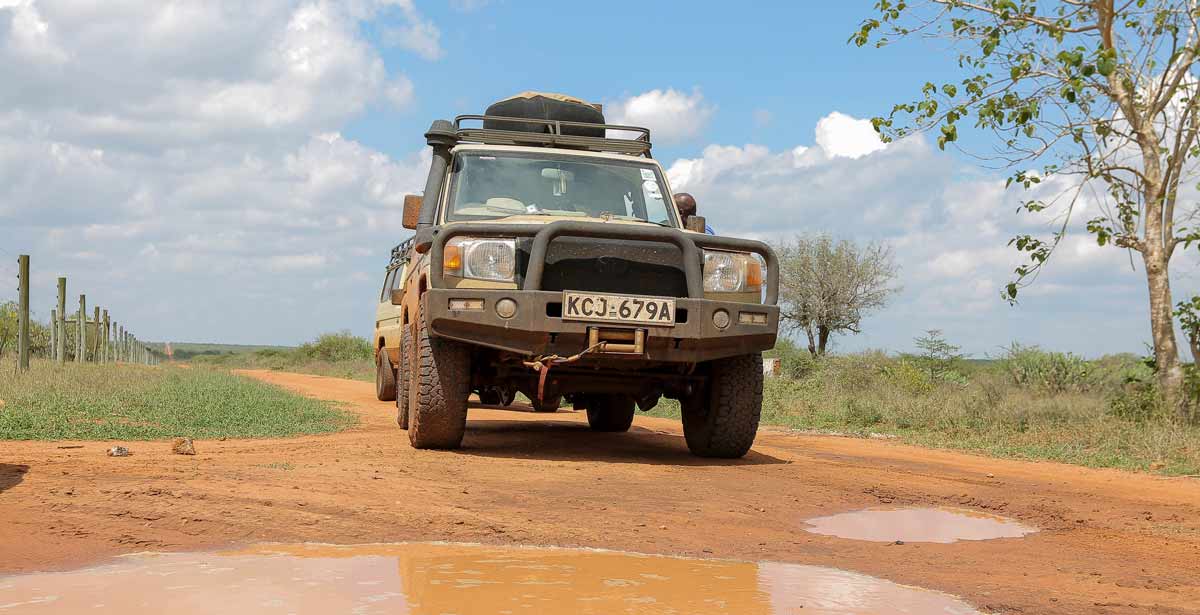
Kenya has welcomed international travellers for more than half a century and remains one of Africa’s premier safari and beach destinations. Understanding where genuine risks exist, and where they do not, is the key to travelling confidently.
Kenya Is One of Africa’s Great Success Stories for Tourism
For many people, Kenya is where the dream of Africa begins.
It is the country that introduced millions of travellers to the idea of safari. Long before social media transformed tourism, visitors were travelling to the Maasai Mara to watch lions hunting across open plains, photographing elephants beneath Mount Kilimanjaro in Amboseli and finishing their holidays on the warm beaches of the Indian Ocean. Kenya built an international tourism industry around wildlife, conservation and hospitality, and today it remains one of the most recognised safari destinations anywhere in the world.
Yet despite this extraordinary reputation, one question consistently dominates internet searches.
Is Kenya safe?
It is an understandable concern. Anyone researching a holiday is likely to encounter dramatic news headlines, government travel advisories and online discussions that often present isolated incidents without explaining the wider context. For someone planning their first African journey, distinguishing between genuine risk and sensational reporting can be remarkably difficult.
The reality is considerably more balanced than either extreme suggests.
Kenya is neither a country that should be avoided nor one where travellers should abandon common sense. It is a modern nation of more than fifty million people with thriving cities, internationally recognised tourism infrastructure, remote wilderness areas, agricultural communities and a coastline stretching hundreds of kilometres along the Indian Ocean. Just as visitors would approach New York differently from Yellowstone National Park, or London differently from the Scottish Highlands, different parts of Kenya require different expectations and different forms of preparation.
That distinction is often missing from conversations about travel safety.
Asking whether Kenya is safe is rather like asking whether Europe is safe. The answer depends entirely on where you are travelling, how you are travelling and who is organising your journey.
Understanding those differences is the purpose of this guide.
Understanding Risk in Kenya Means Understanding Geography
One of the biggest mistakes first-time visitors make is imagining that every part of Kenya presents the same challenges.
Nothing could be further from reality.
The experience of spending three nights in Nairobi is completely different from staying in a luxury safari camp overlooking the Maasai Mara. A family relaxing on Diani Beach faces different considerations from photographers travelling through Samburu, while business travellers attending meetings in the capital experience Kenya differently again.
Professional travel planners rarely speak about Kenya as though it were a single destination.
Instead, they think in regions.
Urban Kenya.
Safari Kenya.
Coastal Kenya.
Remote northern Kenya.
Each has its own transport systems, infrastructure, medical access and security considerations.
This regional approach explains why experienced Africa specialists are often much more confident about Kenya than first-time visitors.
They understand that tourism has developed differently across the country.
The safari industry, for example, operates within highly organised networks of guides, conservancies, charter airlines, lodges and conservation organisations that have spent decades refining visitor safety. Coastal tourism functions around established resorts, marine operators and international hotels, while Nairobi, like any major capital city, requires sensible urban awareness rather than wilderness experience.
Once travellers begin looking at Kenya through this regional lens, many of the fears created by general internet searches begin to disappear.
The conversation becomes practical rather than emotional.
Which airport should I fly into?
Should I use private transfers?
Is this road suitable for self-driving?
How far is the nearest hospital?
These questions lead to useful answers because they relate directly to the journey the traveller is actually planning.
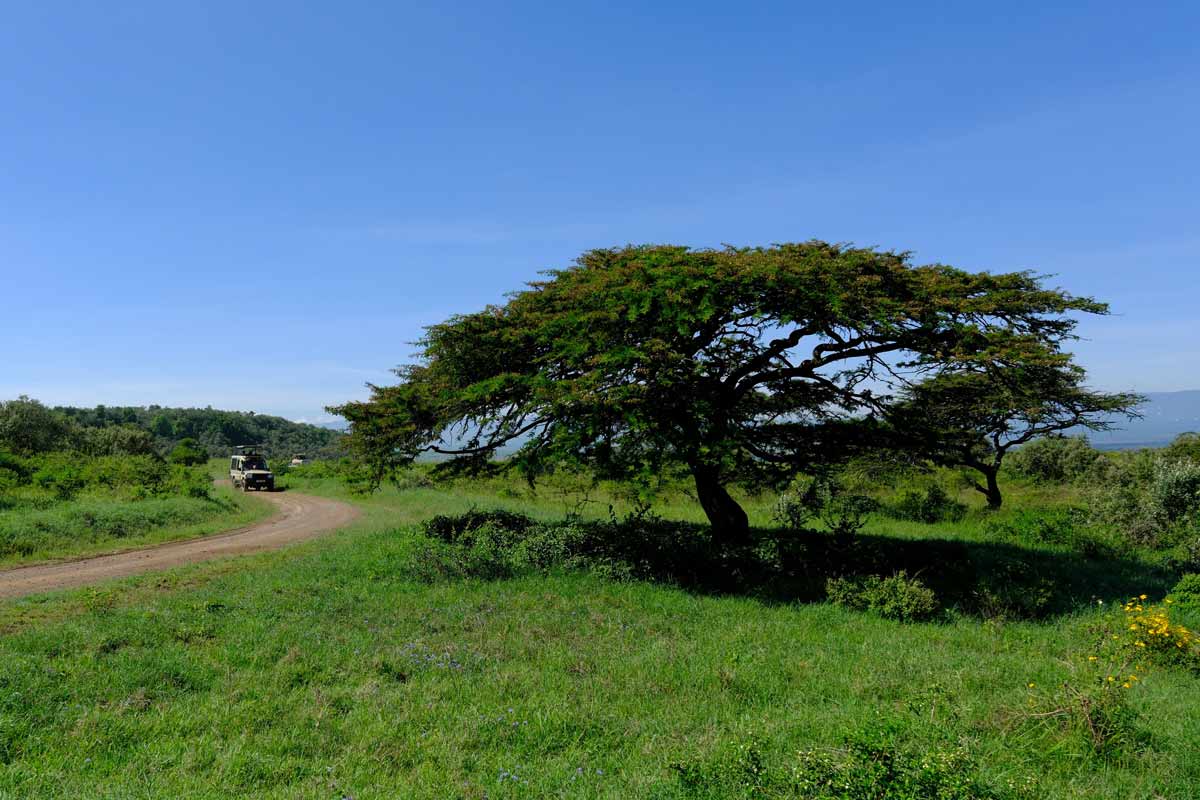
Nairobi Deserves Understanding Rather Than Fear
Nairobi is probably the most misunderstood city in African tourism.
International headlines naturally focus on political events, demonstrations or isolated criminal incidents because it is Kenya’s capital and economic centre. Unfortunately, these stories often create the impression that the entire city is unsafe for visitors.
That is not the experience of most international travellers.
Nairobi is a sophisticated African capital with international hotels, excellent restaurants, shopping centres, museums, conference facilities and one of the busiest aviation hubs on the continent. Hundreds of thousands of visitors pass through the city every year on their way to safari destinations, business meetings and coastal holidays without experiencing any security problems.
The important point is understanding how visitors typically experience Nairobi.
Tourists do not usually wander randomly through unfamiliar neighbourhoods.
They travel between the airport, recognised hotels, organised attractions and reputable restaurants using hotel transport, professional guides or trusted ride-hailing services. Major hotels employ extensive security procedures that include vehicle screening, trained security personnel and controlled access points. These measures are now standard practice across much of East Africa’s hospitality industry and contribute significantly to visitor safety.
The risks that visitors are most likely to encounter are also the most predictable.
Displaying expensive jewellery unnecessarily, leaving mobile phones unattended in busy cafés or attempting to walk through unfamiliar areas late at night create opportunities for opportunistic crime that can easily be avoided.
This is not unique to Nairobi.
Exactly the same advice applies in many of the world’s largest cities.
Visitors who approach Nairobi as they would any other major international capital, remaining aware of their surroundings while making sensible transport decisions, usually leave wondering why they were so concerned before arriving.
Why Kenya’s Safari Industry Has Earned International Trust
One of the greatest misconceptions about Kenya is that wildlife areas somehow represent the greatest danger.
In reality, the opposite is often true.
Once visitors leave the cities behind and arrive in destinations such as the Maasai Mara, Amboseli, Laikipia or Samburu, they enter one of the most professionally managed tourism environments anywhere in Africa. These regions have evolved around international safari travel for generations, and almost every aspect of the visitor experience is designed to reduce unnecessary risk while maximising opportunities to experience wildlife responsibly.
From the moment guests are met at a bush airstrip or lodge reception, their movements are coordinated by experienced guides whose knowledge extends far beyond finding animals. They monitor weather conditions, understand wildlife behaviour, communicate continuously with neighbouring camps and know exactly how to respond when circumstances change unexpectedly. Vehicles are maintained specifically for off-road safari conditions, daily activities are planned around environmental factors rather than rigid timetables and every game drive begins with an understanding that the bush, not the clock, determines the day’s rhythm.
This is why experienced safari travellers often describe Kenya’s wilderness areas as feeling surprisingly relaxed.
There is no need to make independent decisions about approaching elephants, navigating remote tracks or interpreting animal behaviour because those responsibilities belong to highly trained professionals. Visitors are free to immerse themselves in the experience, knowing that every decision being made around them is informed by years of practical field experience.
Ironically, many first-time visitors discover that they feel more comfortable in the Maasai Mara than they do crossing a busy city street back home.
That confidence does not come from chance.
It comes from decades of professional safari management that quietly places safety at the centre of every journey.
Kenya’s Coast Offers Relaxation, but the Environment Changes
For many visitors, a Kenyan holiday does not end when the safari vehicle returns to the airstrip. Instead, the journey continues east towards the Indian Ocean, where destinations such as Diani Beach, Watamu, Malindi and sections of the Mombasa coastline provide a completely different experience from the country’s wildlife reserves.
This transition is one of Kenya’s greatest strengths. Few countries allow travellers to spend the morning watching elephants in Amboseli and, within a matter of hours, find themselves walking along palm-fringed beaches overlooking the Indian Ocean. It is one of the reasons Kenya has remained one of Africa’s most successful tourism destinations for decades.
The safety considerations, however, change completely.
Wildlife is replaced by marine activities, busy coastal towns and beach tourism. Visitors who have spent several days following the routines of a safari camp suddenly find themselves making independent decisions again about restaurants, transport, excursions and personal belongings.
Fortunately, the same principles continue to apply.
Choose reputable accommodation.
Book excursions through recognised operators.
Arrange transport through hotels or trusted providers.
Avoid carrying unnecessary valuables while walking on the beach.
Ask local staff if there are areas they recommend avoiding after dark.
Most importantly, understand that Kenya’s coastline has welcomed international visitors for generations. Tourism is central to the local economy and the overwhelming majority of visitors experience a relaxed and trouble-free holiday. Most reported incidents involve petty theft or opportunistic crime rather than serious violence, and these risks can usually be reduced through the same sensible precautions travellers would adopt in any popular international beach destination.
Getting Around Kenya Safely
Transport is one of the least discussed aspects of travel safety, yet it is often the factor that most influences the overall success of a holiday.
Kenya has invested heavily in tourism infrastructure over the past several decades. International airports in Nairobi and Mombasa connect efficiently with domestic services serving destinations such as the Maasai Mara, Amboseli, Samburu, Laikipia and the coast. These scheduled and charter flights dramatically reduce travelling time while allowing visitors to avoid long road transfers where appropriate.
Road travel remains an important part of many itineraries, particularly between airports, hotels and national parks that are not served by regular flights. Experienced operators build these journeys into the rhythm of the holiday rather than treating them simply as transfers. Drivers understand seasonal road conditions, communicate with accommodation providers and adapt schedules according to weather, traffic or wildlife movements.
Independent travellers occasionally underestimate the distances involved.
Kenya is a large country, and journey times are often longer than mapping applications suggest. Roads pass through towns, agricultural communities and conservation areas where progress naturally slows. Visitors who attempt to compress too much into a limited itinerary often spend unnecessary hours travelling instead of enjoying the destinations they have come to experience.
The safest itineraries are usually the most realistic ones.
Allowing additional time between destinations reduces fatigue, accommodates unexpected delays and creates a much more relaxed travel experience.
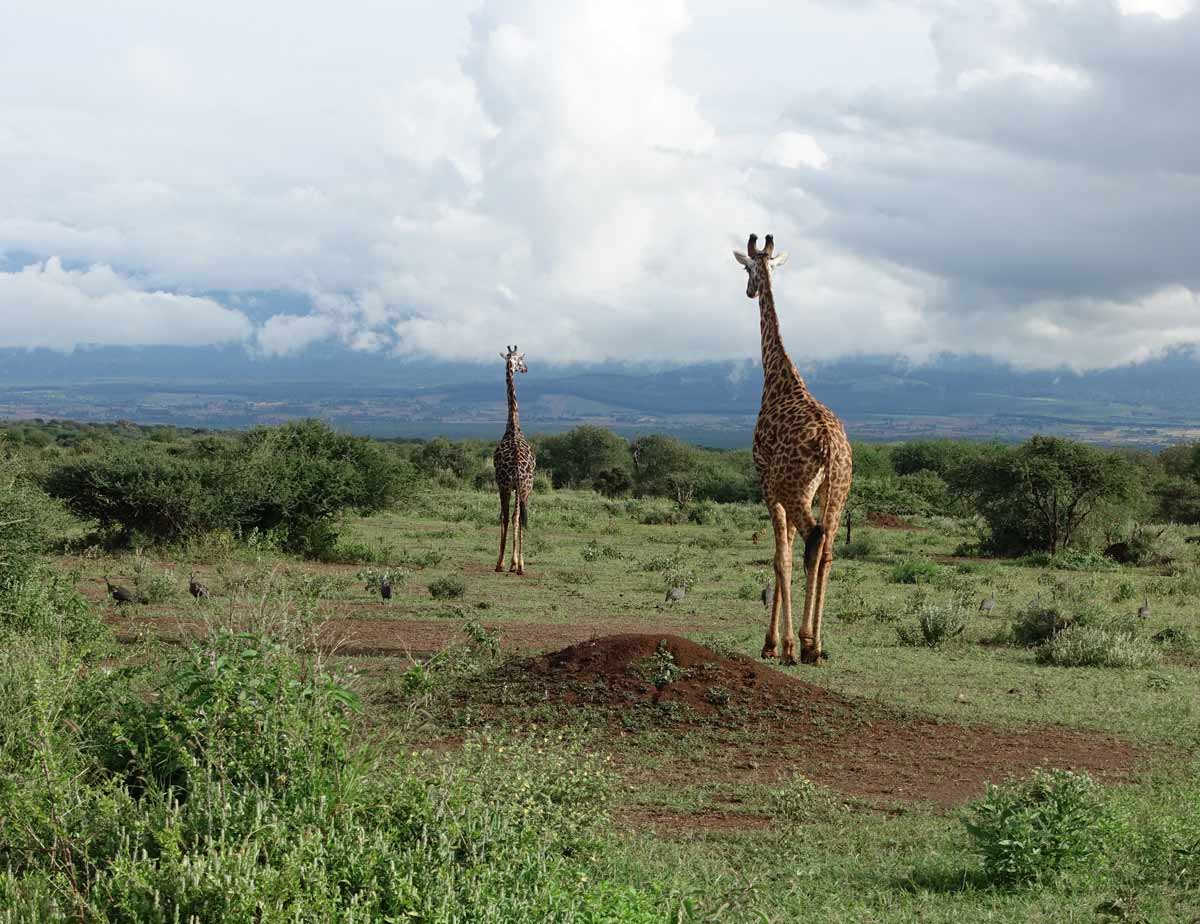
Medical Care, Travel Insurance and Preparing for the Unexpected
One of Kenya’s strengths as a tourism destination is the maturity of its supporting infrastructure.
Nairobi has internationally respected private hospitals, while regional centres and tourism areas maintain clinics capable of treating many common travel-related illnesses and injuries. Safari operators, coastal resorts and professional guides also work within well-established emergency procedures that have been refined over decades of international tourism.
Nevertheless, Kenya is a large country and many of its most spectacular attractions are intentionally remote.
A traveller enjoying sunrise in the Maasai Mara or exploring the northern conservancies is not only seeking wildlife, but also choosing to spend time far from major urban centres. This is part of the appeal, but it also reinforces the importance of preparation.
Comprehensive travel insurance should never be viewed as optional.
Policies that include emergency medical evacuation, specialist treatment and transport coordination provide reassurance not because travellers expect something to go wrong, but because they allow the most appropriate response to begin immediately should circumstances change unexpectedly.
Preparation also extends beyond insurance.
Carrying prescription medication in its original packaging, keeping digital copies of passports and insurance documentation, sharing itineraries with family members and understanding how emergency assistance can be accessed all contribute to a smoother response if it is ever required.
The best travel preparation is often invisible.
Its value becomes apparent only when plans unexpectedly change.
Understanding Risk Is More Valuable Than Avoiding Adventure
One of the most unfortunate consequences of sensational headlines is that they sometimes discourage travellers from experiencing destinations that are, in reality, exceptionally rewarding.
Kenya is a good example.
Visitors occasionally arrive expecting to spend their holiday feeling anxious about safety, only to discover that their concerns disappear within the first few days. They begin to understand that experienced guides, professional drivers, reputable lodges and well-established tourism operators quietly manage countless practical details behind the scenes.
This is not to suggest that Kenya is without risk.
No country is.
The difference lies in recognising the risks that are genuinely relevant to your journey.
On safari, the focus is on respecting wildlife and following guide instructions.
In Nairobi, it is about making sensible transport choices and remaining aware of your surroundings.
On the coast, it involves selecting reputable operators for marine activities and exercising the same common sense you would apply in any international resort.
When viewed in this way, travel safety becomes practical rather than intimidating.
Knowledge replaces uncertainty.
Preparation replaces anxiety.
Experience replaces assumption.
That is precisely why so many travellers return to Kenya again and again.
How TravelSafe SOS Supports Travellers Throughout Kenya
Even the best planned journeys occasionally encounter unexpected situations.
Flights may be delayed because of weather.
A traveller may become ill while staying in a remote conservancy.
A passport could be lost.
A vehicle accident may occur during a transfer.
These situations rarely involve a lack of available assistance.
More often, the challenge is coordinating communication between everyone who needs to be involved.
TravelSafe SOS was designed specifically for travellers moving through countries such as Kenya, where holidays often combine international flights, domestic aviation, remote safari camps, coastal resorts and multiple accommodation providers.
If an emergency occurs, activating the SOS feature immediately alerts the TravelSafe SOS Control Centre together with the traveller’s location. Experienced coordinators assess the situation and begin organising the appropriate response. Depending on the circumstances, this may include communicating with medical providers, emergency responders, accommodation, travel insurers, travel agents and nominated next of kin.
The strength of the system is continuity.
Rather than asking travellers or family members to contact several organisations independently during a stressful situation, one experienced control centre manages communication from the beginning of the incident until appropriate assistance has been arranged.
For visitors combining Kenya with Tanzania, Uganda, Rwanda, Zambia, Zimbabwe, Botswana, Namibia, Mozambique or South Africa, that same coordinated support remains available throughout the entire journey.
Final Thoughts
Kenya has earned its reputation as one of the world’s great travel destinations through remarkable wildlife, welcoming people, outstanding conservation and a tourism industry that has evolved over more than fifty years.
Visitors should approach the country with realistic expectations rather than unnecessary concern.
Different regions require different approaches.
Cities reward sensible urban awareness.
Safari destinations reward respect for wildlife and confidence in professional guides.
Coastal resorts benefit from the same practical precautions that travellers would adopt in any international beach destination.
Most importantly, Kenya rewards preparation.
Travellers who research their itinerary carefully, work with experienced operators and understand how the country’s tourism systems function usually discover that the reality is very different from the headlines that first prompted their questions.
The result is a holiday remembered not for concerns about safety, but for extraordinary wildlife encounters, remarkable landscapes and the unmistakable warmth of Kenyan hospitality.
Travel Kenya with Confidence
Whether your journey includes Nairobi, the Maasai Mara, Amboseli, Samburu or the beaches of the Indian Ocean, preparation allows you to travel with confidence rather than uncertainty.
Download TravelSafe SOS before you leave home and explore Kenya knowing that professional emergency coordination is available throughout your journey across East and Southern Africa.