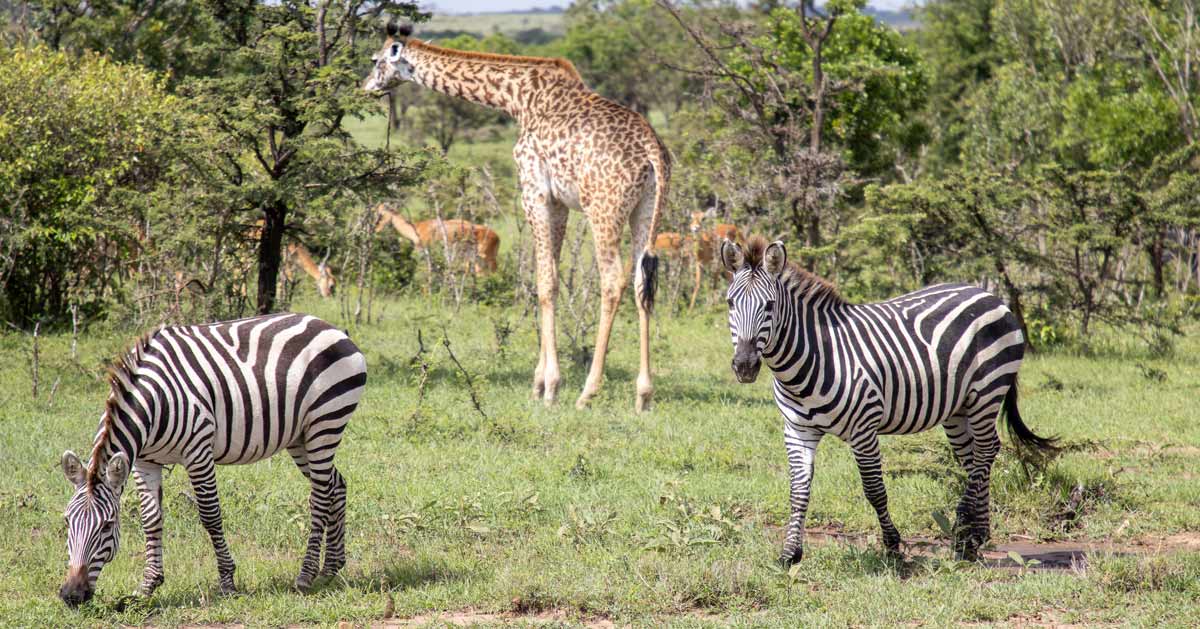
Understanding the difference between urban and safari travel is one of the most important steps in planning a safe trip to Kenya.
Kenya Is Safer Than Many Travellers Expect
Kenya is one of Africa’s premier safari destinations, welcoming well over a million international visitors each year. It is home to world-famous wildlife reserves, luxury safari lodges, spectacular beaches and vibrant cities that attract travellers from Europe, North America and around the world.
Yet one question consistently appears during the planning process:
Is Kenya safe?
The answer depends entirely on where you are.
Many travellers think of Kenya as one destination with one level of risk. In reality, Kenya contains several completely different travel environments, each with its own safety profile.
A visitor spending three nights in Nairobi experiences very different risks from someone staying in the Maasai Mara, Amboseli or Laikipia conservancies. Likewise, travelling by road between destinations presents different considerations from flying on scheduled safari aircraft.
Understanding these differences allows travellers to plan realistic precautions rather than worrying unnecessarily about headlines that often lack context.

Understanding Safety Differences Across Kenya
Kenya should be viewed as a collection of distinct travel regions rather than one single destination.
The vast majority of international visitors combine several different experiences during one holiday. A typical itinerary might include:
- Arrival in Nairobi
- Domestic flight to a safari reserve
- Several nights on safari
- Beach extension on the Indian Ocean
- Return to Nairobi for departure
Each stage introduces different considerations.
Urban centres naturally experience higher levels of petty crime, traffic congestion and opportunistic theft, while protected safari conservancies operate within structured tourism environments with strict safety procedures.
This distinction is important because many first-time visitors assume wildlife areas present the greatest danger. In reality, organised safari operations are among the most carefully managed tourism environments in Africa.
Nairobi: Understanding Urban Risk
Nairobi is a modern international capital with excellent hotels, shopping centres, restaurants and conference facilities. It also functions as East Africa’s principal aviation hub, meaning many visitors spend at least one or two nights there.
Like many large cities worldwide, Nairobi experiences urban crime.
The most common issues affecting travellers include:
- Pickpocketing
- Bag snatching
- Mobile phone theft
- Taxi scams
- Opportunistic robbery
- Traffic congestion
These incidents generally occur in busy public spaces or when visitors move around independently without planning.
Most international hotels maintain strong security measures including controlled access, vehicle screening and professional security personnel.
Travellers can further reduce risk by using reputable transport providers, avoiding unnecessary walking after dark and following advice provided by hotel staff.
Importantly, violent crime against tourists remains relatively uncommon when visitors remain within established tourism infrastructure.
Why Safari Areas Feel Completely Different
Once visitors leave Nairobi for Kenya’s safari regions, the overall risk profile changes dramatically.
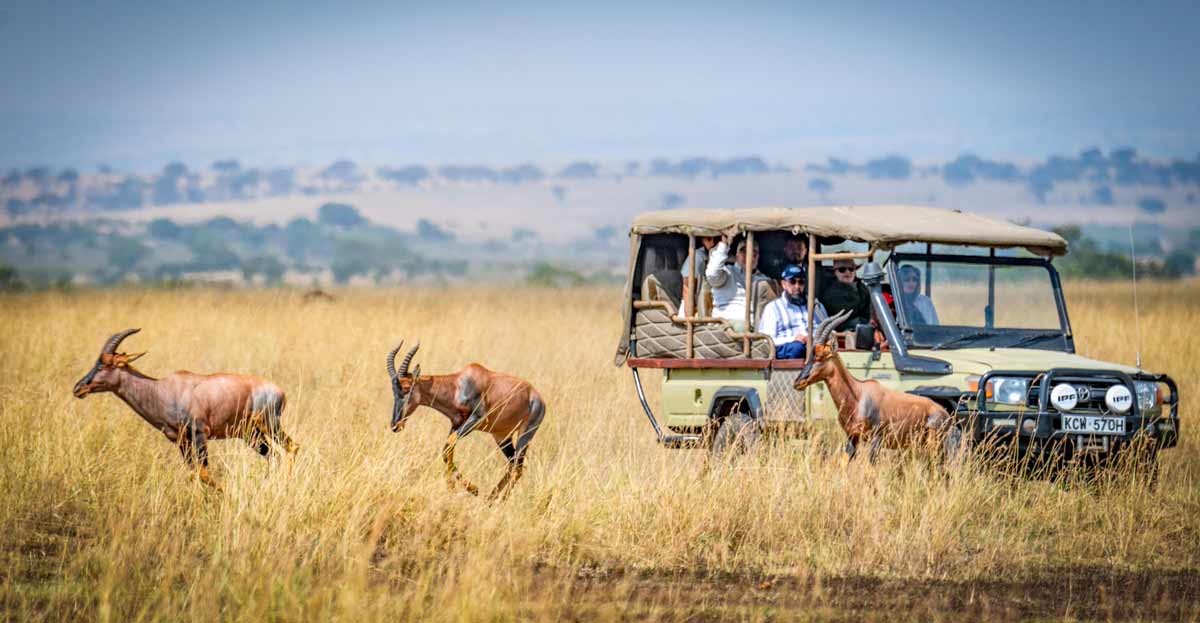
Destinations such as the Maasai Mara, Amboseli, Samburu, Tsavo and private conservancies operate almost entirely around organised tourism.
Movement is controlled.
Professional guides accompany guests during game drives.
Lodges maintain detailed emergency procedures.
Vehicles communicate regularly by radio.
Experienced rangers monitor wildlife movements.
Unlike cities, opportunistic street crime is virtually absent inside safari reserves.
Instead, the primary risks relate to the natural environment.
Travellers are sharing space with wild animals that behave according to instinct rather than predictable human patterns.
Fortunately, Kenya’s guiding standards are among the highest in Africa, and incidents involving guests remain extremely rare when guide instructions are followed.
Wildlife Is Predictable When Managed Properly
Many people planning their first African safari imagine wildlife as the greatest danger.
The reality is more reassuring.
Professional safari guides spend years learning animal behaviour, environmental conditions and visitor management. Vehicles maintain safe viewing distances, while walking activities are conducted under carefully controlled conditions.
Most wildlife incidents occur only when people ignore instructions by attempting to approach animals, leaving designated areas without permission or trying to take unnecessary risks for photographs.
Respecting wildlife, remaining inside vehicles unless instructed otherwise and following guide directions makes safari travel remarkably safe.
Professional operators invest heavily in guide training because guest safety is fundamental to their business.
The wildlife deserves respect, but it should not discourage visitors from experiencing one of the world’s greatest travel experiences.