
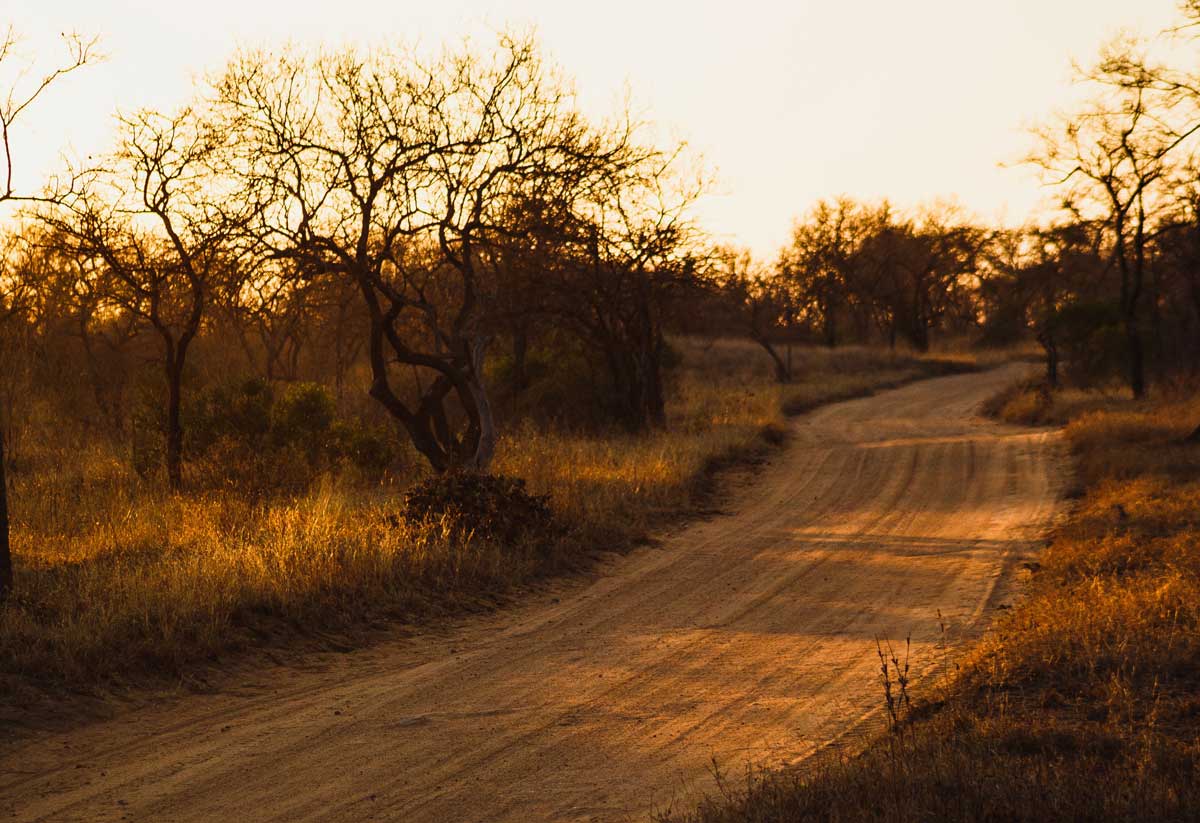
Understanding Travel Logistics in Botswana
Botswana travel safety is defined far less by crime or personal security risk and far more by logistics, distance, and coordination across remote environments. Unlike many destinations where transport is simple and direct, Botswana’s safari experience is built around accessing isolated wilderness areas through carefully structured systems.
Destinations such as the Okavango Delta, Moremi Game Reserve, Linyanti, Savuti, and the Makgadikgadi Pans are deliberately remote. This is part of their appeal. However, it also means that reaching them involves multiple stages of travel, often combining flights and overland transfers.
A typical journey may include:
- Arrival into Maun or Kasane
- Light aircraft transfer to a bush airstrip
- Collection by lodge vehicle
- Additional internal transfers between camps
Each of these steps is controlled and professionally managed, but each also represents a transition point where delays, timing issues, or environmental factors can affect movement.
The important distinction is that Botswana is not a high-risk destination in terms of crime. It is one of the safest safari countries in Africa. However, its remote model introduces logistical complexity that travellers must understand.
Botswana travel safety is therefore about managing transitions, not avoiding destinations.
Light Aircraft Safety and Access
Light aircraft flights are central to Botswana’s safari system. They provide access to remote camps that would otherwise require long and difficult road journeys.
For many travellers, these flights are unfamiliar. Aircraft are smaller, luggage restrictions are strict, and flights operate at lower altitudes. This can create a perception of increased risk, but in reality, these operations are highly standardised and safe.
Pilots are experienced in bush flying, and aircraft are maintained under strict aviation guidelines. However, flights are dependent on environmental conditions, including:
- Weather and visibility
- Wind patterns
- Airstrip conditions
This means that schedules are flexible by design. Flights may be:
- Delayed due to weather changes
- Adjusted for weight and balance
- Combined with other passenger movements
A practical scenario:
A traveller arrives expecting an immediate departure to a Delta camp. Weather shifts reduce visibility at the destination airstrip. The flight is delayed or rerouted. While inconvenient, this decision prevents an unsafe landing.
Another scenario:
Strict luggage limits require repacking or redistribution. This ensures aircraft performance remains within safe limits. Hard luggage may be refused entirely.
These adjustments are part of the safety system, not a failure of planning.
For travellers, the key is to:
- Pack within limits using soft bags
- Allow buffer time between connections
- Accept schedule flexibility
Light aircraft travel reduces long road exposure and is one of the safest ways to access remote Botswana.
Road Transfers and Remote Conditions
Road travel in Botswana is less about highways and more about navigating remote terrain. Within safari regions, roads are often unpaved and may consist of sand tracks, gravel, or seasonal routes.
Conditions vary depending on location and time of year. Travellers may encounter:
- Deep sand requiring specialised driving techniques
- Flooded areas during wet seasons
- Wildlife crossing or resting on roads
- Minimal or no signage
These are not traditional road risks, but they require experience and appropriate vehicles.
A real-world example:
A transfer from an airstrip to a lodge takes 60 minutes across a sandy track. Along the way, elephants cross the route. The driver stops, waits, and repositions safely. The journey takes longer, but safety is maintained.
Another example:
During the Okavango flood season, certain routes become inaccessible. Drivers use alternative paths or adjust timing. Transfers may be delayed, but this ensures safe passage.
Self-driving in Botswana is possible, but it introduces additional risk for those unfamiliar with:
- Sand driving
- Remote navigation
- Vehicle recovery techniques
Most travellers are far safer using lodge transfers or guided vehicles, where drivers are trained to manage these conditions.
Timing and Distance Considerations
Time is one of the most underestimated safety factors in Botswana travel.
Distances may appear short, but actual travel time is affected by terrain, wildlife movement, weather, and coordination between flights and transfers.
A common issue is underestimating connection timing.
Example:
A traveller books back-to-back camps with minimal buffer between flights. A delay at the first camp results in a missed connection. The traveller is forced into an unplanned overnight stop, creating stress and logistical disruption.
Another scenario:
A late afternoon transfer is scheduled. The journey extends into dusk, when visibility drops and wildlife becomes more active. This increases risk unnecessarily.
Safe planning includes:
- Allowing buffer time between transfers
- Avoiding late-day travel where possible
- Accepting flexible scheduling
- Coordinating closely with operators
Botswana’s travel system is designed to work with time, not against it. Problems arise when travellers or planners try to compress itineraries.
Time is not just a convenience factor. It is a safety factor.
Emergency Response in Remote Travel
Botswana’s remote environments mean that emergency response depends on coordination rather than immediate access.
Lodges are equipped to manage:
- Basic medical situations
- Communication with external services
- Initial response to incidents
For more serious issues, evacuation systems are well established and may include:
- Air evacuation to Maun or Kasane
- Coordination with private medical providers
- Integration with international insurance networks
A realistic scenario:
A traveller experiences a medical issue in a Delta camp. Lodge staff stabilise the situation and coordinate with aviation providers. An evacuation flight is arranged. Timing depends on weather and aircraft availability, but the process is structured and controlled.
Another scenario:
A traveller is delayed in transit due to missed connections. The lodge and operator track movement and coordinate updated arrivals. Communication ensures that the traveller is accounted for at all times.
The system works effectively, but it relies on:
- Clear communication
- Accurate location information
- Coordinated response
The challenge is not capability. It is ensuring that response begins quickly and efficiently.
Travel Safety Apps and Remote Logistics Support
Botswana travel safety improves significantly when travellers have access to a consistent support system across all stages of their journey.
TravelSafe SOS provides a centralised response layer that operates independently of individual operators. This is critical in a destination where travel involves multiple transfers and remote locations.
The system enables:
- Real-time location sharing during flights and transfers
- Immediate alert activation in case of disruption or emergency
- Coordination between lodges, pilots, and medical services
- Notification to insurer, travel agent, and next of kin
A practical example:
A traveller experiences a delay combined with a missed transfer. Instead of relying on fragmented communication, the system tracks their location and coordinates next steps immediately.
In a medical scenario, response is triggered without waiting for escalation through multiple channels. This reduces delays and improves outcomes.
Botswana’s travel model is highly structured, but when disruptions occur, speed of coordination becomes critical. TravelSafe SOS ensures that support is immediate and continuous.