

Understanding Safety Differences in Kenya
Kenya Safari vs City Safety is one of the most misunderstood aspects of travel in East Africa. Many first-time visitors assume that safari environments are inherently dangerous due to wildlife, while cities like Nairobi feel familiar and therefore safer. In reality, the opposite is often true.
Kenya offers two very different travel environments. On one side, you have structured safari regions such as the Maasai Mara, Amboseli, and private conservancies. These are controlled, regulated, and designed specifically for tourism. On the other side, you have urban environments like Nairobi, where movement is less controlled and exposure to typical city risks is higher.
Understanding this contrast is critical. Travellers who recognise how risk shifts between these environments are far better equipped to plan safe, seamless itineraries. Those who do not often misjudge where real exposure lies.
Safety in Kenya is not about avoiding destinations. It is about understanding how each environment works and adjusting behaviour accordingly.
Urban vs Safari Risk Profiles
The risk profile between Nairobi and Kenya’s safari regions differs significantly, both in type and in how risk is managed.
In Nairobi, risks are similar to other major cities. These include:
- Petty theft such as phone and bag snatching
- Opportunistic crime in crowded or poorly monitored areas
- Transport-related risks, particularly at night
- Movement through unfamiliar neighbourhoods
While many parts of Nairobi are safe, especially business districts and controlled areas, the city requires awareness, structured transport, and careful movement planning.
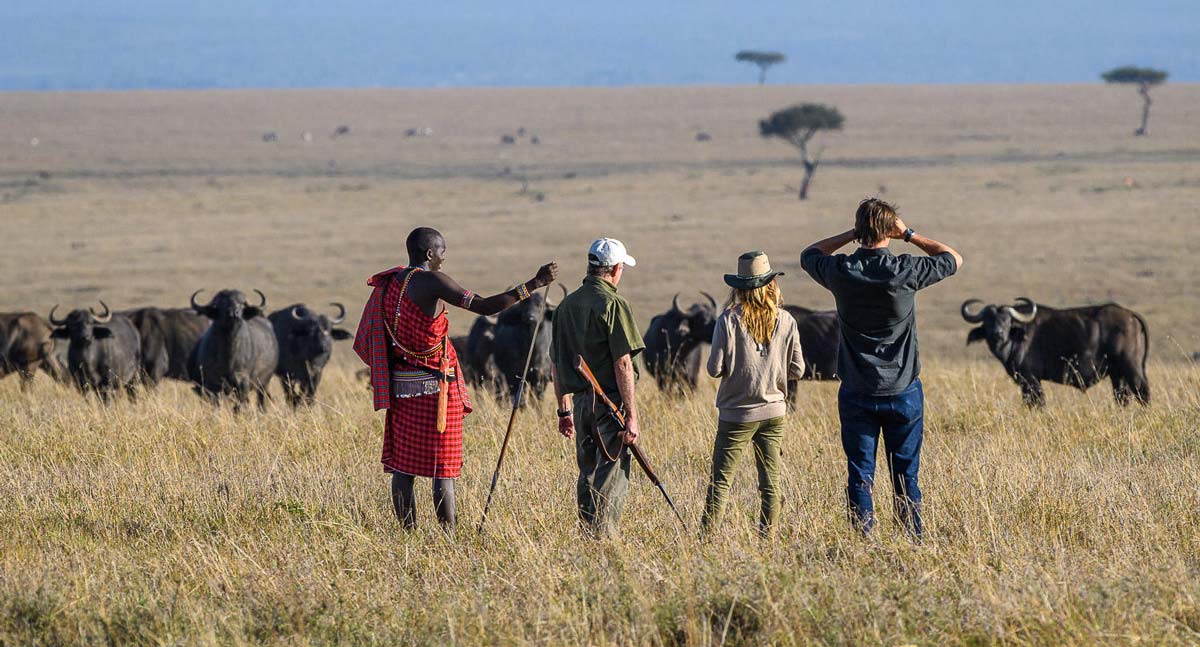
Safari regions, by contrast, operate within controlled environments. Lodges, camps, and conservancies are designed with safety as a core principle. Access is managed, staff are trained, and activities are structured around professional guides.
Wildlife risk, which is often the biggest concern for travellers, is tightly managed through:
- Guided game drives
- Strict protocols around movement
- Controlled lodge environments
- Experienced rangers and trackers
The result is a paradox. While wildlife exists, the actual risk to travellers on safari is low when rules are followed. In contrast, urban environments without this level of structure present more variable and less predictable risks.
This is why Kenya Safari vs City Safety must be viewed as a comparison of control versus exposure, not danger versus safety.
Transport Between Destinations
The most significant risks in Kenya do not occur in lodges or within well-managed urban areas. They occur during movement between destinations.
Travellers typically move between:
- Nairobi and the Maasai Mara by road or light aircraft
- Nairobi and Amboseli National Park
- Nairobi and coastal destinations such as Diani or Mombasa
- Safari regions and cross-border destinations in East Africa
Each of these transitions introduces variables. Road travel can involve long distances, varying road conditions, and changing environments. Domestic flights are efficient but still require coordination and timing.
Common transport risks include:
- Long road transfers leading to fatigue
- Inconsistent driving standards outside controlled transfers
- Delays or logistical disruptions
- Miscommunication around pick-up and drop-off points
Professional safari operators manage these risks through vetted drivers, structured itineraries, and clear logistics. However, travellers who attempt to manage transport independently or deviate from planned arrangements increase their exposure.
Understanding that movement is the highest-risk phase of travel is essential. It is not the destination itself, but how you get there that requires the most attention.
Where Travellers Misjudge Risk
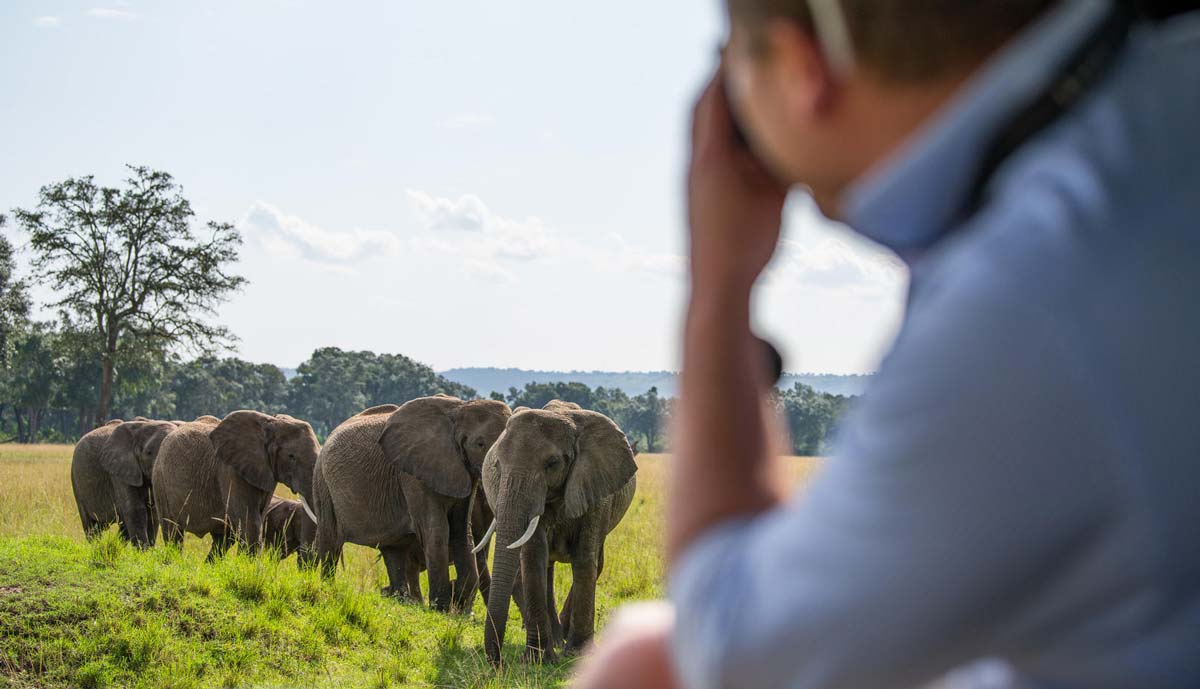
One of the most consistent patterns in Kenya travel is the misjudgment of risk. Travellers tend to overestimate the dangers of safari environments and underestimate the risks associated with urban movement.
This misalignment leads to behaviour such as:
- Being overly cautious on safari despite structured safety
- Relaxing awareness in cities due to perceived familiarity
- Walking unnecessarily in urban areas
- Underestimating the importance of transport planning
Safari environments feel unfamiliar because of wildlife and remote settings, but they are highly controlled. Cities feel familiar because of infrastructure and activity, but they require more personal responsibility.
Another common misjudgment is assuming that organised travel eliminates all risk. While professional operators significantly reduce exposure, unexpected situations can still occur. These include:
- Medical issues during travel
- Lost documents in transit
- Missed connections or delays
- Communication challenges in unfamiliar settings
The key issue is not the presence of risk, but how quickly and effectively it is managed when it arises.
Planning a Safe Itinerary
A safe Kenya itinerary is not defined by avoiding certain destinations, but by how those destinations are connected and managed.
Effective planning includes:
- Using reputable tour operators for safari and transport
- Structuring travel days to avoid unnecessary fatigue
- Minimising unplanned movement, particularly in urban areas
- Confirming all transfers and logistics in advance
- Maintaining clear communication with accommodation providers
For most travellers, a well-planned safari itinerary offers one of the safest travel experiences in Africa. The combination of professional guides, controlled environments, and structured activities significantly reduces exposure.
In contrast, unstructured time in cities introduces more variables. This does not mean avoiding Nairobi or other urban centres, but rather managing time there with awareness and planning.
Combining safari and city experiences is one of the strengths of Kenya travel. The key is recognising that each environment requires a different approach to safety.
Travel Safety Apps Across Multi-Region Travel
Kenya Safari vs City Safety highlights one critical factor. Risk does not remain constant. It changes rapidly as travellers move between environments.
TravelSafe SOS provides a consistent safety layer across all stages of travel. Whether in Nairobi, in transit, or in a remote safari location, travellers have immediate access to coordinated support.
This includes:
- Real-time location tracking during an incident
- A central control centre that assesses and manages the situation
- Immediate alerts to your insurer, travel agent, and next of kin
- Coordination of medical, security, or logistical response
This continuity is particularly valuable in Kenya, where itineraries often span multiple environments with different risk profiles.
Instead of adapting to each environment independently, travellers have a single, structured response system that operates across all of them.
This reduces uncertainty and ensures that, regardless of where an issue occurs, it is managed quickly and effectively.