
Understanding Safari Safety in the Masai Mara
The Masai Mara is a highly controlled safari environment where safety is built around experienced guides, structured camps, and strict behavioural protocols. The main risks are wildlife-related and logistical due to remoteness, not crime. Travellers who follow guiding instructions and remain within established safari systems experience a safe and well-managed wildlife destination.
The Masai Mara is often perceived as dangerous because of its density of wildlife, particularly during the Great Migration. In reality, it is one of the most professionally managed safari ecosystems in Africa.
Safety is achieved through structure:
- guided game drives
- controlled camp environments
- regulated vehicle movement
- strict interaction rules
Visitors are not operating independently in the wilderness. They are part of a system designed to minimise exposure while allowing close wildlife viewing.
Risk is present, but it is managed through experience and discipline.
Wildlife Encounters and Behavioural Risk
The Masai Mara offers some of the closest wildlife encounters in Africa. This includes:
- lion prides at close range
- cheetah hunts
- large concentrations of wildebeest and zebra
- river crossings involving crocodiles
Despite this, wildlife incidents involving tourists are rare.
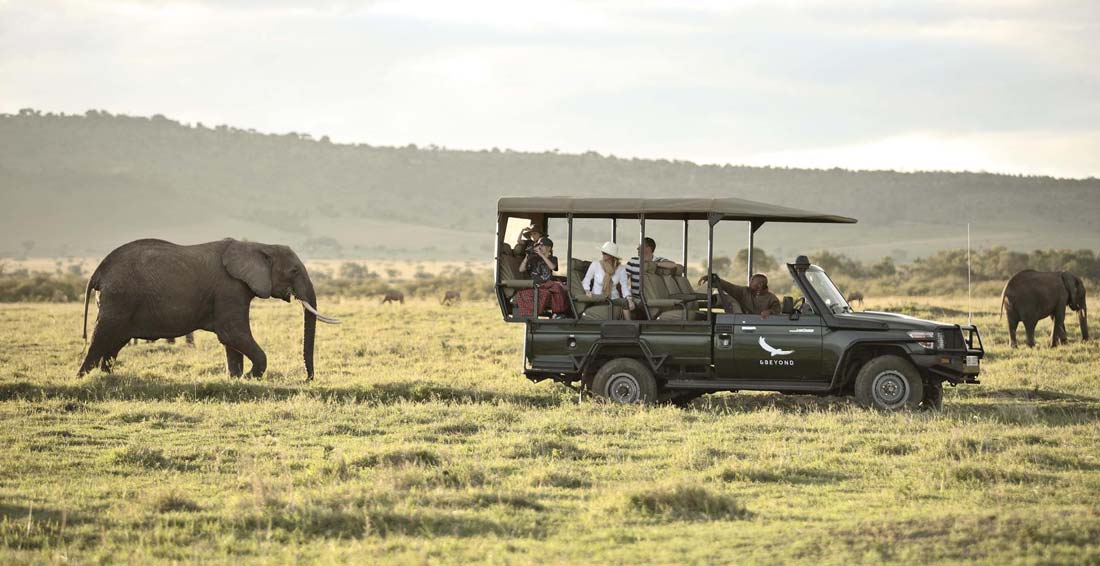
Animals in the Mara are habituated to vehicles, not to people on foot. This distinction is critical.
Risk increases when:
- travellers stand up or lean out of vehicles
- noise or sudden movement attracts attention
- vehicles position too aggressively near animals
Predators respond to behaviour, not presence.
The system works because guides control positioning and interaction. Travellers must remain passive participants.
The Role of Professional Guides
Guides are the primary safety mechanism in the Masai Mara.
They are trained to:
- interpret animal behaviour
- position vehicles safely
- anticipate movement
- manage risk during close encounters
During high-intensity events such as river crossings or hunts, guides make rapid decisions that determine safety.
Travellers often underestimate how much is being managed in the background:
- distance control
- escape routes
- crowding between vehicles
Without this expertise, risk would increase significantly.
This is why walking unaccompanied or acting independently is not permitted in most safari contexts.
Camp Safety and Night-Time Exposure
Camps in the Masai Mara vary between:
- fully fenced lodges
- unfenced tented camps
In unfenced environments, wildlife moves freely through camp areas.
This is part of the experience, but it requires discipline.
Night-time introduces the highest exposure:
- predators are more active
- visibility is reduced
- movement is restricted
Travellers should:
- use escorts when provided
- avoid walking alone
- follow all camp instructions
The environment remains wild, even within camp.
Migration Season and Increased Complexity
During the Great Migration, the Masai Mara becomes more dynamic.
Large herds attract predators, increasing:
- animal movement
- unpredictability
- density of wildlife
River crossings add another layer of risk:
- crocodile activity
- strong currents
- chaotic herd movement
However, these events are still managed safely through:
- controlled viewing distances
- guide positioning
- restricted access
The intensity increases, but so does professional oversight.
The danger is not the event itself, but misunderstanding how to behave within it.
Medical Risk and Remote Logistics
The Masai Mara is remote. Access to advanced medical care is limited within the reserve.
Serious medical situations require:
- evacuation by air or road
- transfer to Nairobi
Common issues include:
- dehydration
- gastrointestinal illness
- injuries
- underlying conditions escalating
The key challenge is:
👉 time to treatment
Even minor issues can become serious if not managed early.
Travellers should understand that while care is available, it is not immediate.
Travel Between Camps and Airstrips
Movement within the Masai Mara often involves:
- light aircraft transfers
- game drive transfers between camps
- road travel on uneven terrain
Risks include:
- delays due to weather
- rough landing strips
- long transfer times
These are not dangerous in themselves, but they increase exposure if:
- travellers are unprepared
- schedules are tight
- coordination is poor
Understanding how travel works reduces stress and improves safety.

Emergency Response in the Masai Mara
Emergency response is structured but dependent on coordination.
In serious situations:
- camp staff conduct initial assessment
- communication is made with operators
- evacuation is arranged
- transfer to Nairobi is coordinated
Response time depends on:
- location
- weather
- availability of aircraft
Delays are part of operating in a remote environment.
The system is reliable, but it is not immediate.
Travel Safety Apps and Remote Safari Response in Kenya
In remote environments like the Masai Mara, response depends on coordination rather than proximity. TravelSafe SOS provides a centralised activation point, allowing travellers to trigger assistance that connects camps, evacuation teams, and medical providers. When time and communication are critical, this structured response ensures that incidents are managed quickly and efficiently despite the remoteness of the location.
Frequently Asked Questions
What should you do if a predator walks directly past your safari vehicle
Remain completely still and silent. Predators often ignore vehicles unless movement or noise draws attention. Standing up, reaching out, or reacting suddenly increases risk. The safest approach is to allow the animal to pass without disturbance, following the guide’s instructions at all times.
Are river crossings dangerous to watch during the migration
River crossings are chaotic but are viewed from controlled distances. The danger exists for animals, not for observers in vehicles. Guides position vehicles safely and avoid unstable areas. Travellers should remain seated and avoid leaning out during these events.
Can animals enter your tent at night in unfenced camps
In unfenced camps, animals can move through camp areas, including near tents. However, incidents are rare because camps are designed with awareness of wildlife movement. Guests are instructed on safe behaviour and often escorted after dark to reduce exposure.
How do guides manage multiple vehicles around a sighting
Guides communicate with each other to manage positioning and avoid overcrowding. Experienced drivers maintain distance and avoid blocking escape routes for animals. Poor positioning increases risk, which is why professional guiding is critical in high-density wildlife areas.
What happens if someone becomes seriously ill during a safari
If a traveller becomes seriously ill, camp staff initiate a response that may involve evacuation to Nairobi. This can include air transfer depending on location and severity. Early recognition of symptoms is essential, as delays increase risk in remote environments.
Is it safe to travel between camps by road in the Masai Mara
Yes, but road conditions can be rough and travel times longer than expected. Transfers are managed by experienced drivers who understand terrain and wildlife movement. Travellers should remain inside vehicles and follow instructions during transfers.
Can you walk freely around a safari camp during the day
Movement is usually allowed within defined areas, but guests should remain aware of their surroundings. Even during the day, wildlife may be nearby. Camps provide guidance on safe zones, and these should always be respected.
What is the biggest safety mistake travellers make in the Masai Mara
The most common mistake is treating wildlife encounters as predictable or controlled beyond reality. Standing up, leaning out, or trying to get closer for photos increases risk. The environment is managed, but it is still wild and requires respect.