
Understanding Zanzibar Travel Safety in 2026
Zanzibar is widely considered one of East Africa’s safest beach destinations, attracting honeymooners, families, and safari extensions from Tanzania each year. Its appeal lies in its relaxed island atmosphere, historic Stone Town, and accessible Indian Ocean coastline.
However, safety in Zanzibar is not defined by whether it is “safe or unsafe.” It is defined by how travelers move, where they stay, and how quickly they can respond when something goes wrong.
Most visits are trouble-free, particularly in established resort areas. The risks that do exist are typically situational rather than systemic. These include petty theft, transport-related incidents, health concerns, and occasional harassment in busy tourist zones.
Understanding Zanzibar travel safety in 2026 means recognizing that the island is low-risk overall, but not risk-free. Travelers who plan properly, stay aware of their surroundings, and have access to immediate support experience Zanzibar very differently from those who rely on assumption alone.
Which Areas of Zanzibar Are Safest for Tourists
Zanzibar’s safety profile varies slightly depending on location and type of travel.
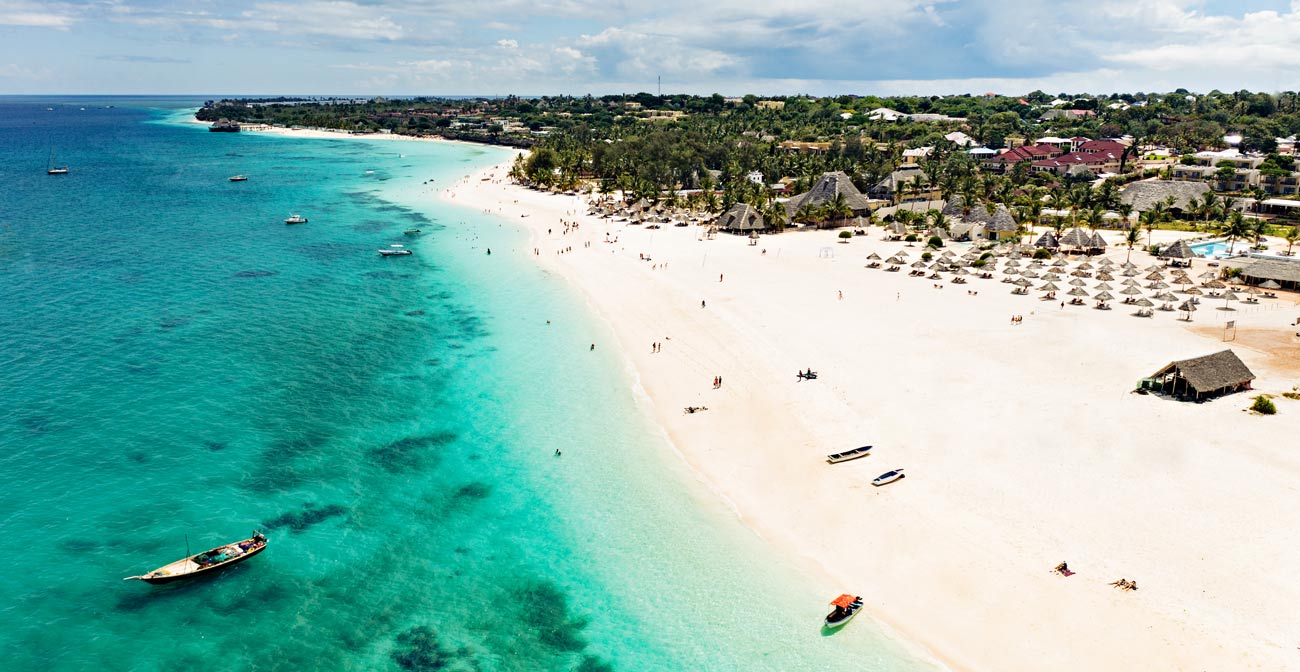
Resort areas such as Nungwi, Kendwa, Matemwe, and the east coast beaches are generally the safest environments. These areas are built around tourism, with structured accommodation, controlled access points, and organized transport. Most visitors spend the majority of their time here without incident.
Stone Town presents a different environment. While it is not inherently dangerous, it is busier, more crowded, and less structured. Narrow streets, markets, and higher foot traffic increase the likelihood of petty theft and scams. Visitors should be more aware here, especially when carrying valuables or walking at night.
More remote or less developed areas of the island require greater awareness, particularly when traveling independently. Limited lighting, fewer formal transport options, and reduced visibility of authorities can increase exposure to risk if movement is not planned properly.
The key distinction is not safe versus unsafe areas. It is structured tourism zones versus unstructured environments. Most incidents occur when travelers move outside structured systems without preparation.
Common Travel Risks in Zanzibar
Zanzibar’s risks are consistent with many tropical island destinations rather than being unique to the region.
Petty theft is the most common issue. This includes pickpocketing in Stone Town, unattended belongings on beaches, and opportunistic theft in crowded areas. These incidents are rarely aggressive but can disrupt a trip significantly if passports, phones, or money are involved.
Scams and persistent vendors can create discomfort for some travelers. Beach sellers, unofficial guides, and tour operators may approach visitors frequently, particularly in high-traffic areas. While not dangerous, these interactions can escalate if not handled confidently.
Transport-related risks are often underestimated. Road conditions vary, driving standards are inconsistent, and taxis are not always regulated. Transfers between the airport, Stone Town, and beach resorts are where many minor incidents occur.
Health risks are another important factor. Zanzibar is a malaria-risk region, and access to high-quality medical facilities is limited compared to mainland Tanzania. Dehydration, food-related illness, and minor injuries can become more serious without rapid access to care.
These risks are manageable. The difference lies in preparation and response capability.
When Does Risk Increase in Zanzibar
Risk in Zanzibar tends to increase in specific situations rather than across the destination as a whole.
Night movement in Stone Town or on quiet beaches increases vulnerability to theft or harassment. Travelers moving alone, especially without clear routes or transport arranged, are more exposed.
Unplanned transport is another trigger. Accepting rides from unverified drivers or negotiating taxis informally can lead to overcharging, unsafe driving conditions, or confusion around destinations.
Carrying visible valuables such as phones, cameras, or jewelry in crowded environments also raises risk. Zanzibar is not a high-crime destination, but visible opportunity can still attract attention.
Health-related risks increase when travelers delay treatment or underestimate symptoms. A minor infection, dehydration, or injury can escalate quickly in a tropical environment without immediate support.
The pattern is clear. Risk is not constant, but it rises when structure disappears.
Safety Tips for Travelers Visiting Zanzibar
Practical travel behavior significantly reduces exposure to risk.
Use pre-arranged transfers through lodges or reputable operators rather than informal taxis. This ensures accountability, route clarity, and safer driving standards.
Limit movement at night in unfamiliar areas, particularly in Stone Town. If you do go out, use known restaurants and return with arranged transport.
Keep valuables secure and avoid displaying expensive items in busy areas. A simple change in behavior reduces most petty theft risks.
Stay in well-reviewed accommodation that provides structured support, including transport assistance and local guidance.
Follow basic health precautions, including malaria prevention, hydration, and awareness of food hygiene.
These are not restrictive measures. They are standard practices that align your travel experience with how Zanzibar is designed to be enjoyed.
Medical and Emergency Response in Zanzibar
One of the most overlooked aspects of Zanzibar travel safety is emergency response.
The island has basic medical facilities, but advanced care is limited. In serious situations, evacuation to mainland Tanzania or another regional hub may be required. This introduces delays, coordination challenges, and reliance on external support systems.
Communication can also be inconsistent. In remote beach areas, immediate access to reliable assistance is not always guaranteed.
This is where preparedness becomes critical. Knowing who to contact, how to escalate a situation, and how quickly help can reach you is more important than the initial incident itself.
Travelers often assume that hotels or tour operators will manage emergencies. In reality, response coordination varies, and responsibility is not always clear in critical moments.
Why Immediate Emergency Support Changes Everything
Most travel risks in Zanzibar are manageable. The real issue is how quickly they are handled when they occur.
A lost passport, a medical emergency, a missing person, or a transport incident all require immediate coordination. Delays increase stress, cost, and exposure to further risk.
This is where a structured emergency response system becomes essential.
TravelSafe SOS provides a direct connection to a 24 hour control center that can assess your situation, coordinate support, and activate the appropriate response. This includes medical assistance, security coordination, and communication with insurers, travel agents, and next of kin.
Instead of relying on fragmented local support, travelers have a single point of contact that manages the situation from start to finish.
The value is not just in solving problems. It is in reducing the time between incident and response. That time difference often determines the outcome.


Is Zanzibar Safe for Tourists Overall
Zanzibar is safe for tourists when approached with awareness and structure.
It is not a high-risk destination, and the vast majority of visitors experience no serious issues. Beach resorts, guided tours, and organized travel systems provide a stable and enjoyable environment.
However, the perception of safety should not replace preparation. Zanzibar’s risks are situational, and they increase when travelers move outside structured systems or delay response to problems.
Understanding how the destination works, planning movement carefully, and having immediate access to support transforms Zanzibar from a perceived risk into a well-managed travel experience.
Safety in Zanzibar is not about avoiding the destination. It is about traveling it correctly.
Frequently Asked Questions
Is Zanzibar safe for tourists at night
Zanzibar is generally safe at night in resort areas, but caution is advised in Stone Town and less populated locations. Walking alone after dark, especially without planned transport, increases exposure to petty crime and harassment. Most incidents occur when travelers move without structure. Using arranged transport and staying within known areas significantly reduces risk.
Is Stone Town safe for tourists
Stone Town is safe during the day and widely visited, but it requires awareness. The narrow streets and busy markets create opportunities for pickpocketing and scams. Travelers should keep valuables secure, avoid isolated areas at night, and use trusted guides if exploring deeper parts of the town.
Do I need malaria protection in Zanzibar
Yes, Zanzibar is a malaria-risk region. Travelers should consult a medical professional before travel and follow recommended precautions. In addition to medication, using insect repellent and sleeping under mosquito nets reduces risk. Early treatment is important if symptoms develop during or after travel.
Are taxis and transfers safe in Zanzibar
Taxis are widely available but not always regulated. The safest option is to use transfers arranged through your accommodation or a reputable operator. This ensures reliable drivers, safer vehicles, and clear routes. Informal taxis can be inconsistent in pricing, safety standards, and reliability.
What is the biggest safety risk in Zanzibar
The biggest risk in Zanzibar is not violent crime, but a combination of petty theft, transport issues, and delayed response to medical or travel incidents. These risks become more serious when travelers lack structure or immediate support. Having a clear plan and access to emergency assistance significantly reduces overall exposure.