

Understanding Nairobi Travel Safety in 2026
Nairobi is one of Africa’s most important transport and business hubs, acting as the primary gateway to Kenya’s safari circuit. Most international travellers pass through the city at least once, typically moving between Jomo Kenyatta International Airport, hotels, and onward safari destinations such as the Masai Mara.
Safety in Nairobi is not defined by the city as a whole, but by how travellers move within it. The difference between a smooth transit experience and exposure to risk comes down to structure, planning, and awareness.
The majority of visitors experience no serious issues, particularly when staying in established areas and using arranged transport. However, Nairobi is a large and complex urban environment where crime is more visible than in beach or safari destinations.
Understanding Nairobi travel safety in 2026 means recognizing that risk is situational. When movement is controlled and predictable, the city functions efficiently. When it is not, exposure increases quickly.
Which Areas of Nairobi Are Safest for Travellers
Nairobi has clearly defined zones that are considered safer for international visitors.
Westlands, Karen, and Gigiri are the primary areas used by tourists, business travellers, and diplomatic communities. These areas are supported by established hotels, restaurants, and private security infrastructure. Movement within these zones is generally structured and predictable.
The central business district is widely used during the day for meetings and transit but becomes less predictable after hours. Visitors typically limit time here and avoid unnecessary movement at night.
Higher-risk exposure tends to occur outside these core zones, particularly in unfamiliar neighbourhoods where tourists have no clear reason to be.
The key principle is simple. Nairobi is safest when travellers remain within known, structured environments and avoid unnecessary exploration without guidance.
Crime Risks and Real Exposure in Nairobi
Crime in Nairobi is real, but it is also highly predictable. Most incidents are opportunistic rather than targeted.
Common risks include pickpocketing, phone theft, and bag snatching, particularly in crowded areas or when valuables are visible. These incidents are usually quick and non-confrontational but can disrupt travel significantly.
More serious incidents can occur, particularly after dark or when travellers move outside established areas. These are far less common but are typically linked to poor movement decisions rather than random targeting.
Risk increases in specific scenarios:
walking alone
moving at night
using unverified transport
displaying valuables openly
entering unfamiliar areas without local knowledge
The pattern is consistent. Nairobi is not dangerous when navigated correctly, but it does not tolerate unstructured movement.
Transport and Movement Are the Biggest Risk Factor
Transport is the single most important safety variable in Nairobi.
Most problems arise not from where travellers stay, but how they move between locations.
The safest options include hotel-arranged transfers, registered ride-hailing services such as Uber, and pre-arranged safari transport. These provide accountability, route clarity, and a controlled environment.
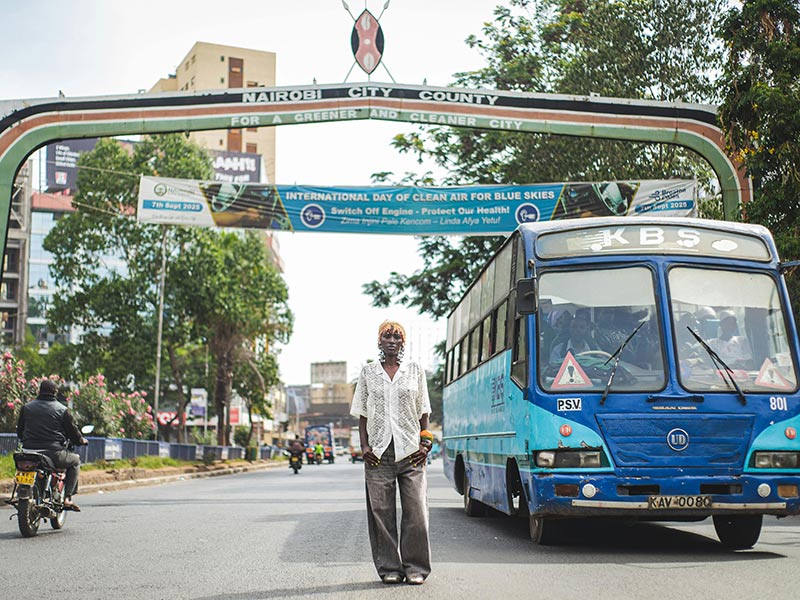
Public transport, particularly matatus, is not suitable for visitors. These systems are informal, unpredictable, and operate without the safety standards expected by international travellers.
Airport transfers are a key moment of exposure. Arriving in a new city, often at night, and negotiating transport without preparation increases risk unnecessarily.
The safest approach is simple. Every movement should be planned in advance.
Night Safety in Nairobi
Night movement is where risk increases most noticeably.
Dining in established areas such as Westlands or Karen is generally safe when transport is arranged. Hotels, restaurants, and controlled environments provide a secure setting.
The risk begins when travellers move on foot, use informal transport, or enter unfamiliar areas after dark. Nairobi is not a walking city for visitors, particularly at night.
Most experienced travellers adopt a structured approach:
move by vehicle only
use trusted drivers
limit unnecessary movement
return directly to accommodation
This approach is not restrictive. It aligns with how the city is designed to be navigated safely.
Healthcare and Emergency Response in Nairobi
Nairobi has some of the strongest private healthcare facilities in East Africa. Hospitals such as Aga Khan University Hospital and Nairobi Hospital provide high-quality care, modern equipment, and experienced medical professionals.
This is a major advantage compared to many other African destinations.
However, emergency response is not only about hospital quality. It is about coordination. Traffic congestion, communication delays, and uncertainty around who manages the situation can affect response times.
In a medical or security incident, the challenge is rarely finding care. It is managing the process quickly and efficiently.
Travellers often rely on insurance or hotel support, but these systems are not always immediate or coordinated in real time.
When Risk Actually Increases in Nairobi
Risk in Nairobi is not constant. It increases in predictable situations.
Unplanned arrivals, particularly at night, create immediate exposure. Travellers without arranged transport are forced to make decisions quickly in an unfamiliar environment.
Visible wealth increases attention. Phones, cameras, and jewellery displayed openly in busy areas create opportunity for petty crime.
Fatigue is another factor. Many travellers arrive after long international flights and make poor decisions around transport or movement as a result.
Independent exploration without local knowledge also increases exposure. Nairobi is not structured for casual wandering in the same way as smaller tourist destinations.
The pattern is clear. Risk increases when control is lost.

Practical Safety Advice for Nairobi
Simple, structured behaviour significantly reduces risk.
Arrange all airport transfers in advance
Use registered ride-hailing services or hotel transport
Avoid walking unnecessarily, especially at night
Keep valuables out of sight in public areas
Stay within known areas such as Westlands, Karen, and Gigiri
Plan movements between locations before leaving your hotel
These are not extreme precautions. They are standard practices used by experienced travellers moving through Nairobi every day.
Why Immediate Emergency Support Matters in Nairobi
Most incidents in Nairobi are manageable. The real issue is how quickly they are handled.
A medical emergency, a lost passport, a transport incident, or a security concern all require immediate coordination. Delays increase complexity and stress.
TravelSafe SOS provides a structured response system that removes this uncertainty.
With one activation, the control centre can locate the traveller, assess the situation, and coordinate the appropriate response. This includes medical support, security assistance, and communication with insurers, travel agents, and family.
In a city like Nairobi, where movement, traffic, and coordination all affect outcomes, response time is critical.
The difference is not whether help exists. It is how quickly it is activated and managed.
Is Nairobi Safe for Travellers Overall
Nairobi is safe for travellers when approached with structure and awareness.
It is a functional, well-connected city that supports millions of international visitors each year. Hotels, transport systems, and safari logistics are well developed and reliable when used correctly.
However, Nairobi is not a passive destination. It requires travellers to make informed decisions about movement, transport, and behaviour.
When these factors are managed properly, Nairobi becomes a smooth and efficient gateway to East Africa.
Safety is not about avoiding the city. It is about navigating it correctly.
Frequently Asked Questions
Is Nairobi safe for tourists
Nairobi can be safe for tourists when they stay in established areas and use structured transport. Most visitors experience no issues when movement is planned and controlled. Problems tend to arise when travellers move independently without local knowledge or use informal transport options.
Which areas of Nairobi are safest
Safer areas include Westlands, Karen, and Gigiri. These areas have strong security presence, established hotels, and are commonly used by international visitors. Movement within these zones is predictable and supported by structured transport options.
Is it safe to walk in Nairobi
Walking is generally not recommended, particularly outside secure areas or after dark. Nairobi is a vehicle-based city for visitors, and most travellers rely on arranged transport rather than moving on foot between locations.
Is Uber safe in Nairobi
Ride-hailing services such as Uber are widely used and considered one of the safest ways to move around the city. They provide traceability, known pricing, and a more controlled environment compared to informal taxis.
What is the biggest safety risk in Nairobi
The biggest risk is unstructured movement, particularly around transport. Using unverified drivers, arriving without a plan, or moving at night without arranged transport increases exposure more than any single crime risk.
Does Nairobi have good hospitals
Nairobi has some of the best private hospitals in East Africa. Facilities offer high-quality care and are widely used by international travellers. The main challenge is not medical quality, but coordinating response quickly in an emergency.