
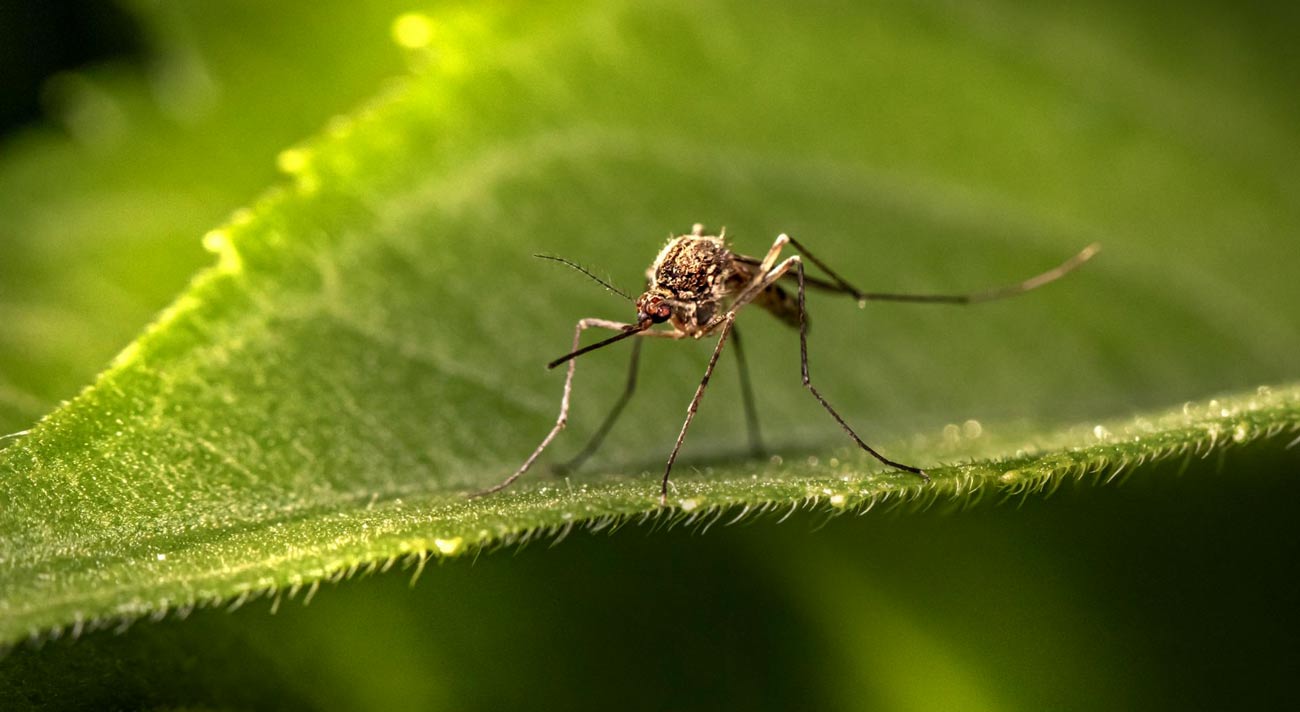
Malaria Risk in Kenya for Travellers
Malaria remains one of the most common health concerns for people planning a holiday to Kenya. The good news is that it is also one of the most predictable travel risks in Africa. Understanding where malaria occurs, how it is prevented and what to do if symptoms develop allows visitors to enjoy Kenya with confidence rather than anxiety.
Understanding Malaria Risk in Kenya
Few travel health topics generate as much confusion as malaria.
Search online and travellers are confronted with conflicting advice. Some websites suggest that every visitor should take antimalarial medication regardless of where they are travelling. Others imply that malaria is becoming less common and therefore not worth worrying about. Government advisories, travel forums, social media groups and well-meaning friends often provide completely different recommendations.
The reality lies somewhere in the middle.
Malaria is present in Kenya, but it is not present everywhere. Risk varies according to altitude, climate, rainfall, season and geography. A traveller spending two nights in Nairobi before flying home faces a very different level of exposure from someone combining the Masai Mara with Diani Beach and the Lake Victoria region.
This is why experienced travel medicine specialists ask one question before recommending medication.
“What is your itinerary?”
The itinerary determines the risk.
That distinction is important because many visitors wrongly assume that a country either has malaria or it does not. Kenya demonstrates why that assumption is incorrect. Within a single holiday it is possible to move between areas where malaria transmission is extremely uncommon and others where preventive medication is strongly recommended.
The objective is therefore not to fear malaria.
It is to understand it.
Modern preventive medication, mosquito control measures and early diagnosis have dramatically reduced the likelihood of serious illness among international travellers who prepare properly. Today, the greatest danger is rarely malaria itself. It is misunderstanding where exposure occurs or delaying treatment because symptoms are mistaken for influenza or simple travel fatigue.
Understanding the disease before you leave home is one of the simplest and most effective ways to protect yourself throughout your journey.
Malaria Is Not Distributed Evenly Across Kenya
One of the biggest misconceptions among first-time visitors is that malaria risk remains the same throughout Kenya.
Nothing could be further from reality.
Altitude is one of the most important factors influencing malaria transmission. Mosquitoes that carry malaria thrive in warm, humid environments where temperatures remain suitable for breeding throughout the year. As altitude increases and temperatures become cooler, transmission falls dramatically.
This is why Nairobi is generally regarded as a low-risk destination while much of the Kenyan coastline is considered a higher-risk environment.
The same principle applies across other parts of the country.
Travellers moving from the central highlands towards coastal regions or lower-altitude lake districts are entering environments where mosquito populations become more active and where malaria transmission is more likely to occur.
The important message is not that one destination is safe and another dangerous.
It is that your level of exposure changes as your journey progresses.
Understanding this geographical variation allows travellers to make sensible decisions about medication, mosquito protection and personal behaviour rather than applying the same assumptions to every destination.
For many visitors, that knowledge alone removes a great deal of unnecessary uncertainty.
Where Is Malaria Risk Highest in Kenya?
For most international visitors, this is the question that determines every other decision.
Should you take malaria tablets?
Do your children need prophylaxis?
Will insect repellent alone be sufficient?
Can you safely enjoy an evening game drive or dinner on the beach?
The answer depends entirely on where you are travelling.
Kenya’s coastline remains one of the country’s principal malaria risk zones. Popular destinations such as Mombasa, Diani Beach, Watamu, Malindi and Kilifi combine warm temperatures with humidity that allows mosquito populations to thrive throughout much of the year. These destinations attract hundreds of thousands of international visitors annually, and the vast majority enjoy completely healthy holidays, but malaria prevention should form part of normal travel planning rather than an afterthought.
The Lake Victoria basin also experiences relatively high malaria transmission because of its lower altitude and favourable climate. Travellers visiting western Kenya or combining safari experiences with community or conservation projects in this region should discuss prophylaxis with their healthcare provider before departure.
Safari travellers often ask specifically about the Masai Mara.
The answer is not quite as straightforward as many websites suggest.
The reserve sits at a higher altitude than the Kenyan coast, and malaria transmission is generally lower than in coastal regions. Nevertheless, the Mara is still regarded as an area where prophylaxis is commonly recommended for international visitors, particularly because many itineraries combine the reserve with Nairobi, the coast or lower-altitude destinations where exposure increases. The decision should therefore be based on the complete itinerary rather than one destination in isolation.
The important principle is simple.
Think about your entire holiday, not just the place where you expect to spend the most time.
A single night in a higher-risk region may influence the medical advice you receive before departure.
Why Nairobi Is Different
Many travellers are surprised to learn that Nairobi is generally considered a low-malaria-risk city.
Its elevation of approximately 1,800 metres above sea level creates a cooler climate that is considerably less favourable for sustained malaria transmission than lower-lying parts of Kenya.
For business travellers spending several days only in Nairobi, malaria medication may not always be recommended.
This often creates confusion because holidays rarely end there.
A visitor may spend two nights in Nairobi before flying to the Masai Mara, continue to Diani Beach for five nights and finally return to Nairobi for an international departure. Looking only at the first and last nights would underestimate the overall risk profile of the journey.
This is why experienced travel doctors always begin by examining the complete itinerary.
They are not prescribing medication for Nairobi.
They are prescribing for the journey.
Travellers should also remember that mosquito exposure is cumulative. Even where transmission is lower, avoiding mosquito bites remains sensible practice. Repellent, long sleeves during the evening and accommodation with screened rooms continue to reduce exposure to mosquitoes carrying not only malaria but other mosquito-borne illnesses.
Altitude reduces risk.
It does not eliminate the importance of prevention.
Do You Need Malaria Tablets for Kenya?
Few travel health questions generate more debate than this one.
The answer is almost never simply “yes” or “no.”
Instead, healthcare professionals balance several factors before making a recommendation.
Your itinerary is the most important consideration, but your age, medical history, pregnancy status, existing medication and previous reactions to antimalarial drugs may also influence the decision.
The medicines most commonly recommended for travellers visiting Kenya include:
- Atovaquone-proguanil (often known by the brand name Malarone).
- Doxycycline.
- Mefloquine for selected travellers.
Each has advantages and disadvantages.
Some are taken daily.
Others are taken weekly.
Some are better suited to shorter holidays, while others may be more appropriate for extended travel. Side effects also vary considerably between individuals, which is why choosing medication should always be discussed with a healthcare professional rather than relying solely on internet advice.
Travellers occasionally ask whether they can simply rely on insect repellent instead of taking tablets.
For low-risk itineraries that may sometimes be appropriate, but for higher-risk regions, preventive medication and mosquito avoidance should be viewed as complementary rather than alternative strategies.
Neither replaces the other.
Together they provide the greatest level of protection.
Mosquito Avoidance Remains Your Best Daily Defence
One of the biggest misunderstandings surrounding malaria is the belief that tablets alone solve the problem.
They do not.
Antimalarial medication dramatically reduces the likelihood of developing serious illness, but preventing mosquito bites remains equally important.
Fortunately, this does not require complicated routines.
Most malaria-carrying mosquitoes are most active between dusk and dawn. This means that the greatest opportunity for prevention occurs during the evening, when many travellers are enjoying sundowners on safari, outdoor dinners or beach restaurants overlooking the Indian Ocean.
Simple habits make a significant difference.
Applying an effective insect repellent before sunset, wearing lightweight long sleeves when practical, sleeping in screened or air-conditioned accommodation and using mosquito nets where provided all contribute to reducing exposure.
Luxury safari lodges and high-quality beach resorts also invest heavily in mosquito management through landscaping, room screening and regular control programmes. These measures create an additional layer of protection but should never replace personal responsibility.
The goal is not to eliminate every mosquito.
It is to reduce the likelihood of being bitten by one carrying malaria.
That distinction is important because good prevention works through several overlapping layers rather than a single solution.
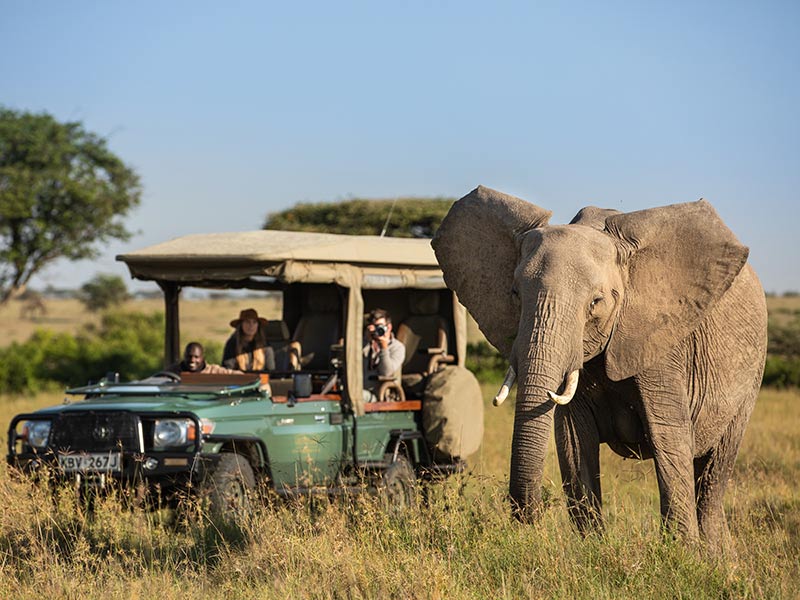

Recognising Symptoms Could Save Your Life
The greatest danger associated with malaria is often not the infection itself.
It is failing to recognise it early.
Initial symptoms frequently resemble influenza.
A mild fever, headache, muscle aches, fatigue or chills after a safari holiday may appear entirely unremarkable, particularly after a long international flight.
Many travellers assume they have caught a virus or are simply exhausted.
That delay can become dangerous.
Malaria should always be considered a medical emergency in anyone who develops flu-like symptoms during travel or within weeks of returning from a malaria area.
The disease is highly treatable when diagnosed promptly.
Rapid diagnostic tests are widely available in Kenya’s larger private hospitals and treatment is extremely effective when started early.
Waiting several days in the hope that symptoms will disappear is never advisable.
One of the most important travel health habits is remarkably simple.
If you develop a fever after visiting a malaria region, tell the doctor exactly where you have travelled.
That single piece of information immediately changes the way healthcare professionals assess your illness.
What Happens if You Develop Malaria on Safari?
This is one of the questions that worries travellers most, yet it is rarely explained properly.
Professional safari operators have extensive experience dealing with medical situations because they operate in remote environments every day.
If a guest becomes unwell, the response normally begins at lodge level.
Guides and camp managers assess the situation, arrange medical consultation where appropriate and determine whether transfer to a larger medical facility is necessary. Depending on the location and severity of symptoms, this may involve road transport, scheduled aviation or specialist medical evacuation.
The important point is that malaria is not an unfamiliar event for tourism professionals operating in East Africa.
Established procedures already exist.
The challenge is ensuring that assessment begins quickly enough.
This is where communication becomes critical.
Knowing who to contact, how to access appropriate healthcare and how to coordinate insurers, transport providers and medical professionals often determines how efficiently treatment begins.
Why TravelSafe SOS Makes a Difference
Malaria is rarely a disease of uncertainty.
It is a disease of timing.
The earlier symptoms are recognised and appropriate treatment begins, the better the outcome is likely to be.
TravelSafe SOS was developed for precisely these situations.
If a traveller develops concerning symptoms while moving between Nairobi, the Masai Mara, Amboseli, the Kenyan coast or another remote destination, activating the SOS feature immediately alerts the TravelSafe SOS Control Centre.
Experienced coordinators assess the situation and begin arranging the appropriate response.
Depending on the traveller’s location and condition, this may include liaising with local medical providers, organising transport to suitable healthcare facilities, coordinating medical evacuation where necessary and communicating with travel insurers, travel agents and nominated next of kin.
The greatest value lies in removing uncertainty.
Travellers do not need to decide which hospital is most appropriate, how to contact their insurer from a remote safari camp or how to explain the situation to family members while feeling seriously unwell.
Instead, one experienced coordination centre manages the process from the first call for assistance until appropriate care has been arranged.
Final Thoughts
Malaria should never prevent anyone from experiencing Kenya.
Millions of visitors travel safely through the country every year because they understand that malaria is a predictable health risk rather than an unpredictable threat.
Knowledge, preparation and prompt action remain the foundations of safe travel.
Understand your itinerary.
Discuss preventive medication before departure.
Reduce mosquito exposure every evening.
Take flu-like symptoms seriously during and after your holiday.
Most importantly, remember that malaria is one of the most treatable tropical diseases when recognised early.
The risk increases not because travellers visit Kenya, but because symptoms are ignored or treatment is delayed.
With sensible preparation, malaria becomes one of the easiest travel health risks to manage, allowing you to focus on what you travelled to Kenya to experience in the first place: extraordinary wildlife, remarkable landscapes and one of Africa’s most rewarding destinations.
Travel Kenya with Confidence
Whether your itinerary includes Nairobi, the Masai Mara, Amboseli, the Kenyan coast or several destinations across East Africa, preparation remains your best travel companion.
Download TravelSafe SOS before departure and travel knowing that expert medical coordination, emergency assistance and communication support are available whenever you need them.
Frequently Asked Questions
Is malaria common in Kenya
Yes, but malaria is not present uniformly across the country. Coastal areas, the Lake Victoria region and many lower-altitude areas experience higher malaria transmission than Nairobi and Kenya’s central highlands.
Do I need malaria tablets for Kenya
That depends on your itinerary. Many visitors travelling to the coast, safari regions or western Kenya are advised to take prophylaxis. Consult a travel medicine clinic before departure.
Is the Masai Mara a malaria area?
That depends on your itinerary. Many visitors travelling to the coast, safari regions or western Kenya are advised to take prophylaxis. Consult a travel medicine clinic before departure.
When is malaria risk highest in Kenya
The Masai Mara presents a lower malaria risk than the Kenyan coast but is still commonly included in itineraries for which prophylaxis is recommended. Medical advice should be based on your complete travel plans.
Which malaria tablets are commonly prescribed for Kenya?
Atovaquone-proguanil (Malarone), doxycycline and mefloquine are among the medicines commonly prescribed. The most appropriate option depends on your medical history and itinerary.
How soon can malaria symptoms appear?
Symptoms usually develop between seven days and several weeks after infection but may appear later. Any fever following travel to a malaria area should be assessed urgently by a doctor.
Is malaria treatable in Kenya?
Yes. Kenya has excellent private healthcare facilities, particularly in Nairobi, where rapid diagnosis and effective treatment are widely available.
What happens if I develop malaria while on safari?
Safari operators have established medical response procedures. Depending on your location, assessment may occur at the lodge followed by transfer or evacuation to an appropriate medical facility if required.
Can TravelSafe SOS help if I become ill?
Yes. TravelSafe SOS coordinates medical assessment, emergency response, evacuation where necessary and communication with insurers, travel providers and your nominated emergency contacts.
What happens if you get malaria in a safari lodge in Kenya
If symptoms develop in a safari lodge, staff will usually assist with initial assessment and arrange medical support. Depending on severity, this may involve transfer by road or air to a hospital in Nairobi or another major centre. Rapid coordination is critical, which is why having a clear response plan significantly improves outcomes.
Is malaria prevention necessary for Kenya beach holidays
Yes, malaria prevention is necessary for beach destinations such as Mombasa, Diani, and Watamu. These coastal areas provide ideal conditions for mosquito activity due to warmth and humidity. Travellers should apply prevention consistently, even if their trip does not include inland safari regions.