
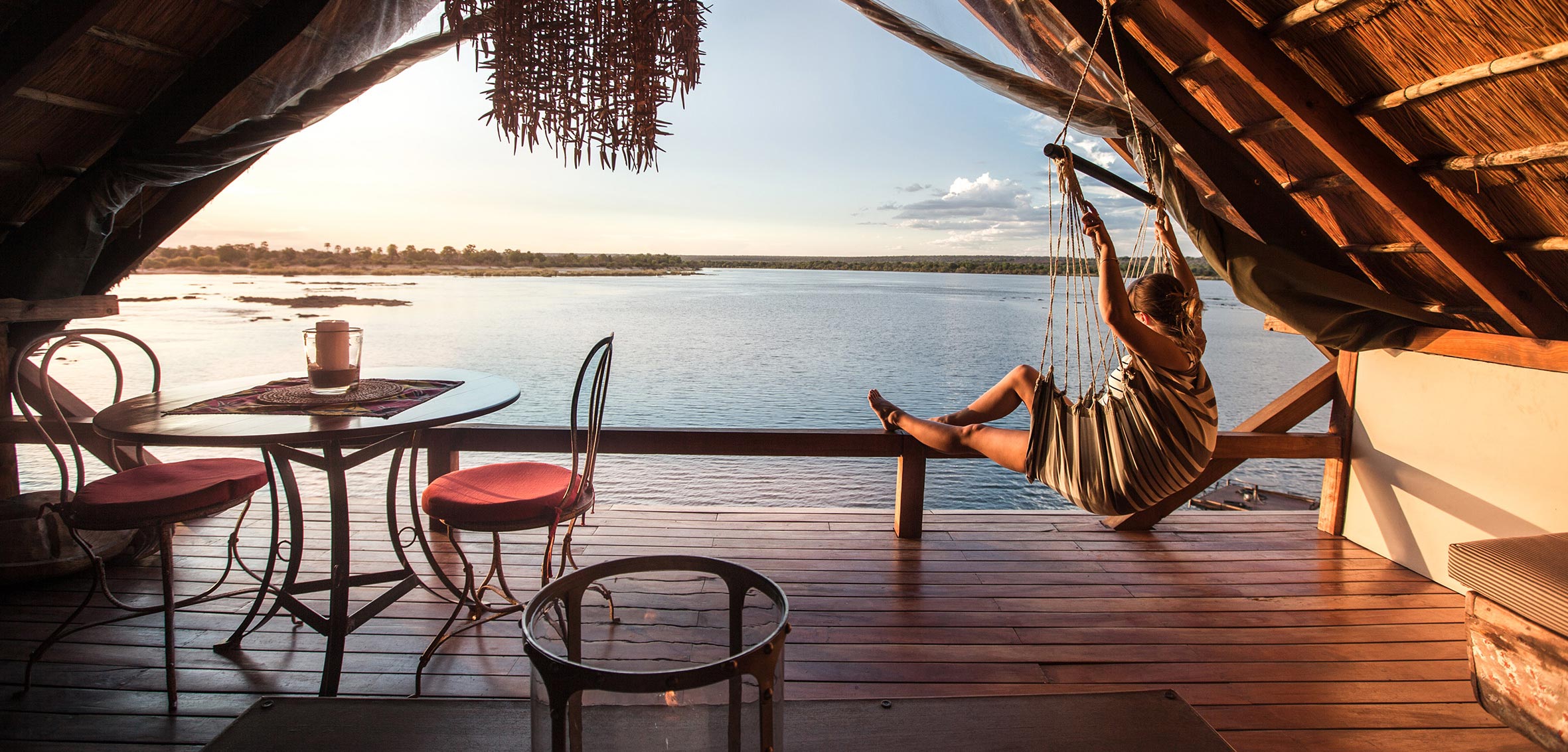
Understanding Zambia Travel Safety
Zambia is one of Africa’s most authentic safari destinations, known for South Luangwa, Lower Zambezi, and Victoria Falls. It offers a more remote and less commercialised experience compared to neighbouring countries, which is both its appeal and its primary safety consideration.
Zambia is generally safe for tourists when travelled through established safari routes and reputable operators. Most visitors move between airports, lodges, and national parks without incident.
However, Zambia is not a destination designed for unstructured travel. Distances are long, infrastructure is limited outside key areas, and access to support depends heavily on planning.
Safety in Zambia is not about avoiding risk entirely. It is about understanding how the environment works and travelling within its structure.
Where Zambia Is Safest for Tourists
Zambia’s safety is strongest within its core tourism environments.
South Luangwa National Park, Lower Zambezi National Park, and Livingstone are all structured destinations with established lodges, guided activities, and controlled access.
Safari environments are highly managed. Movement is guided, wildlife encounters are controlled, and staff are trained to prioritise safety.
Livingstone, as the gateway to Victoria Falls, is also well-developed and widely used by international travellers.
Urban areas such as Lusaka require more awareness, particularly around transport and movement, but are not typically the focus of tourism itineraries.
For most travellers, remaining within safari circuits and established routes keeps risk low and predictable.
Crime Risk and What Travellers Actually Experience
Crime affecting tourists in Zambia is generally low and opportunistic.
Common risks include:
petty theft
pickpocketing
bag or phone snatching in urban areas
Serious crime involving tourists is uncommon within safari environments and tourism hubs.
Risk increases in predictable situations:
moving independently in cities
walking at night
using informal transport
displaying valuables
Safari lodges and national parks operate with minimal exposure to crime due to controlled access and structured movement.
Safari Safety and Wildlife Risk
Zambia is known for walking safaris and close-to-nature wildlife experiences, which often raises safety concerns.
These activities are conducted under strict guidance by trained professionals.
Wildlife risk is managed through:
experienced guides
clear safety protocols
controlled group movement
briefings before activities
The main risk is not wildlife unpredictability, but failure to follow guidance.
Travellers who listen to guides and respect boundaries experience Zambia’s safari environments safely.
Transport and Movement Across Zambia
Transport is one of the most important safety considerations in Zambia.
Road conditions vary, distances between destinations are significant, and driving standards can be inconsistent outside main routes.
Most travellers rely on:
lodge-arranged transfers
guided safari vehicles
domestic flights between key destinations
Flying between safari regions is common and often the safest and most efficient option.
Unplanned or informal transport increases exposure, particularly in urban areas or on long-distance routes.
Healthcare and Emergency Access
Healthcare infrastructure in Zambia is limited outside major cities.
Private medical facilities in Lusaka and Livingstone provide the highest standard of care, but access becomes more restricted in remote safari areas.
In serious situations, response typically involves:
initial assessment at lodge level
evacuation by road or air
transfer to a hospital in Lusaka or a regional centre
The key challenge is not the absence of care, but the coordination required to access it quickly.
Health and Environmental Risks
Health risks in Zambia are typical of remote African safari environments and should be planned for in advance.
These include:
malaria in many regions
heat and dehydration
remote travel conditions
limited immediate medical access
Malaria risk is present in many safari areas, particularly during warmer months, and prevention is typically recommended.
These risks are manageable but require preparation and awareness.
When Risk Increases in Zambia
Risk in Zambia increases in specific scenarios rather than across the destination as a whole.
Unstructured travel in cities increases exposure to petty crime.
Long-distance road travel without planning increases fatigue and transport-related risk.
Remote travel without a clear response plan increases vulnerability in medical situations.
The consistent pattern is this: Zambia is safe when structured, and risk increases when structure is removed.


Practical Safety Advice for Zambia
Simple, structured decisions significantly improve safety.
Use reputable safari operators and lodges
Plan all transport in advance
Avoid unnecessary movement in urban areas
Limit travel at night
Follow all guide instructions during safari activities
Prepare for health risks such as malaria and heat
These practices align with how Zambia is designed to be experienced safely.
Why Immediate Emergency Support Matters in Zambia
Zambia’s biggest safety challenge is not crime, but distance and access.
A medical issue, safari incident, or transport disruption in a remote area requires immediate coordination.
TravelSafe SOS provides a centralized response system that connects travellers to a 24-hour control centre. From the moment an issue occurs, response teams can assess the situation, coordinate assistance, and manage evacuation if required.
This includes medical support, transport logistics, and communication with insurers and travel providers.
In a destination where help is not always nearby, rapid coordination is critical.
Is Zambia Safe for Tourists Overall
Zambia is safe for tourists when travelled correctly.
Its safari environments are among the most controlled and well-managed in Africa, and most visitors experience no issues.
However, Zambia requires a structured approach. It is not suited to unplanned or informal travel.
Travellers who plan properly, use established operators, and understand how the destination works experience Zambia as one of Africa’s most rewarding and authentic safari destinations.
Safety in Zambia is not about avoiding risk. It is about managing it effectively.
Frequently Asked Questions
Is Zambia safe for tourists
Zambia is generally safe for tourists when travelling within established safari routes and using reputable operators. Most visitors experience no issues when movement is structured and planned. Risk increases mainly in urban areas or when travelling independently without guidance.
Is Zambia safe for safari travel
Zambia is one of the safest safari destinations in Africa when using licensed guides and established lodges. Safari environments are controlled, and activities are conducted under strict safety protocols. Travellers who follow guidance and remain within structured environments experience very low risk.
Is Livingstone and Victoria Falls safe
Livingstone is a well-developed tourism hub and generally safe for visitors. Victoria Falls is one of the most visited destinations in Southern Africa, with strong infrastructure and support services. Travellers using organised transport and accommodation experience very low levels of risk.
What are the main risks in Zambia
The main risks include transport safety, health considerations such as malaria, and limited access to advanced medical care in remote areas. These risks are predictable and manageable with planning and structured travel arrangements.
Do I need malaria prevention for Zambia
Malaria risk exists in many parts of Zambia, particularly in safari regions. Travellers are usually advised to take preventive measures, including medication where recommended and practical precautions such as repellent and protective clothing.
Is Zambia safer than South Africa or Kenya
Zambia generally has lower levels of violent crime in tourism areas compared to some larger destinations. However, it has more limited infrastructure and requires more structured travel. Safety depends more on how the trip is organised than on the country itself.
Is it safe to travel around Zambia independently
Independent travel is possible but not recommended for most visitors. Using organised transport and guided travel significantly reduces risk and simplifies logistics, particularly given the distances and infrastructure limitations.
How do tourists get around safely in Zambia
Most tourists travel using lodge-arranged transfers, guided safari vehicles, or domestic flights. These options provide structure, reliability, and significantly lower risk compared to informal transport or self-driving.
What happens if you get sick on safari in Zambia
If you become ill while on safari, lodges provide initial assistance and coordinate medical response. This may involve evacuation by road or air to a hospital in Lusaka or another major centre. Rapid coordination is critical to ensure effective treatment.
Is Zambia safe for families and older travellers
Zambia is safe for families and older travellers when using structured safari lodges and organised itineraries. Many lodges are well equipped to support different traveller needs, and guided environments reduce risk significantly.
Do I need a guide to travel safely in Zambia
While not mandatory, using a guide or organised operator is strongly recommended. Zambia’s remote environments and long travel distances make guided travel the safest and most efficient way to experience the country.