

Kenya Travel Safety 2026: A Complete Guide for Tourists Visiting Nairobi, Safaris, and the Coast
Kenya Travel Safety in 2026 requires structured awareness rather than alarm. Kenya remains one of Africa’s most visited tourism destinations, attracting travelers to Nairobi’s urban energy, the Masai Mara’s wildlife concentrations, Mount Kenya’s alpine terrain, and the Indian Ocean coastline. Most visitors experience safe and rewarding journeys. However, Kenya presents a layered safety environment that varies significantly between urban neighborhoods, remote conservancies, cross-country highways, and coastal settlements.
Understanding Kenya Travel Safety means recognizing how exposure changes by geography, time of day, transport choice, and travel style. Risk is not uniform. It is location-specific and behavior-sensitive. Travelers who use established accommodation, verified transport, professional safari operators, and structured itineraries experience materially lower exposure than those relying on informal systems or moving unpredictably through unfamiliar districts.
Kenya’s risk landscape can be grouped into six primary categories:
• Urban crime exposure
• Road and transport hazards
• Wildlife proximity in safari zones
• Coastal environment conditions
• Political and protest disruption
• Medical access variability
The purpose of this guide is to explain those layers clearly and analytically so travelers can make informed decisions before arrival and while moving through the country.
TravelSafe SOS enhances Kenya Travel Safety by providing a direct connection to a 24 hour control center capable of coordinating assistance across cities, national parks, and coastal zones. In environments where mobile signal fluctuates or local emergency numbers are unclear, structured escalation reduces uncertainty and response delays.
Key Safety Considerations for Travelling in Kenya
Kenya’s most visited regions operate with tourism infrastructure that is experienced and resilient. However, risk patterns differ between environments.
Urban areas such as Nairobi and Mombasa require heightened situational awareness due to variable neighborhood safety. Wildlife conservancies demand strict behavioral discipline due to animal proximity. Rural highways present accident exposure from overtaking behavior, livestock crossings, and limited lighting. Coastal zones remain tourism oriented but require awareness of ocean currents and beach opportunism.
Mobile signal reliability declines significantly outside major towns. Public transport systems, particularly matatus and long-distance buses, are not recommended for international tourists due to overcrowding and unpredictable driving standards.
Petty theft remains the most common risk in dense urban environments. Violent crime targeting tourists is rare but opportunistic incidents occur when individuals move without structure.
Preparation reduces exposure more effectively than avoidance.
Safety in Nairobi: What Travelers Need to Know
Nairobi is both Kenya’s economic center and its most scrutinized city in safety discussions. Crime statistics are elevated compared to rural regions, but exposure is heavily dependent on neighborhood selection and movement patterns.
Established accommodation districts such as Karen, Westlands, Gigiri, and Lavington maintain strong security presence and international visitor traffic. Hotels in these areas operate with layered access control and visible guards. Higher exposure environments include:
• Isolated walking after dark
• Central business district pedestrian movement at night
• Unverified taxi usage
• Bus terminals and transport hubs
• Visible phone usage in congested zones
Scenario Model:
A traveler leaves a restaurant in Westlands at 21:30 and walks two kilometers to a hotel while using a smartphone. Exposure increases due to low foot traffic and device visibility. Contrast this with a pre-booked car transfer directly to a hotel entrance. Exposure is minimal. Nairobi safety is structured by transport choice and time of movement rather than generalized citywide threat. TravelSafe SOS provides added reassurance in Nairobi by offering structured emergency escalation without reliance on unfamiliar local numbers during high stress situations.
Political Stability and Protest Activity
Kenya maintains a functioning democratic system with regular elections. However, election cycles and major political decisions can generate protest activity, particularly in Nairobi.
These protests typically involve:
• Road blockages
• Crowd gatherings
• Police crowd control measures
• Localized disruption
Tourists are rarely targeted. The primary risk is disruption rather than direct aggression. Monitoring local advisories and avoiding large gatherings is sufficient mitigation. Political unrest in Kenya should be understood as episodic and localized rather than systemic instability.
Safety Across Kenya’s Safari Regions
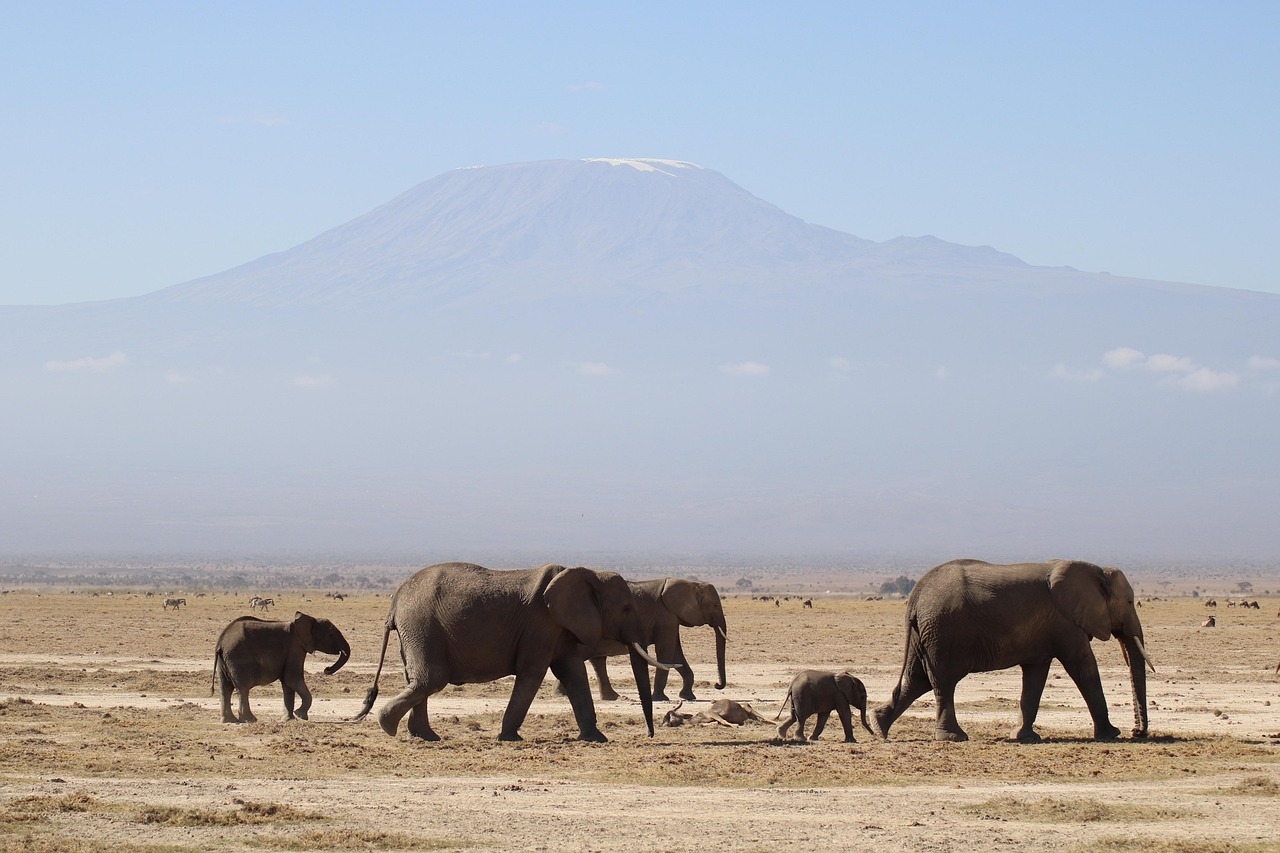
Kenya’s safari ecosystem is one of the most professionally regulated in Africa. National parks and private conservancies such as the Masai Mara, Amboseli, Tsavo, Samburu, and Laikipia operate with established ranger presence and strict wildlife protocols.
Primary safari safety principles include:
• Maintaining distance from wildlife
• Remaining seated inside vehicles
• Avoiding sudden movements near predators
• Exiting vehicles only at approved sites
• Following guide instructions at all times
Wildlife proximity is the primary safety variable. Crime within regulated conservancies is exceptionally rare.
Scenario Model:
A visitor exits a safari vehicle in an unauthorized location to photograph a cheetah at closer range. Exposure escalates immediately due to unpredictable predator behavior.
Adherence to ranger instruction reduces wildlife risk to negligible levels.
Remote conservancies may have limited signal. TravelSafe SOS enhances safari safety by ensuring emergency alerts transmit even in weak connectivity environments.
Safety on Kenya’s Coastline
Kenya’s Indian Ocean coastline, including Diani, Watamu, Malindi, Lamu, and Tiwi Beach, remains tourism focused and widely visited. Safety considerations include:
• Strong ocean currents during monsoon seasons
• Designated swimming zones
• Opportunistic theft when belongings are unattended
• Cultural sensitivity away from beach areas
• Night movement in low traffic coastal zones
Marine risk is environmental rather than criminal. Rip currents and tidal patterns shift seasonally. Following hotel lifeguard guidance significantly reduces water exposure. Coastal security presence in established resorts is visible and structured. Isolated beachfront walking after dark increases vulnerability.
TravelSafe SOS supports coastal travelers during medical incidents, water emergencies, or separation from companions by providing rapid escalation and geolocation support.
Transport and Road Safety in Kenya
Road transport remains one of the highest statistical exposure factors in Kenya. Risk drivers include:
• High-speed overtaking
• Minimal lighting on rural highways
• Speed bumps placed without reflective markings
• Livestock crossing rural roads
• Matatu driving patterns
• Long distance driver fatigue
Self-driving is possible but not recommended for travelers unfamiliar with local road behavior. Vetted drivers and private transfers reduce exposure significantly.
Scenario Model:
Tourist hires informal driver for overnight transfer from Nairobi to Masai Mara. Driver fatigue and poor lighting increase accident probability. Contrast with structured daytime transfer through licensed operator. Exposure decreases materially. Road safety in Kenya requires defensive driving assumptions rather than trust in uniform traffic behavior. TravelSafe SOS enhances safety during long drives by enabling location tracing and rapid response coordination in case of breakdown or collision.
Medical Infrastructure and Emergency Response
Kenya’s medical facilities vary by geography. Nairobi hosts private hospitals with advanced surgical capability. Mombasa and Kisumu offer moderate facilities. Rural regions and remote parks rely on smaller clinics. Medical evacuation becomes critical when:
• Serious trauma occurs outside Nairobi
• Remote safari incidents require air transfer
• Cross-border evacuation is necessary
Air evacuation services operate within Kenya, but coordination clarity determines response speed. Structured emergency communication reduces escalation delay. TravelSafe SOS provides a centralized channel for coordination across regions with variable infrastructure.
Environmental and Seasonal Risk
Kenya experiences seasonal rainfall patterns that influence road and flood conditions. The long rains and short rains seasons can affect rural accessibility and increase road hazard exposure. Heat exposure in arid regions such as Samburu and Tsavo requires hydration discipline. Wildlife movement may increase near water sources during dry periods. Environmental risk in Kenya is primarily infrastructure related rather than targeted personal threat.

Travel Kenya With Confidence and Structured Support
Kenya remains one of Africa’s most extraordinary destinations. Travelers who understand regional safety patterns move confidently through cities, parks, and coastal zones. TravelSafe SOS strengthens Kenya Travel Safety by providing a secure emergency pathway that functions across urban districts, remote conservancies, highways, and beaches.
Download TravelSafe SOS before departure and travel Kenya with verified support in every environment. The app operates in weak signal conditions, connects you to a 24 hour control center, and ensures rapid escalation when required.