
Zambia Travel Safety: Livingstone, Safari and Transfer Risk Guide
Zambia’s National Stability and Structural Risk Profile
Zambia is widely regarded as one of Southern Africa’s more politically stable and socially calm countries. It is landlocked, resource-dependent, and tourism-focused in regions such as Livingstone, South Luangwa, and Lower Zambezi. Unlike some neighboring states, Zambia does not face insurgency, cross-border terrorism exposure, or high levels of violent urban crime.
A serious assessment of whether Zambia is safe must distinguish between structural stability and infrastructure limitation. Zambia’s risk profile is not driven by political volatility or widespread violent crime. It is shaped more by rural infrastructure gaps, road safety exposure, medical capacity outside Lusaka, and environmental variables linked to wildlife and river systems.
Zambia operates as a constitutional democracy with peaceful transfers of power and relatively calm political cycles. Institutional stability is high by regional standards. Security forces maintain visible but non-intrusive presence in urban centers.
Primary safety variables relevant to visitors include:
- Road accident exposure
- Rural medical access limitations
- Wildlife proximity in unfenced safari regions
- Seasonal flooding
- Border crossing logistics
- Infrastructure variability outside major towns
For structured international visitors, Zambia presents one of the lower violent crime risk environments in Southern Africa.
Geographic Risk Differentiation Across South Africa
Zambia cannot be assessed as a single uniform environment.
Lusaka
The capital hosts government institutions, embassies, and major hospitals. Crime levels are moderate and primarily opportunistic. Certain neighborhoods experience higher theft rates, but diplomatic and business districts operate with layered security.
Livingstone
Gateway to Victoria Falls and Zambia’s primary tourism corridor. Highly structured hospitality environment. Crime against tourists is rare and typically limited to petty theft in public markets.
South Luangwa and Lower Zambezi
Remote wildlife areas with minimal criminal exposure. Primary risk relates to wildlife and medical evacuation logistics.
Copperbelt Region
Urbanized industrial region. Crime patterns are similar to Lusaka, concentrated in specific neighborhoods rather than generalized across the city.
Western and Northern Provinces
Rural and infrastructure-limited. Travel here requires logistical planning rather than security concern.
Zambia’s safety environment is largely shaped by remoteness and infrastructure rather than violence.
Urban Crime Patterns and Visitor Exposure
Zambia’s violent crime rate is lower than several neighboring countries. Most incidents affecting visitors involve opportunistic theft.
Common exposure types:
- Pickpocketing in markets
- Phone snatching in dense urban areas
- Bag theft from parked vehicles
- ATM card skimming
- Informal taxi overcharging
Violent targeting of tourists is rare.
Scenario Model 1
Visitor leaves camera equipment visible in parked vehicle outside market. Risk increases due to opportunistic theft.
Scenario Model 2
Visitor uses verified transfer from hotel to airport during daylight. Exposure minimal.
Crime exposure in Zambia is predictable and behavior dependent rather than systemic.
Political Stability and Civil Disruption Risk
Zambia has experienced peaceful elections and transfers of power in recent cycles. Protest activity occurs occasionally but is generally contained and localized.
Key characteristics:
- Protests are usually urban
- Violence levels are low
- Tourists are not targeted
- Security forces maintain order quickly
Political unrest is not a primary safety variable for visitors. Disruption risk is episodic and short-lived.
Road Transport and Accident Exposure
Transport risk represents the most significant safety variable for visitors to Zambia.
Contributing factors include:
- Long distances between towns
- Limited lighting on highways
- Livestock crossing roads
- Seasonal pothole development
- Limited emergency roadside services
- Fatigue during safari transfers
Road accident risk statistically exceeds violent crime risk.
Self-drive is possible but requires caution, especially outside major routes.
Structured lodge transfers significantly reduce exposure.
Safari and Wildlife Safety Environment
Zambia is internationally respected for walking safaris and unfenced camps in regions such as South Luangwa and Lower Zambezi.
Primary exposure factors:
- Close wildlife proximity
- Night movement in unfenced areas
- River hazards along the Zambezi
- Heatstroke during dry season
- Canoe safari navigation risks
Crime within conservancies is negligible.
Medical evacuation logistics become the primary serious risk consideration in remote parks.
Adherence to ranger protocols reduces wildlife exposure dramatically.
Medical Infrastructure and Emergency Capacity
Zambia’s medical capability varies sharply by geography.
Lusaka
Hosts private hospitals capable of trauma stabilization and surgical procedures.
Livingstone
Moderate private facilities available.
Rural Safari Regions
Limited advanced capacity. Serious medical emergencies require evacuation to Lusaka or South Africa.
Air evacuation capability operates regionally.
Medical risk in Zambia is primarily access and transfer speed rather than absence of treatment in major cities.
Travel insurance and coordinated escalation pathways materially improve outcomes.
Cross-Border and Regional Exposure
Zambia borders:
- Zimbabwe
- Botswana
- Namibia
- Angola
- Democratic Republic of Congo
- Tanzania
- Malawi
- Mozambique
The Victoria Falls corridor linking Zambia and Zimbabwe is one of Africa’s most structured cross-border tourism zones.
Primary border exposure risks:
- Administrative delays
- Documentation errors
- Visa confusion
- Fuel shortages near rural crossings
Violent cross-border instability is not typical within tourism corridors.
Environmental and Seasonal Risk
Zambia’s rainy season can affect:
- Rural road accessibility
- Flood-prone river corridors
- Bridge crossings
Dry season exposure includes:
- Heat-related illness
- Dust-related respiratory irritation
- Wildlife concentration near water sources
Environmental risk affects logistics more than personal security.
Institutional Security and Deterrence
Zambia maintains:
- Active national police service
- Stable military structure
- Low levels of organized violent crime
- Visible but non-aggressive security presence
Institutional stability contributes to Zambia’s relatively calm security reputation within Southern Africa.
Risk Probability by Travel Structure
Lower Exposure Profile
- Safari lodge guests
• Livingstone hotel stays
• Pre-arranged transfers
• Guided walking safaris
Higher Exposure Profile
- Independent rural night driving
- Informal taxi use
- Unverified accommodation
- Overland self-drive across remote border crossings
Exposure probability in Zambia is heavily influenced by infrastructure planning rather than crime.
Operational Preparedness for Zambia
Effective risk management includes:
- Daylight rural driving
- Verified transfers
- Confirmed evacuation insurance
- Hydration planning during dry season
- Structured accommodation selection
Zambia presents one of the more stable safety profiles in Southern Africa for structured visitors.
TravelSafe SOS provides centralized 24 hour coordination across Zambia’s cities, safari regions, and cross-border corridors, strengthening escalation clarity in environments where medical access may require coordination.
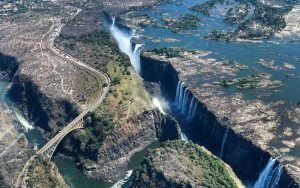
Victoria Falls Activity Safety Guide: Rafting, Helicopter Flights and Adventure Travel
Victoria Falls is one of Africa’s greatest natural wonders and
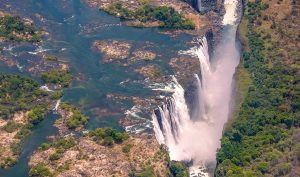
Victoria Falls Activity Safety Zambia: What Travellers Should Know
Understanding Activity Risks at Victoria Falls Victoria Falls activity safety

Is Zambia Safe for Tourists
Understanding Zambia Travel Safety Zambia is one of Africa’s most
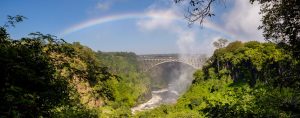
Zambia Travel Safety Guide for International Visitors
Understanding Zambia Travel Safety in a Wilderness Tourism Environment Zambia
Frequently Asked Questions
Is Zambia safe for tourists
Zambia is considered one of Southern Africa’s more stable destinations. Violent crime against tourists is rare. The primary risks relate to road accidents, rural infrastructure limitations, and medical evacuation logistics rather than political instability or terrorism. Structured safari itineraries and verified transport significantly reduce exposure for international visitors.
Is Victoria Falls Zambia safe
The Livingstone and Victoria Falls corridor in Zambia is a structured tourism zone with visible security presence. Petty theft may occur in markets, but serious crime against visitors is uncommon. Most travelers complete visits without incident when using established accommodation and guided activities.
Are Zambia’s roads dangerous
Road accident exposure presents greater probability than violent crime. Long rural distances, limited lighting, and livestock crossings increase collision risk. Daytime travel and vetted transfers reduce exposure significantly. Night driving outside major towns carries elevated accident probability due to infrastructure limitations.
Does Zambia have good hospitals
Lusaka hosts private hospitals capable of trauma stabilization and surgical care. Outside the capital, advanced facilities are limited. Serious medical emergencies in remote safari regions may require evacuation to Lusaka or South Africa. Travel insurance with evacuation coverage is strongly recommended.
Is Zambia politically stable
Zambia operates under a constitutional democracy with peaceful transfers of power in recent years. Protest activity is limited and localized. Tourists are rarely affected. Political instability is not considered a primary safety risk for visitors traveling within established tourism corridors.
What is the biggest safety risk in Zambia
For most visitors, road transport accidents and delayed medical access in remote regions represent the most significant risks. Wildlife exposure is procedural and manageable under ranger supervision. Structured transfers, evacuation planning, and verified accommodation reduce overall risk probability effectively.