
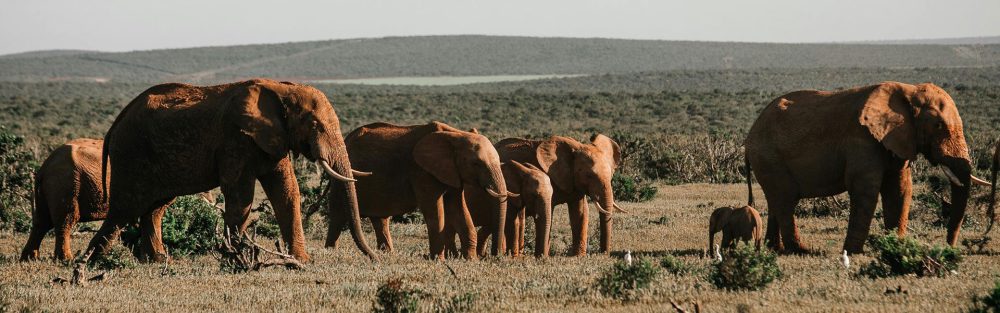
Understanding Red Flags When Booking an African Safari
African safaris continue to grow in popularity for 2026, especially among first time visitors who want structured holidays, authentic wildlife experiences, and safe, reliable operators. But with rising demand comes a higher risk of poorly run operators, misleading online deals, and last minute cancellations from unverified companies. Understanding safari booking red flags 2026 ensures you choose reputable, experienced partners who protect your safety, money, and overall travel experience.
How TravelSafe SOS Strengthens Safari Safety and Booking Confidence
Even with trusted operators, travellers can feel uncertain about remote environments, long drives, wildlife encounters, and limited connectivity. TravelSafe SOS adds an extra layer of confidence by storing your itinerary and monitoring check ins across multiple destinations. If anything goes wrong during your safari, the app can contact you instantly, track your GPS location, and coordinate emergency support across 17 African countries.
Give yourself the assurance of professional safety support by installing TravelSafe SOS on Android https://play.google.com/store/apps/details?id=com.TravelSafeSOS.travelsafe or iPhone https://apps.apple.com/za/app/travelsafe-sos/id6744354615 before you book your safari.

Why Red Flags Matter When Booking Safaris
Safaris often take place in remote regions far from hospitals, police stations, or large towns. A well qualified safari operator manages all the moving parts, from park entry and vehicle maintenance to guides, transfers, accommodation, and emergency procedures. When something seems off during booking, it can indicate deeper operational weaknesses that may compromise your safety or experience later.
Red Flag 1: Prices That Are Too Good to Be True
Safaris are expensive because of park fees, trained guides, vehicle maintenance, conservation levies, and logistics. If a safari package is significantly cheaper than competitors, this may indicate:
- unlicensed guides
- poor vehicle maintenance
- hidden fees added later
- unsafe accommodation
- cancelled game drives
- lack of emergency protocols
Quality safari operators rarely offer unrealistic discounts.

Red Flag 2: No Physical Office or Verifiable Registration
A reputable safari operator will provide:
- a physical address
- registration or licensing information
- branded communication
- traceable management details
Avoid operators who cannot verify their credentials or who operate solely through social media without documentation.
Red Flag 3: Vague Itineraries With No Daily Structure
Safari itineraries require precision. Red flags include:
- missing park names
- no accommodation details
- no transport plan
- unclear activity schedules
- no emergency procedures
Detailed itineraries are the foundation of safe safari planning.

Red Flag 4: Untrained or Unlicensed Guides
Guides should be qualified with recognised certifications. Red flags include:
- no guide profiles shared
- refusal to disclose qualifications
- use of temporary or freelance drivers
Guides influence safety, wildlife encounters, and the overall safari experience.
Red Flag 5: No References or Negative Online Reviews
Search multiple platforms to assess reputation. Red flags include:
- inconsistent reviews
- no reviews at all
- complaints about refunds
- reports of unsafe practices
- vague company information
Reputable safari brands maintain transparent histories online.
Red Flag 6: Poor Communication or Slow Responses
If an operator takes more than 48 to 72 hours to respond, it may indicate understaffing or poor organisation. You need fast responses for:
- weather disruptions
- border issues
- flight delays
- medical queries
Slow communication during booking usually predicts poor communication during emergencies.
Red Flag 7: Unclear or Risky Payment Methods
Avoid operators who request:
- full payment immediately
- direct transfers to personal accounts
- no invoice or receipt
Reputable companies offer secure payment gateways or corporate accounts.
Red Flag 8: No Mention of Safety Procedures
If safety is missing from the discussion, be cautious. Operators should explain:
- emergency contacts
- medical access
- evacuation processes
- wildlife risks
- night time movement rules
Safety silence is a serious red flag.
Red Flag 9: Unrealistic Promises About Wildlife
No operator can guarantee sightings of specific animals. Avoid those promising:
- guaranteed big five sightings
- close encounters on foot
- off road driving in restricted zones
Ethical operators follow park rules.
Red Flag 10: Lack of Insurance and Liability Coverage
All safari companies should have:
- vehicle insurance
- public liability cover
- emergency evacuation partnerships
Ask for written confirmation before paying. Ask them why they don’t provide a travel safety app like TravelSafe SOS as part of their included services

TravelSafe SOS for Complete Safari Confidence
Download TravelSafe SOS on Android https://play.google.com/store/apps/details?id=com.TravelSafeSOS.travelsafe or iPhone https://apps.apple.com/za/app/travelsafe-sos/id6744354615 to strengthen your safety plan across all safari regions, especially where connectivity may drop or remote tracks delay support.
Book Safely and Travel Confidently
Booking the right safari operator protects your safety, investment, and overall experience. Use these red flags to identify reliable partners who prioritise professionalism and guest wellbeing. With TravelSafe SOS providing 24 hour backup and emergency response, you can embark on an unforgettable safari in 2026 with complete peace of mind.


FAQs Red Flags when Booking Safaris
What are the biggest red flags when booking African safaris in 2026?
Major red flags include unclear pricing, no office address, unlicensed guides, vague itineraries, poor communication, and unrealistic promises.
How can I verify if a safari operator is legitimate?
Check registration documents, reviews, physical address, professional affiliations, and the transparency of their communication.
Are cheap safari deals safe in 2026?
Not always. Low prices often indicate hidden costs, lack of safety protocols, poor vehicle quality, or inexperienced guides.
Why do guide qualifications matter?
Qualified guides reduce risk, understand wildlife behaviour, manage emergencies, and enhance the overall safari experience.
What payment methods should I avoid?
Avoid personal transfers or payments without official invoices. Use secure corporate accounts or recognised payment portals.
What safety procedures should safari operators provide?
They should supply emergency contacts, evacuation plans, wildlife safety guidelines, and lodge communication procedures.
Can TravelSafe SOS help if my safari operator is unreliable?
Yes. The app provides independent emergency support, GPS tracking, situation monitoring, and alerts for operators and insurers.