
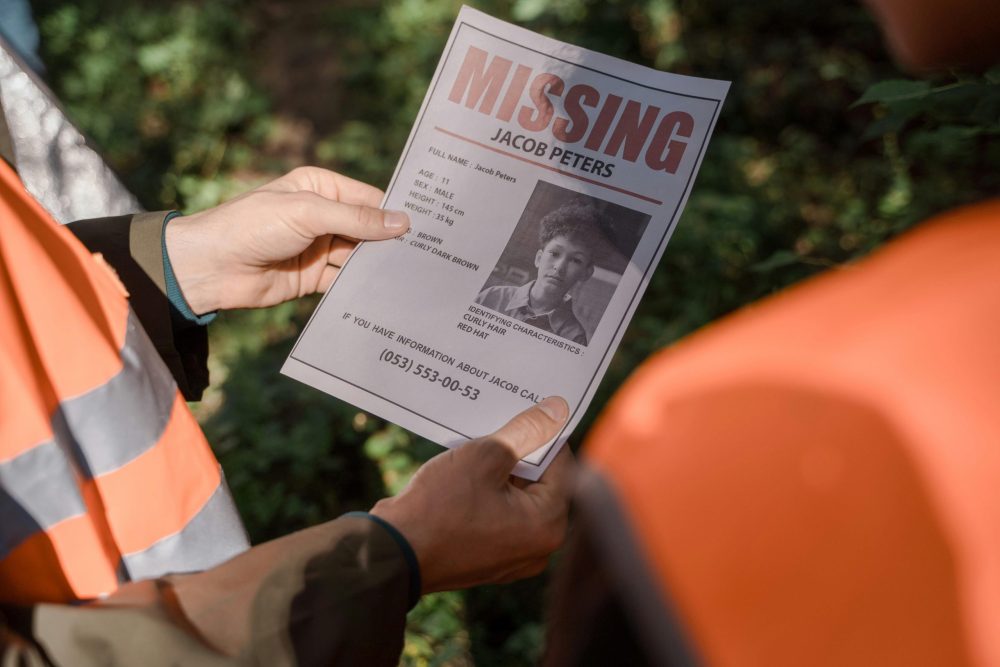
Missing Person Africa Travel 2026: Complete Guide
This updated Missing Person Africa Travel 2026 guide explains what to do the moment someone goes missing – how to use the TravelSafe SOS app to coordinate an emergency alert, how to involve police and embassies, how to engage national parks and tour operators, and how to keep the situation structured. Acting early, calmly, and with clear steps increases the chance of a positive outcome.
A missing person situation is one of the most distressing experiences a traveler can face. Whether you are on safari, hiking a mountain trail, diving along the coast, or exploring a city, the disappearance of a friend, family member, or fellow traveler requires immediate, structured action. Delays caused by weak mobile networks, remote landscapes, unfamiliar procedures, or language barriers can slow the response. In Africa, where distances are large and terrain varies dramatically, the first hour is often the most important. Acting early is essential for managing any disappearance under Missing Person Africa Travel 2026 protocols.

How TravelSafe SOS Helps During Missing Person Emergencies
The TravelSafe SOS app is the first tool every traveler should use when someone goes missing. With one tap, your alert reaches the 24 hour control center. Trained responders will:
• Record the missing person report
• Capture the last known GPS location if available
• Advise on next steps including police notification
• Contact lodges, guides, operators, or partners in the area
• Notify emergency contacts and travel insurers
• Open a live case log to track all actions taken
If the missing person also uses the app, their profile and last recorded geolocation can help establish a starting point for the search. The control center can escalate through trusted contacts and provide guidance in areas where infrastructure or support is limited. TravelSafe SOS is designed to support travellers facing emergencies covered under Missing Person Africa Travel 2026 guidelines.
How to Assess a Missing Person Situation Quickly
Before assuming the worst, calmly evaluate what you know. Ask the following:
• When and where were they last seen or heard from
• Were they expected to return at a certain time
• Were they exploring alone or with a group
• Is it possible they have no mobile reception
• Were they sick, stressed, or behaving unusually
Check the person’s itinerary, lodge records, vehicle logs, and activity bookings. Miscommunication can sometimes mimic disappearance. However, if you sense something is wrong, act immediately.
How to Report a Missing Person to Police in Africa
In most African countries you do not need to wait 24 hours to report a missing person. Go directly to the nearest police station and open a formal case.
Provide:
• Full name and age
• Passport details
• Date, time, and exact location last seen
• Description of clothing and equipment
• Medical conditions or mental health concerns
• A recent photo
• Contact details for next of kin
You will receive a case number. Ask to speak with detectives or Search and Rescue teams where available. Keep names, badge numbers, and copies of all statements. In rural stations you may need to be patient, respectful, and persistent.
The TravelSafe SOS control center can help guide your communication with police and provide contact details for stations in the relevant area.
Why You Must Notify Embassies in Missing Person Cases
If the missing person is a foreign national, contact their embassy or high commission immediately after filing a police report. While embassies do not conduct physical searches, they can:
• Liaise with law enforcement
• Contact next of kin overseas
• Assist with translation or local coordination
• Escalate serious cases to senior officials
• Provide guidance on legal procedures
• Support communication between agencies
Embassy involvement is a major component of the Missing Person Africa Travel 2026 framework. The TravelSafe SOS app will also assist by locating your nearest embassy at the click of a button.

How Lodges and Tour Operators Assist in Missing Person Searches
Tour operators and lodge staff often hold the most reliable, up to date information about guest movements. These teams are usually the first to recognise unusual activity.
Speak to:
• Front desk managers
• Drivers or game rangers
• Boat captains or dive leaders
• Housekeeping teams
• Local guides or trackers
Request them to check:
• CCTV footage if available
• Gate logs and movement registers
• Activity rosters and tour manifests
• Room access records
• Radio communication updates
The TravelSafe SOS team can also contact lodges on your behalf and request assistance through their local networks.
Who to Contact in National Parks During a Search
If the disappearance occurred inside a national park, hiking route, or conservation area, contact the relevant authority immediately. They may have trained trackers, drones, wildlife rangers, or established search protocols.
Key bodies to contact in various countries include:
- SANParks (South Africa): For Kruger, Addo, and Table Mountain
- ZAWA (Zambia): For South Luangwa or Lower Zambezi
- KWS (Kenya Wildlife Service): For Masai Mara, Amboseli
- UWA (Uganda Wildlife Authority): For Bwindi or Queen Elizabeth
- TANAPA (Tanzania National Parks): For Serengeti, Ngorongoro
- ANAC (Mozambique): For Gorongosa,.Bazaruto, Maputo or Zinave
- ZimParks (Zimbabwe): For Hwange, Matobo or Mana Pools
- Namibia’s MET: For Etosha, Sossusvlei, Waterberg or Caprivi
- DWNP (Botswana Department of Wildlife and National Parks): For Okavango Delta, Khwai, Savuti and Chobe
- MNP (Madagascar National Parks): For Andasibe and Mantadia National Park · Tsingy de Bermaraha · Amber Mountain Reserve · Masoala National Park · Isalo National Park
- RDB (Rwanda Development Board): For Volcanoes National Park · Akagera National Park · Nyungwe National Park · Gishwati Mukura National Park.
They may have trained tracking teams, drones, or search protocols already in place. Provide time of entry, route taken, photos, and any known GPS devices carried. BUT, you may not have too much success – so don’t be surprised. The best option is to contact the lodge you are staying in, and they will use their local contacts in the National Park and the authorities they know.
How to Check Digital Footprints and GPS for Missing Travelers
If you have access to the missing person’s phone or laptop, check for:
• Recent messages or calls
• GPS pins or navigation history
• WhatsApp communication
• Social media check ins
• Hotel Wi Fi logs
• Transport apps like Uber or Bolt
• Photo timestamps and locations
Even small details can help broaden or narrow search areas.
If the missing person had the TravelSafe SOS app installed, the control center can review recently shared locations when available.
How Local Communities Can Help in a Missing Person Search
Local communities often play an important role in remote areas. Reach out to:
• Villagers or local leaders
• Boat operators
• Market traders
• Taxi drivers and moto operators
• Expat WhatsApp groups
• Hiking clubs or fishing groups
Share a clear photo, last known location, and police case number. Community coordination often provides the first reliable lead in rural regions.
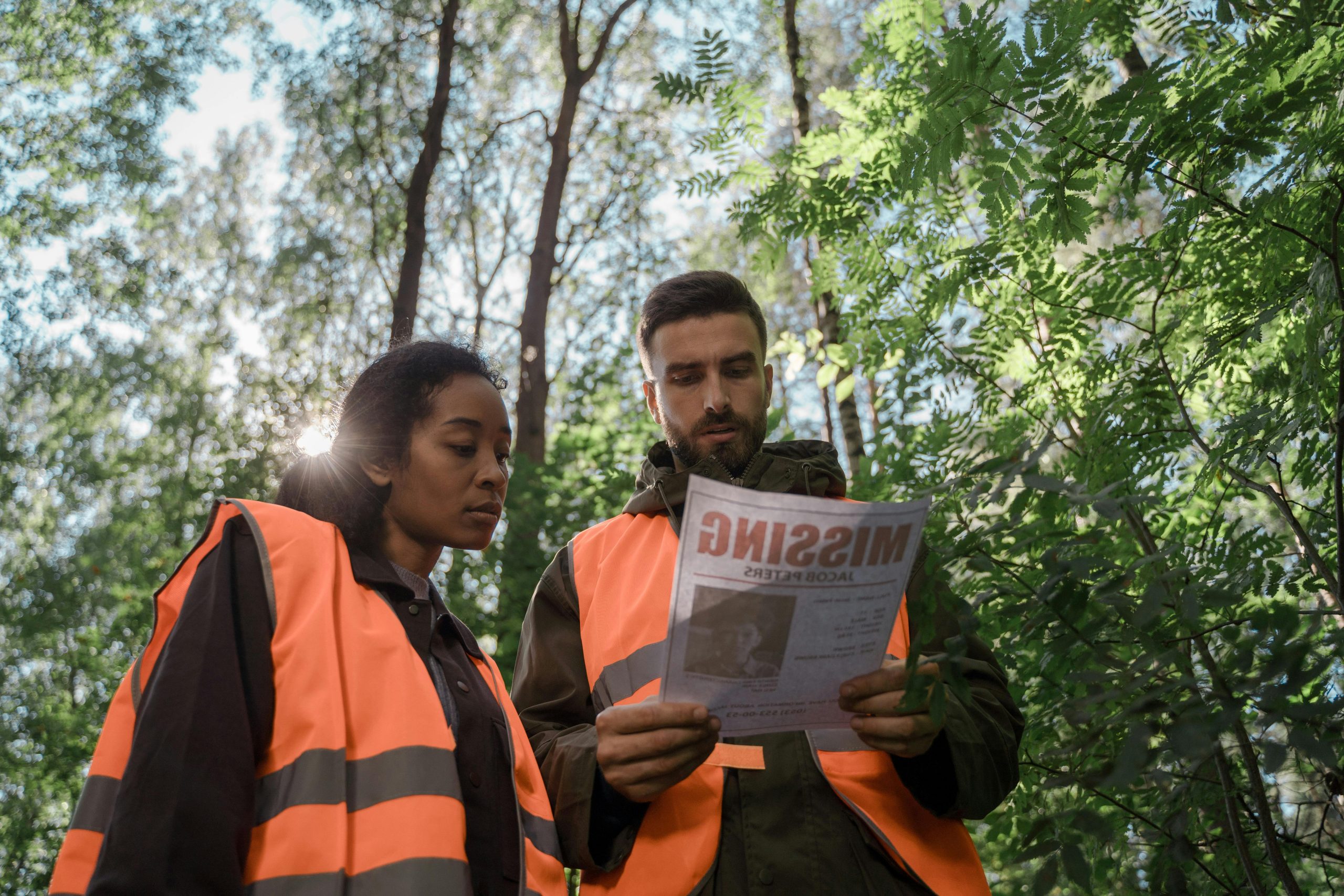
Why Documentation and Timelines Matter in Missing Person Cases
In the midst of chaos, documentation is key. Keep track of:
- Police report and case number
- Embassy communication logs
- Names and contacts of lodge staff or rangers
- Date and time of all confirmed sightings
- Screenshots of app notifications or calls made
- TravelSafe SOS control center transcripts (if applicable)
Having this information available ensures a coordinated, multi-agency effort—especially if international support becomes necessary.
TravelSafe SOS Limitations and Capabilities in Missing Person Cases
TravelSafe SOS provides essential emergency coordination but is not a rescue organisation or law enforcement body. The app can:
• Log missing person alerts
• Notify insurers, family, and agents
• Contact local partners or lodges
• Help communicate with police
• Share last known GPS data if available
• Provide guidance throughout the process
However, it cannot:
• File police reports
• Conduct physical searches
• Override local authorities
• Issue public alerts
It is a powerful tool for rapid coordination, especially when you are unsure where to begin. With preparation and the right tools, you can navigate Missing Person Africa Travel 2026 situations with structure and calm.
Missing Person Africa Travel 2026 Preparedness
When someone goes missing in Africa, speed and structure are vital. Use the TravelSafe SOS app to launch an immediate alert, contact police and embassies, involve guides and national parks, and document every step. A calm, coordinated response can significantly improve the outcome.
Don’t wait until something goes wrong. With one tap, connect to a 24/7 control center, notify embassies and insurers, and receive real-time support in the event of a missing person, medical emergency, or security risk. The app bridges communication gaps and ensures help is coordinated—even in remote areas. Make TravelSafe SOS your silent travel partner. Prepare smart. Travel safe. Respond fast.